

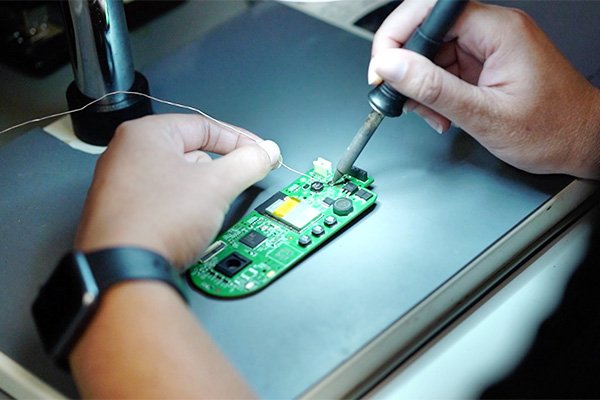
Bringing a new electronic device to market involves more than just design and prototyping. One of the most critical phases is field testing, where products are evaluated in real-world environments to uncover issues that may not appear in the lab. This electronic product field testing guide offers a practical overview of how to plan, execute, and analyze field tests to ensure your device is robust, reliable, and ready for launch.
Field testing bridges the gap between controlled laboratory conditions and the unpredictable nature of actual usage. By simulating real-world scenarios, teams can identify performance gaps, safety concerns, and usability issues before mass production. This process not only helps reduce costly recalls but also builds confidence in your product’s quality and durability.
For those seeking a comprehensive approach to integrating field testing with other development stages, the electronic product design system integration guide provides valuable insights into aligning hardware, software, and testing workflows.
Why Field Testing Is Essential for Electronics
Lab-based evaluations can only go so far. Real-world conditions introduce variables such as temperature fluctuations, humidity, electromagnetic interference, and user behavior that are difficult to replicate in a controlled environment. Field testing helps teams:
- Validate product performance in diverse and unpredictable settings.
- Identify hardware or software issues that may not surface during bench testing.
- Gather feedback from actual users to improve usability and design.
- Ensure compliance with regulatory and safety standards.
- Reduce the risk of post-launch failures and warranty claims.
Planning a Successful Field Test
Preparation is key to effective field validation. Before deploying prototypes, consider the following steps:
- Define clear objectives: Determine what you want to learn—performance, durability, user experience, or regulatory compliance.
- Select representative environments: Choose locations and conditions that reflect your target market’s realities.
- Recruit suitable testers: Engage users who match your product’s intended audience, whether they are consumers, technicians, or industrial operators.
- Develop test protocols: Create structured procedures for testers to follow, ensuring consistency and reliable data collection.
- Establish data collection methods: Decide how you’ll gather feedback—manual logs, automated sensors, or remote monitoring.
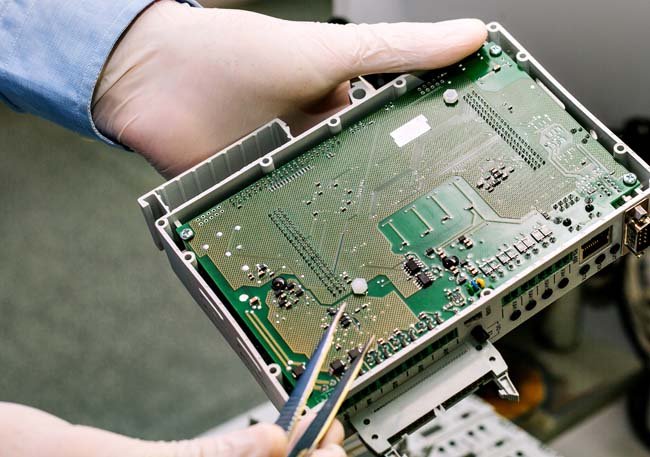
Key Elements of an Effective Electronic Product Field Testing Guide
Any robust field evaluation process should include several core elements. A well-structured electronic product field testing guide will typically address:
- Test Plan Documentation: Outline the scope, objectives, and procedures for each phase of testing.
- Environmental Stress Testing: Assess how the device performs under temperature extremes, moisture, dust, and vibration.
- Functional Verification: Confirm that all features and interfaces operate as intended in real-world scenarios.
- Safety and Compliance Checks: Ensure the product meets relevant standards and regulations for its market.
- User Experience Evaluation: Collect feedback on usability, ergonomics, and overall satisfaction.
- Issue Tracking and Reporting: Implement a system for logging defects, anomalies, and tester observations.
For a deeper dive into documentation best practices, refer to the electronic product design documentation workflow article, which covers how to maintain clear records throughout the development lifecycle.
Executing Field Tests: Best Practices
Once planning is complete, the execution phase begins. Here are some best practices to maximize the value of your field tests:
- Deploy multiple prototypes: Testing several units increases the likelihood of uncovering rare or intermittent issues.
- Monitor remotely when possible: Use IoT connectivity or data loggers to track device performance in real time.
- Communicate regularly with testers: Provide clear instructions and maintain open channels for questions or feedback.
- Document everything: Encourage testers to record observations, malfunctions, and environmental conditions.
- Schedule periodic reviews: Analyze interim results and adjust test protocols as needed.

Analyzing Results and Iterating Design
After collecting data from the field, thorough analysis is essential. Look for patterns in failures, performance drops, or user complaints. Prioritize issues based on severity and frequency, then feed these insights back into your design and engineering teams for resolution.
Iterative testing—where improvements are made and the product is re-tested—helps ensure that all major issues are addressed before launch. This cycle may repeat several times, especially for complex or safety-critical devices.
For those interested in how performance testing fits into the broader development process, the electronic product design performance testing guide provides a detailed look at benchmarking and stress testing techniques.
Integrating Field Testing with Reliability and Safety
Field testing is closely linked with reliability engineering and safety validation. By simulating real-world usage, teams can proactively address potential failure modes and ensure the device meets industry standards. For a comparison of safety standards and reliability engineering basics, explore the electronic product design safety standards comparison and electronic product design reliability engineering basics guides.
Collaborating with experienced partners can also streamline the process. Companies specializing in electronic product design and engineering services can provide valuable expertise in test planning, execution, and analysis.
Common Challenges in Field Testing
Even with careful planning, teams may encounter obstacles such as:
- Uncontrolled variables: Weather, user error, and environmental factors can introduce noise into your data.
- Limited sample sizes: Small numbers of prototypes or testers may not reveal all possible issues.
- Data overload: Managing large volumes of feedback and sensor data requires robust systems and clear processes.
- Logistics: Coordinating shipping, support, and communication across multiple sites can be complex.
Addressing these challenges requires flexibility, strong communication, and a willingness to iterate on both product and process.
FAQ
What is the main goal of field testing for electronic products?
The primary goal is to evaluate how a device performs in real-world conditions, uncovering issues that may not appear during lab testing. This helps ensure reliability, safety, and user satisfaction before full-scale production.
How long should field testing last?
The duration depends on the product’s complexity and intended use. Some tests may last a few weeks, while others—especially for mission-critical or outdoor devices—can extend for several months to capture seasonal or long-term effects.
What types of data should be collected during field testing?
Teams should gather both quantitative data (such as error rates, battery life, and environmental conditions) and qualitative feedback (user impressions, ease of use, and suggestions for improvement). Combining both types of data provides a comprehensive view of product performance.
Conclusion
Effective field validation is a cornerstone of successful product development in the electronics industry. By following a structured approach—planning carefully, executing thoroughly, and analyzing results—you can minimize risk, enhance product quality, and deliver devices that meet user expectations. Integrating field testing with other development and documentation processes ensures a smoother path from prototype to market-ready product.
