

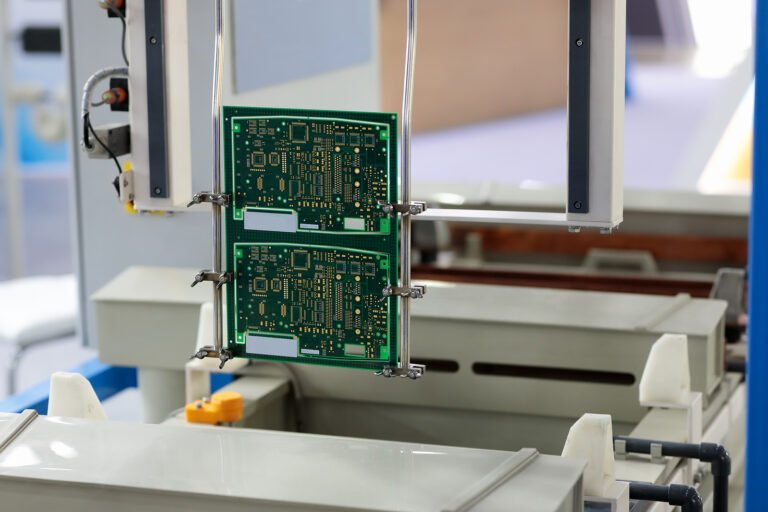
Creating dependable electronics requires more than just innovative features and sleek design. At the heart of every successful device is a disciplined approach to electronic product design reliability engineering basics. This discipline ensures that products consistently perform as intended, withstand real-world stresses, and meet user expectations for quality and longevity.
Whether you’re developing consumer gadgets, industrial controllers, or medical devices, understanding the essentials of reliability engineering is crucial. This article explores the foundational principles, practical strategies, and industry best practices that underpin robust electronic product development. For those interested in how reliability fits into the broader development process, the electronic product design system integration guide offers additional insights into seamless integration and workflow optimization.
Understanding Reliability in Electronic Product Design
Reliability in electronics refers to the probability that a product will perform its intended function without failure over a specified period and under defined conditions. It’s a measure of both quality and durability, and it’s rooted in the application of electronic product design reliability engineering basics throughout the development lifecycle.
Key reliability goals include:
- Minimizing failures during normal operation
- Ensuring consistent performance in varying environments
- Reducing maintenance and warranty costs
- Enhancing customer satisfaction and brand reputation
Core Principles of Reliability Engineering
Applying reliability engineering to electronic product development involves several core principles:
- Design for Reliability (DfR): Integrating reliability considerations from the earliest design stages to anticipate and mitigate potential failure modes.
- Failure Mode and Effects Analysis (FMEA): Systematically identifying possible points of failure and their impact on the overall system.
- Accelerated Life Testing: Exposing prototypes to extreme conditions to reveal weaknesses before mass production.
- Root Cause Analysis: Investigating failures to determine their underlying causes and prevent recurrence.
For a deeper dive into structured documentation and workflow, the electronic product design documentation workflow article provides practical guidance on managing design records and traceability.
Key Factors Influencing Product Reliability
Several factors can significantly impact the reliability of electronic products. Addressing these during the design and development stages is essential:
- Component Selection: Choosing high-quality, proven components reduces the risk of early-life failures.
- Thermal Management: Effective heat dissipation prevents overheating, which is a leading cause of electronic failure.
- Mechanical Design: Robust enclosures and mounting strategies protect sensitive electronics from vibration, shock, and environmental hazards.
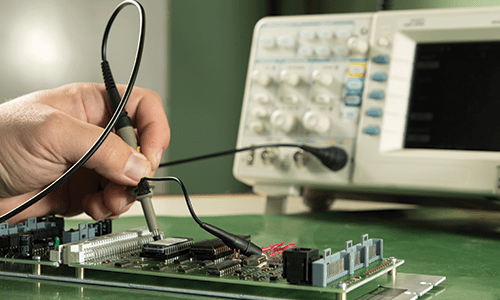
- PCB Layout: Careful printed circuit board design minimizes electrical noise, improves signal integrity, and reduces susceptibility to environmental stress.
- Manufacturing Process Control: Consistent assembly and quality control procedures ensure that reliability is maintained from prototype to production.
Testing and Validation for Reliable Electronics
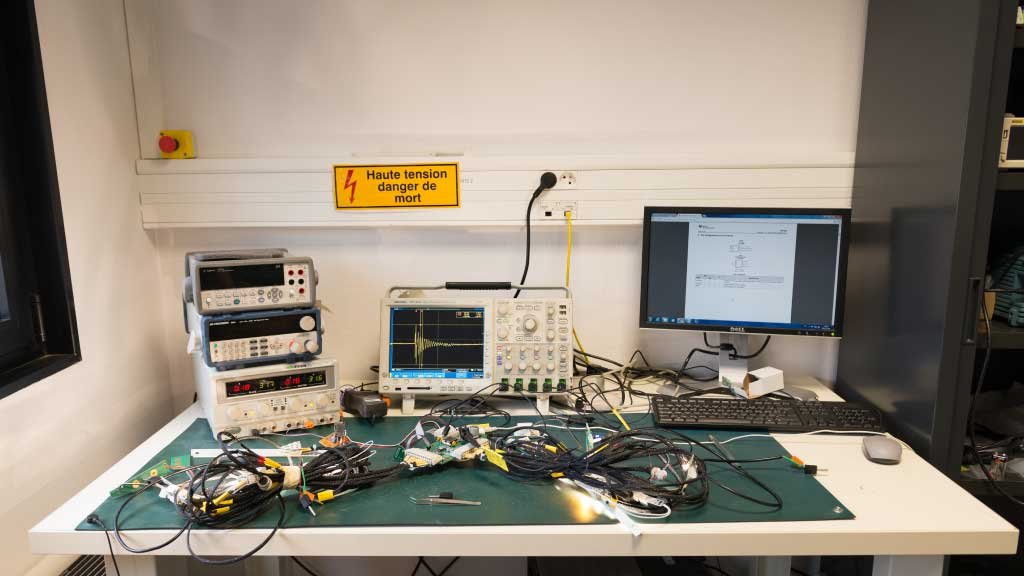
Testing is a cornerstone of electronic product design reliability engineering basics. Comprehensive validation helps uncover latent defects and confirms that the product meets its reliability targets. Common approaches include:
- Environmental Stress Testing: Simulates real-world conditions such as temperature extremes, humidity, and vibration. For more details, see the electronic product design environmental testing guide.
- Burn-In Testing: Operates devices at elevated stress levels to detect early-life failures before shipment.
- Performance Testing: Measures product function under normal and extreme conditions. The electronic product design performance testing guide offers further insights into this process.
- Compliance Testing: Ensures products meet relevant safety and regulatory standards, as discussed in the electronic product design safety standards comparison.
Testing should be planned early and executed throughout the development cycle, not just at the end.
Best Practices for Achieving High Reliability
To maximize reliability, engineering teams should adopt these best practices:
- Early and Continuous Reliability Analysis: Address reliability from concept through production, not as an afterthought.
- Cross-Functional Collaboration: Involve design, manufacturing, quality, and field support teams to identify and resolve reliability risks.
- Use of Industry Standards: Follow recognized standards such as IPC, IEC, and MIL-STD for design and testing.
- Supplier Quality Management: Work closely with suppliers to ensure component reliability and traceability.
- Feedback Loops: Use field data and warranty returns to drive continuous improvement in future designs.
For a comprehensive overview of how these practices fit into the broader development process, the electronic product design and development process overview provides valuable context and case studies.
Integrating Reliability into the Product Lifecycle
Reliability engineering is not a one-time activity. It should be integrated into every phase of the product lifecycle:
- Concept and Feasibility: Define reliability goals based on customer needs and market expectations.
- Design and Development: Apply FMEA, simulation, and design reviews to identify and address risks.
- Prototyping and Testing: Validate assumptions through rigorous testing and refine the design as needed.
- Production: Implement process controls and quality checks to maintain consistency.
- Field Support: Monitor product performance and use feedback for continuous improvement.
Common Challenges and How to Overcome Them
Even with a strong focus on electronic product design reliability engineering basics, teams may encounter challenges such as:
- Balancing Cost and Reliability: Higher reliability often increases costs. Use risk analysis to prioritize investments where they matter most.
- Rapid Technology Changes: New technologies can introduce unknown failure modes. Stay updated on industry trends and emerging risks.
- Supply Chain Variability: Component shortages or substitutions can impact reliability. Qualify multiple suppliers and maintain strict quality standards.
- Time-to-Market Pressure: Rushed schedules can lead to shortcuts. Build reliability activities into the project plan from the start.
FAQ: Reliability Engineering in Electronic Product Development
What is the difference between reliability and quality in electronics?
Quality refers to how well a product meets its specifications at the time of manufacture, while reliability measures how consistently it performs over time and under various conditions. Both are essential, but reliability focuses on long-term performance and durability.
How early should reliability engineering be considered in a project?
Reliability should be addressed from the very beginning—during concept and feasibility. Early identification of potential failure modes allows for cost-effective mitigation and reduces the risk of late-stage surprises.
Are there industry standards for electronic product reliability?
Yes, several standards guide reliability engineering in electronics, including IPC standards for PCB design, IEC standards for safety and environmental testing, and MIL-STD for military and aerospace applications. Adhering to these standards helps ensure consistent, high-quality results.
