

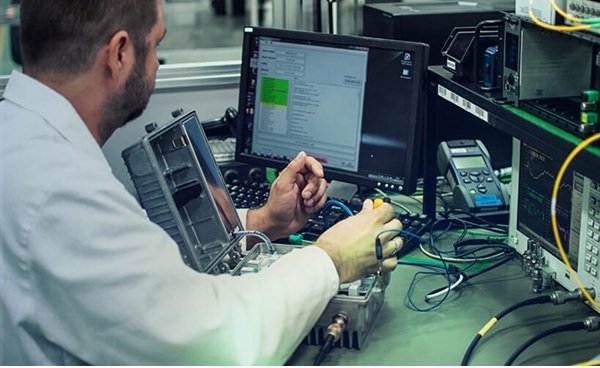
Ensuring that electronic devices perform reliably and safely is a critical part of the product development lifecycle. Effective performance evaluation not only validates a design but also helps identify potential issues before products reach the market. This electronic product design performance testing guide offers a comprehensive overview of the essential steps, methods, and best practices for evaluating the functionality, durability, and compliance of electronic devices.
Whether you are developing consumer electronics, industrial controls, or embedded systems, understanding the nuances of performance verification is vital. For a deeper understanding of the entire development journey, you may also find the electronic product design process steps resource helpful for context on how testing fits into the broader workflow.
Understanding the Role of Performance Testing in Electronics
Performance testing is a systematic process that measures how well an electronic device operates under expected and extreme conditions. It is not limited to verifying basic functionality; it also assesses parameters such as speed, accuracy, power consumption, and resilience to environmental factors. By integrating robust evaluation early in the electronic product design performance testing guide process, teams can minimize costly redesigns and ensure products meet both user expectations and regulatory standards.
The scope of performance testing varies depending on the application. For example, consumer electronics may prioritize battery life and user interface responsiveness, while industrial products often focus on reliability and electromagnetic compatibility.
Key Stages in Electronic Device Evaluation
A thorough approach to performance assessment typically follows several stages. Each phase is designed to uncover specific types of issues and validate different aspects of the design.
- Requirements Analysis: Define clear, measurable performance criteria based on user needs, regulatory requirements, and intended operating environments.
- Test Planning: Develop a structured plan outlining test objectives, methodologies, equipment, and success thresholds.
- Prototype Testing: Evaluate early prototypes to identify design flaws and gather data for refinement.
- Pre-Compliance Testing: Assess the product against relevant standards before formal certification, reducing the risk of costly failures later.
- Final Validation: Conduct comprehensive tests on production-ready units to ensure consistency and reliability.

Essential Types of Performance Testing for Electronics
Different products require different evaluation methods, but several core test types are widely applicable in the electronic product design performance testing guide context:
- Functional Testing: Confirms that the device performs its intended functions correctly under normal and abnormal conditions.
- Stress and Endurance Testing: Subjects the product to extreme operating conditions (temperature, voltage, humidity) to reveal weaknesses and ensure long-term durability.
- Power Consumption Analysis: Measures current draw and energy efficiency, which is especially important for battery-powered devices.
- Electromagnetic Compatibility (EMC) Testing: Ensures the device does not emit or succumb to excessive electromagnetic interference, a key requirement for regulatory compliance.
- Environmental Testing: Simulates real-world conditions such as vibration, shock, and exposure to dust or moisture to verify robustness.
- Software and Firmware Validation: Checks that embedded software operates reliably and interacts correctly with hardware components.
For a more detailed breakdown of the prototyping and validation process, consider reviewing the electronic prototyping process guide.
Best Practices for Effective Performance Verification
To maximize the value of your testing efforts, consider these proven strategies:
- Start Early: Integrate performance evaluation from the initial design phase to catch issues before they escalate.
- Automate Where Possible: Automated test setups can increase repeatability, reduce human error, and speed up the process.
- Document Everything: Maintain detailed records of test procedures, results, and any deviations. This documentation is invaluable for troubleshooting and certification.
- Iterate and Refine: Use test results to inform design improvements, then re-test to verify enhancements.
- Collaborate Across Disciplines: Involve hardware, firmware, and compliance experts to ensure comprehensive coverage.
Common Challenges in Electronic Product Testing
Even with a solid plan, teams may encounter obstacles during the evaluation process. Some frequent challenges include:
- Ambiguous Requirements: Vague or incomplete performance criteria can lead to inadequate testing and missed defects.
- Resource Constraints: Limited access to specialized equipment or expertise can hinder thorough evaluation.
- Time Pressures: Tight deadlines may tempt teams to cut corners, increasing the risk of field failures.
- Rapid Technology Changes: Emerging technologies and evolving standards require teams to stay updated and adapt their methodologies.
Addressing these issues requires clear communication, ongoing training, and a commitment to continuous improvement. For organizations seeking professional support, exploring embedded systems product design services explained can provide valuable insights into specialized assistance.
Compliance and Certification Considerations
Regulatory compliance is a non-negotiable aspect of bringing electronics to market. Standards such as CE, FCC, and RoHS dictate specific performance and safety requirements. Early engagement with compliance experts can streamline the path to certification and reduce costly delays.
For those interested in a deeper dive into the regulatory landscape and design strategies, the comprehensive overview of electronics design standards is a valuable resource.
Integrating Testing Into the Product Lifecycle
Performance evaluation should not be viewed as a one-time event, but as an integral part of the entire product development lifecycle. By embedding testing at every stage—from concept to production—teams can ensure that devices consistently meet quality and reliability targets.
Additionally, leveraging the benefits of electronic product design services can help organizations access specialized expertise and advanced testing infrastructure.
FAQ: Electronic Device Performance Testing
What are the most important performance tests for new electronic devices?
The most critical tests typically include functional verification, stress and endurance evaluation, power consumption analysis, and electromagnetic compatibility checks. The specific tests depend on the device’s intended use and regulatory requirements.
How early should testing be integrated into the design process?
It is best to start performance assessment as early as possible, ideally during the prototype phase. Early testing helps identify and resolve issues before they become costly or delay the project.
How can teams ensure compliance with international standards?
Teams should familiarize themselves with relevant standards from the outset, incorporate compliance checks into their test plans, and consult with regulatory experts as needed. Pre-compliance testing can help catch issues before formal certification.
