


A well-structured electronic product design documentation workflow is essential for transforming innovative ideas into reliable, manufacturable products. This process not only ensures that every design decision is traceable and reproducible, but also streamlines collaboration among engineers, designers, and stakeholders. By following a systematic approach to documentation, teams can minimize costly errors, accelerate time to market, and support compliance with industry standards.
Whether you are developing a consumer gadget, industrial controller, or IoT device, maintaining clear and comprehensive records at every stage is critical. In this guide, we’ll break down the key phases of documentation, highlight best practices, and provide practical insights for optimizing your workflow. For those interested in related topics, you may also want to explore our electronic product design performance testing guide for deeper insights into validation and testing processes.
Why Documentation Matters in Electronics Development
The importance of documentation in electronics design cannot be overstated. It serves as the backbone of communication between multidisciplinary teams, manufacturing partners, and regulatory bodies. Without a robust documentation process, projects risk delays, miscommunication, and non-compliance with industry requirements.
A comprehensive documentation workflow helps to:
- Preserve design intent and rationale for future reference or iterations
- Facilitate collaboration among hardware, firmware, and mechanical teams
- Support regulatory submissions and certifications
- Enable efficient troubleshooting and maintenance post-launch
For a broader overview of the product development process, consider reading this comprehensive guide to electronic product design.
Core Stages of the Documentation Process
A typical electronic product design documentation workflow can be divided into several key stages. Each phase requires specific types of records and deliverables to ensure clarity and traceability.
1. Requirements Capture and Specification
The foundation of any successful electronics project lies in clear, detailed requirements. This stage involves gathering input from stakeholders, defining functional and non-functional needs, and documenting constraints such as cost, size, and regulatory standards.
- Product requirements document (PRD)
- System block diagrams
- Initial risk assessments
Early documentation at this stage helps prevent scope creep and sets measurable goals for the design team.
2. Conceptual and Architectural Design
Once requirements are established, the focus shifts to high-level architecture. This includes selecting core components, defining interfaces, and outlining the product’s structure.
- System architecture diagrams
- Preliminary bill of materials (BOM)
- Interface control documents (ICDs)
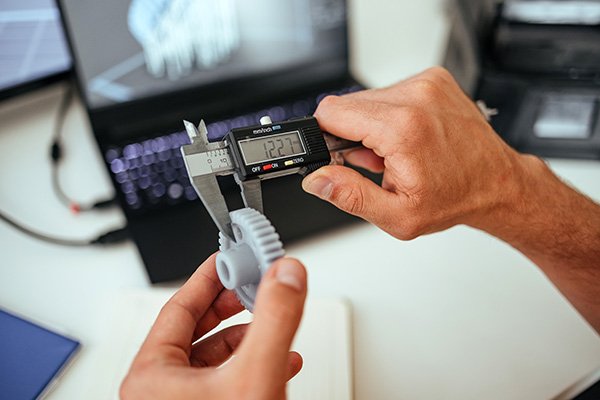
Documenting these elements ensures that all team members share a common understanding of the product’s intended operation and integration points.
3. Detailed Design and Engineering Documentation
This stage involves creating the technical documents needed for manufacturing and assembly. It is often the most documentation-intensive phase.
- Schematics and PCB layout files
- Firmware/software design documents
- Mechanical drawings and 3D models
- Updated BOM with part numbers and suppliers
Version control is critical here to track changes and maintain consistency across design revisions.
4. Prototyping and Testing Records
As prototypes are built and tested, it’s essential to capture results, issues, and modifications. This documentation supports iterative development and helps validate the design against requirements.
- Test plans and procedures
- Test reports and failure analyses
- Design review meeting notes
For further reading on validation, see our electronic product design usability testing guide.
5. Production and Manufacturing Documentation
Transitioning from prototype to mass production requires detailed, unambiguous instructions for manufacturing partners. This includes:
- Assembly drawings and instructions
- Manufacturing process flowcharts
- Quality control checklists
- Packaging and labeling specifications
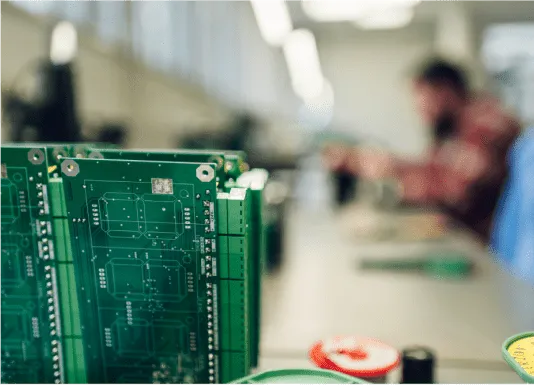
Accurate production documentation reduces the risk of errors and ensures consistent product quality.
6. Compliance and Regulatory Submissions
Many electronic products must meet specific regulatory standards, such as CE, FCC, or RoHS. Preparing for certification involves compiling technical files, test results, and declarations of conformity.
- Compliance matrices
- Test certificates
- Declarations and regulatory forms
Proper documentation at this stage is crucial for legal market entry and ongoing product support.
Best Practices for Managing Documentation
To maximize efficiency and maintain quality, consider these best practices for your electronic product design documentation workflow:
- Use centralized document management systems to store and control access to files
- Implement version control for all design documents and source files
- Standardize templates for specifications, drawings, and reports
- Schedule regular design reviews and update documentation accordingly
- Train team members on documentation protocols and tools
Adopting these strategies helps reduce duplication, prevent miscommunication, and support future product iterations or audits.
Integrating Documentation with Related Workflows
A holistic approach to documentation means integrating it with related processes such as testing, localization, and lifecycle management. For example, aligning your documentation with electronic product design for global markets ensures that regional requirements and language adaptations are addressed early. Similarly, linking with electronic product localization considerations can streamline international launches.
Lifecycle cost analysis is another area where documentation plays a key role. By maintaining detailed records of materials, processes, and changes, teams can more accurately assess costs over the product’s lifespan. For more on this, see our electronic product lifecycle cost analysis guide.
Frequently Asked Questions
What are the essential documents in electronics design projects?
Key documents include requirements specifications, system architecture diagrams, schematics, PCB layouts, BOMs, test plans, manufacturing instructions, and compliance files. Each serves a specific purpose in guiding design, production, and support.
How does documentation support regulatory compliance?
Proper documentation provides evidence that a product meets relevant standards and regulations. This includes test reports, declarations of conformity, and technical files required by certifying bodies. Without these, market approval can be delayed or denied.
What tools are recommended for managing design documentation?
Popular tools include product lifecycle management (PLM) systems, version control platforms (such as Git), and cloud-based document repositories. Standardizing on a set of tools and templates helps ensure consistency and traceability across teams.
Conclusion
A robust electronic product design documentation workflow is vital for delivering high-quality, compliant, and manufacturable products. By following a structured process, leveraging best practices, and integrating documentation with related workflows, teams can reduce risk, improve collaboration, and accelerate innovation in the electronics industry.
