

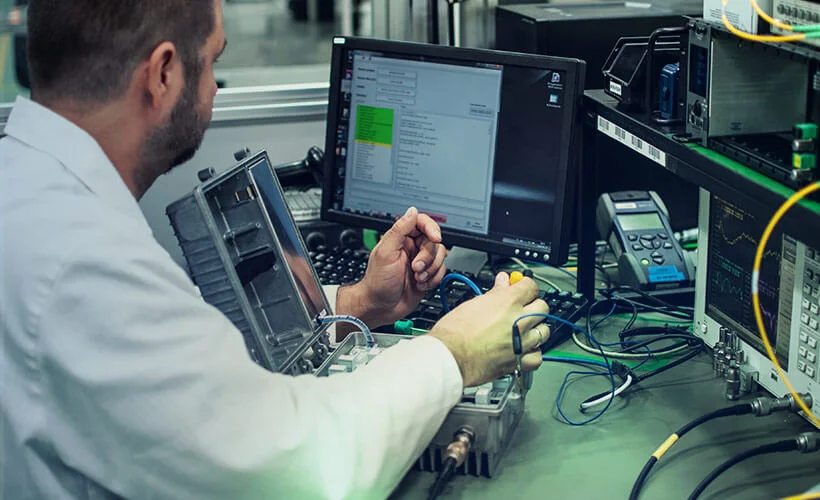
Understanding what drives the cost of developing an electronic product is essential for businesses, startups, and innovators. The process involves a blend of engineering, prototyping, compliance, and manufacturing considerations. Each step introduces unique variables that can impact the overall budget and timeline. This article provides a detailed look at the main elements that influence expenses in electronic product development, helping you make informed decisions and avoid unexpected overruns.
Whether you are planning a new consumer gadget or an industrial device, knowing the key contributors to the total investment can help you optimize your design and streamline your path to market. For those seeking a deeper dive into related topics, the electronic product lifecycle cost analysis guide offers valuable insights on managing costs throughout a product’s lifespan.
Key Elements That Influence Electronic Product Development Costs
Several core factors shape the total budget for designing and launching an electronic device. These range from the complexity of the concept to the choice of materials, compliance requirements, and the scale of production. Let’s break down the most significant contributors to help clarify where resources are allocated.
1. Product Complexity and Feature Set
The more advanced your product’s features, the higher the development costs. Devices with wireless connectivity, advanced sensors, or custom user interfaces require additional engineering hours and specialized expertise. Simple products with basic functionality are generally less expensive to design and prototype. However, even small changes in the feature set can have a ripple effect on the overall cost structure.
2. Prototyping and Iteration
Building and refining prototypes is a critical phase in electronic product design. Each iteration helps identify and resolve technical challenges, but also adds to the budget. The number of prototypes needed depends on the product’s complexity and the thoroughness of initial design work. Rapid prototyping tools and 3D printing can reduce costs, but multiple rounds of testing and refinement are often necessary to achieve a reliable and manufacturable design.
Material Selection and Component Sourcing
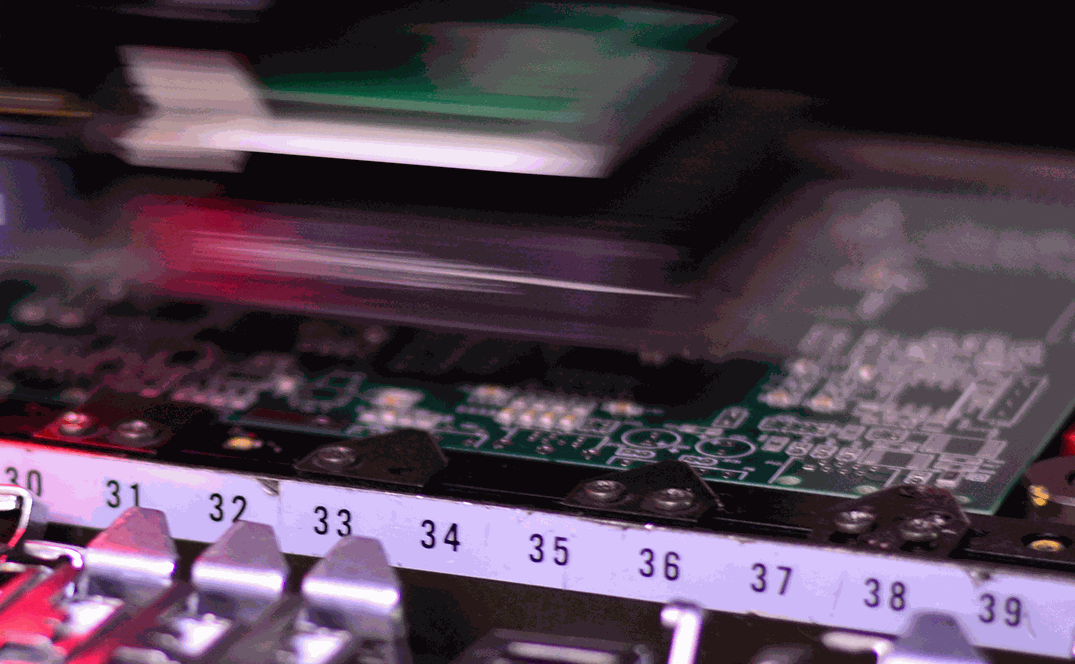
Choosing the right materials and electronic components is fundamental to both performance and cost. High-quality or specialized parts can drive up expenses, while off-the-shelf solutions may offer cost savings but limit customization. The global supply chain for electronic components is also subject to price fluctuations, lead times, and availability issues, all of which can impact your project’s budget and schedule.
For a deeper understanding of how material choices affect design and cost, the electronic product design pcb material selection resource provides practical guidance on selecting the best substrates and components for your application.
Design for Manufacturability (DFM)
Designing with manufacturing in mind is crucial for controlling costs. Complex assemblies, tight tolerances, or the need for specialized manufacturing processes can increase production expenses. Early collaboration with manufacturing partners and applying DFM principles can help identify potential cost drivers and streamline the transition from prototype to mass production.
Compliance, Testing, and Certification Expenses
Meeting regulatory standards is a non-negotiable aspect of bringing an electronic product to market. Compliance requirements vary by region and product type, but often include safety, electromagnetic compatibility (EMC), and environmental standards such as RoHS or REACH. Testing and certification can be significant cost items, especially for products targeting multiple international markets.
It’s important to budget for both pre-compliance testing and final certification. Early testing can uncover issues before they become expensive to fix, while final certification is necessary for legal sale and distribution. For more information on this process, the electronic product design performance testing guide outlines best practices for ensuring your device meets all necessary standards.

Development Team and Engineering Expertise
The skills and experience of your engineering team are directly linked to project costs. Highly specialized tasks, such as RF design, embedded firmware development, or advanced mechanical integration, may require outside consultants or dedicated experts. The size and structure of your team—whether in-house, outsourced, or a hybrid approach—will also influence the budget.
Partnering with experienced design and engineering firms can help control costs and reduce risk. For example, working with a company that offers comprehensive design and engineering services can streamline the process and minimize costly mistakes.
Mechanical and Industrial Design Considerations
Beyond the electronics, the mechanical design—including enclosures, connectors, and user interfaces—adds another layer of complexity and cost. Industrial design impacts not only aesthetics but also manufacturability, durability, and user experience. Early collaboration between electrical and mechanical engineers can help identify cost-saving opportunities and avoid expensive redesigns later in the process. For more on this topic, see the electronic product mechanical integration guide.
Production Volume and Scaling
The number of units you plan to produce has a significant impact on per-unit costs. Low-volume production often incurs higher costs due to setup fees, tooling, and less favorable component pricing. As volumes increase, economies of scale can reduce the cost per unit, but may require higher upfront investment in tooling and inventory. Balancing initial production runs with anticipated demand is key to optimizing your budget and minimizing financial risk.
Localization and Market-Specific Adjustments
Adapting your product for different markets—such as changing power supplies, languages, or compliance marks—can introduce additional costs. Planning for localization early in the design process can help avoid expensive modifications later. For further reading, the electronic product localization considerations guide covers strategies for efficiently adapting products for global markets.
Summary Table: Major Cost Drivers in Electronic Product Design
| Cost Driver | Impact on Budget | Optimization Tips |
|---|---|---|
| Product Complexity | High | Prioritize essential features, avoid scope creep |
| Prototyping | Moderate to High | Use rapid prototyping, plan for multiple iterations |
| Component Sourcing | Variable | Select reliable suppliers, consider alternatives |
| Compliance & Testing | High | Budget for early and final testing, research requirements |
| Team Expertise | Moderate | Leverage experienced partners, outsource specialized tasks |
| Production Volume | Variable | Plan for scaling, negotiate with manufacturers |
| Localization | Low to Moderate | Design for flexibility, plan for market-specific needs |
Frequently Asked Questions
What is the biggest factor affecting the cost of electronic product development?
The most significant factor is typically the complexity of the product. Advanced features, custom hardware, and sophisticated software require more engineering time and specialized skills, which increase both development time and expenses.
How can I reduce costs during the design phase?
To control costs, focus on essential features, use off-the-shelf components where possible, and apply design for manufacturability principles. Early collaboration with manufacturing and compliance experts can also help avoid costly redesigns or certification failures.
Do compliance and certification always add significant expenses?
Yes, compliance and certification are necessary for legal sale and safety assurance, and they often represent a substantial portion of the budget. Planning for these requirements early, conducting pre-compliance testing, and working with experienced partners can help manage these costs effectively.
