

Selecting the right materials for printed circuit boards (PCBs) is a critical step in electronic product design pcb material selection. The choice of substrate, copper thickness, and other board materials directly affects the performance, reliability, and cost of your final product. Whether you’re developing consumer electronics, industrial devices, or IoT solutions, understanding the factors that influence PCB material selection helps ensure your design meets both technical and commercial requirements.
This article provides a practical overview of how to approach material choices for PCBs in electronic product development. For a deeper dive into the overall development workflow, you may also find the electronic prototyping process guide useful as a companion resource.
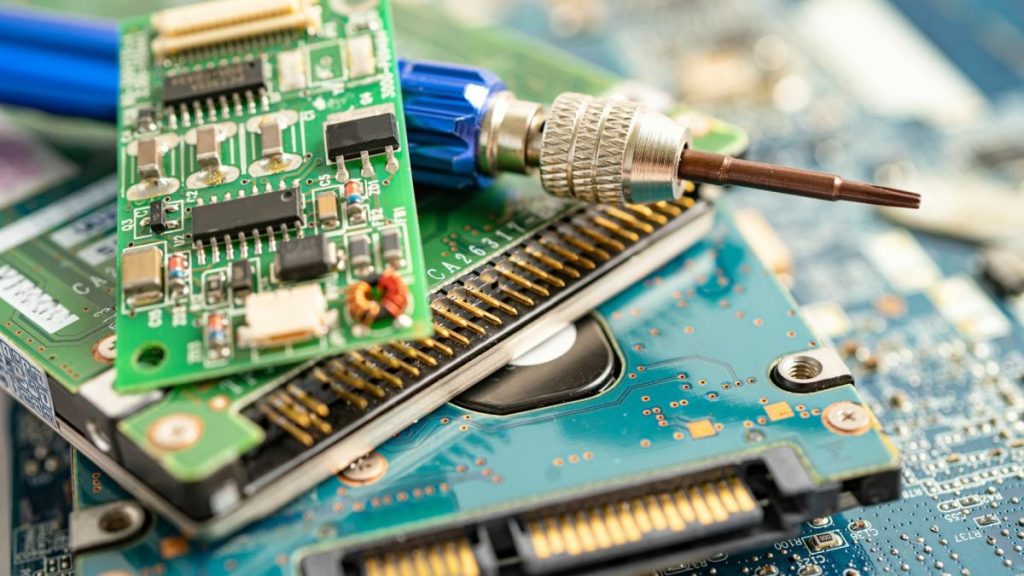
Why PCB Material Selection Matters in Electronic Product Design
The foundation of any electronic device is its PCB. The materials chosen impact everything from signal integrity and thermal management to manufacturability and long-term durability. Inadequate or inappropriate material choices can lead to issues such as signal loss, warping, or even product failure in the field.
As product requirements become more demanding—think high-speed data, miniaturization, or harsh environments—the importance of careful electronic product design pcb material selection grows. Balancing electrical, mechanical, and cost considerations is essential for a successful outcome.
Key Factors Influencing PCB Substrate Choices
The substrate forms the core layer of a PCB, providing mechanical support and electrical insulation. Here are the main factors to consider when choosing a substrate for your project:
- Electrical Performance: The dielectric constant (Dk) and dissipation factor (Df) of the substrate affect signal speed and loss. High-frequency designs may require specialized materials with low Dk and Df.
- Thermal Properties: Materials with higher glass transition temperature (Tg) and thermal conductivity are important for power electronics or applications exposed to high temperatures.
- Mechanical Strength: Flexural strength and dimensional stability are crucial for boards that will experience mechanical stress or vibration.
- Cost and Availability: While advanced materials offer better performance, they often come at a higher price. Balance your technical needs with your budget and supply chain realities.
- Environmental Compliance: Ensure materials meet RoHS, REACH, and other regulatory standards for your target markets.
Common PCB Materials Used in Modern Electronics
The most widely used PCB substrate is FR-4, a glass-reinforced epoxy laminate. However, as applications diversify, so do material options. Here’s a breakdown of popular choices:
| Material | Key Properties | Typical Applications |
|---|---|---|
| FR-4 | Good electrical/mechanical balance, affordable, Tg ~130–180°C | Consumer electronics, general-purpose boards |
| High-Tg FR-4 | Higher temperature resistance, improved reliability | Automotive, industrial, power supplies |
| Polyimide | Excellent thermal stability, flexible options | Flexible circuits, aerospace, military |
| Ceramic | Superior thermal conductivity, high-frequency performance | RF/microwave, LED modules, high-power devices |
| Rogers (Hydrocarbon/Ceramic) | Low Dk/Df, stable over frequency/temperature | High-speed digital, RF, telecommunications |
How to Evaluate PCB Material Options for Your Project
To make an informed decision, start by defining your product’s requirements. Consider the following steps as part of your electronic product design pcb material selection process:
- List Electrical and Mechanical Needs: Document voltage, current, frequency, and environmental factors.
- Consult with Fabricators: Early collaboration with PCB manufacturers can reveal material limitations, lead times, and cost drivers.
- Prototype and Test: Build prototypes using candidate materials and evaluate performance under real-world conditions.
- Review Compliance: Confirm all materials meet required certifications and environmental standards.
- Optimize for Scale: As you move from prototype to production, revisit material choices to ensure they remain cost-effective and available in volume.
For more on the broader design process, the electronic product design process steps article outlines key stages from concept to manufacturing.
Advanced Considerations for Specialized Applications
As electronic products become more sophisticated, certain applications demand advanced materials:
- High-Speed Digital: For fast data rates, materials with low loss and tight Dk control (like Rogers or PTFE-based laminates) are preferred.
- RF and Microwave: Low-loss, stable substrates are essential to minimize signal attenuation and phase distortion.
- Power Electronics: Boards carrying high current or dissipating significant heat benefit from thick copper and substrates with high thermal conductivity.
- Flexible and Rigid-Flex Circuits: Polyimide and other flexible materials enable compact, lightweight designs for wearables and medical devices.
For companies seeking to optimize their development process, reviewing tips for successful electronic product development can provide valuable insights into best practices and material considerations.
Balancing Cost, Performance, and Manufacturability
The ideal PCB material balances technical performance with cost and ease of manufacturing. Over-specifying materials can inflate costs, while under-specifying may lead to failures or recalls. Work closely with your engineering and procurement teams to evaluate trade-offs.
Early engagement with manufacturing partners ensures your chosen materials are compatible with their processes and available at your required scale. This collaborative approach reduces redesigns, shortens time-to-market, and helps avoid costly surprises.
Frequently Asked Questions
What is the most common PCB material for consumer electronics?
FR-4, a glass-reinforced epoxy laminate, is the most widely used material for general-purpose and consumer electronic devices due to its balance of performance, cost, and availability.
How do I choose the right PCB material for high-frequency applications?
For high-frequency or RF designs, select substrates with low dielectric constant (Dk) and low dissipation factor (Df), such as Rogers or ceramic-based materials. These minimize signal loss and maintain signal integrity at higher speeds.
Are there environmental regulations I need to consider when selecting PCB materials?
Yes, ensure all materials comply with relevant standards such as RoHS (Restriction of Hazardous Substances) and REACH. These regulations restrict the use of certain hazardous substances and are mandatory for many global markets.
Can I use the same PCB material for prototypes and mass production?
While it’s possible, it’s important to verify that the material used in prototyping is available and cost-effective for large-scale manufacturing. Sometimes, adjustments are needed to optimize for volume production.
Conclusion
Thoughtful electronic product design pcb material selection is essential for building reliable, high-performance, and cost-effective devices. By understanding your application’s requirements and collaborating with manufacturing partners, you can make informed decisions that support both technical success and business goals.
For further reading on related topics, consider exploring the embedded systems product design services explained article for insights into integrating hardware and software in modern electronics.
