

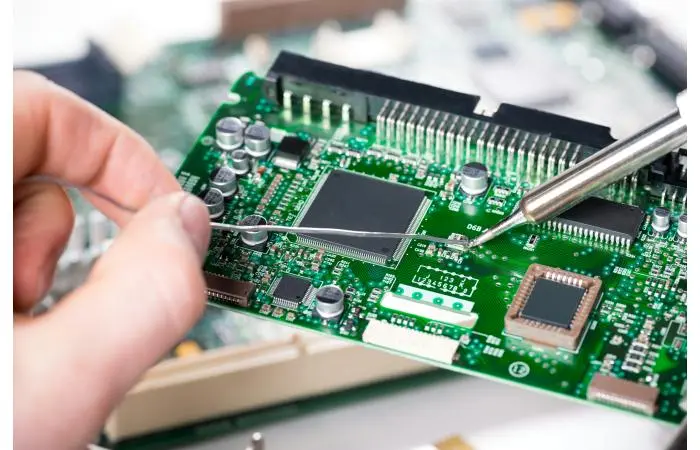
Developing a successful electronic device requires more than just a clever circuit or a sleek enclosure. The process of mechanical integration brings together electronic components, mechanical parts, and enclosure design to create a product that is functional, reliable, and manufacturable. This comprehensive guide explores the essential steps, best practices, and practical considerations for achieving seamless integration between electronics and mechanical systems.
Whether you are designing consumer gadgets, industrial controls, or IoT devices, understanding the interplay between mechanical and electronic domains is crucial. By following a structured approach, teams can avoid common pitfalls, reduce development time, and deliver products that meet user expectations and regulatory requirements.
For a deeper understanding of how prototyping fits into the overall development cycle, refer to our electronic prototyping process guide.
Understanding the Role of Mechanical Integration in Electronics
At its core, mechanical integration is about ensuring that all physical elements of an electronic device—PCBs, connectors, batteries, displays, and enclosures—work together harmoniously. This process involves careful planning, cross-disciplinary collaboration, and attention to both technical and user-centric details.
- Functionality: The mechanical design must support the intended operation of the electronics, including heat dissipation, electromagnetic shielding, and access to controls or ports.
- Durability: Proper integration protects sensitive components from shock, vibration, moisture, and dust.
- Manufacturability: Design choices should facilitate efficient assembly, testing, and maintenance.
- User Experience: Ergonomics, aesthetics, and tactile feedback all contribute to the perceived quality of the final product.
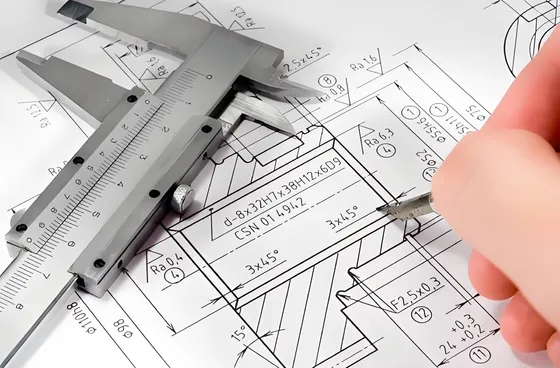
Key Steps in Mechanical and Electronic Integration
A structured approach is essential for successful integration. The following steps outline the typical workflow for combining electronic and mechanical elements in product development:
1. Requirements Gathering and Specification
Begin by defining the product’s functional, environmental, and regulatory requirements. Consider aspects such as size constraints, power supply, thermal management, ingress protection (IP) ratings, and user interface needs. Early alignment between electrical and mechanical teams helps avoid costly redesigns later.
2. Conceptual Design and Architecture
Develop initial concepts that address both the electronic circuitry and the physical layout. This includes selecting appropriate materials, determining component placement, and sketching enclosure shapes. Tools like 3D CAD and electronic design automation (EDA) software facilitate rapid iteration and visualization.
3. Detailed Design and Simulation
Once the concept is approved, create detailed models of the PCB, enclosure, and all mechanical fixtures. Simulate thermal performance, mechanical stresses, and assembly processes. This stage may involve close collaboration with suppliers to ensure component compatibility and manufacturability.
4. Prototyping and Testing
Build physical prototypes to validate the integration of electronics and mechanics. Test for fit, function, and compliance with standards. Iterative prototyping helps identify issues such as interference, misalignment, or inadequate cooling before moving to mass production.
5. Design for Manufacturing (DFM) and Assembly (DFA)
Optimize the design to simplify manufacturing and assembly. This may include reducing the number of parts, standardizing fasteners, and ensuring that tolerances are achievable with available processes. Proper DFM/DFA practices lower costs and improve product reliability.
Best Practices for Seamless Integration
Achieving a robust and efficient integration between electronics and mechanics requires attention to several best practices:
- Early Collaboration: Encourage regular communication between electrical, mechanical, and industrial design teams from the outset.
- Iterative Prototyping: Use rapid prototyping techniques such as 3D printing and CNC machining to test ideas quickly and cost-effectively.
- Thermal Management: Incorporate heat sinks, ventilation, or thermal pads as needed to prevent overheating of sensitive components.
- EMI/EMC Considerations: Design enclosures and PCB layouts to minimize electromagnetic interference and comply with regulatory standards.
- Material Selection: Choose materials that balance strength, weight, cost, and environmental resistance.
- Documentation: Maintain clear and up-to-date documentation to streamline handoffs between design, engineering, and manufacturing teams.
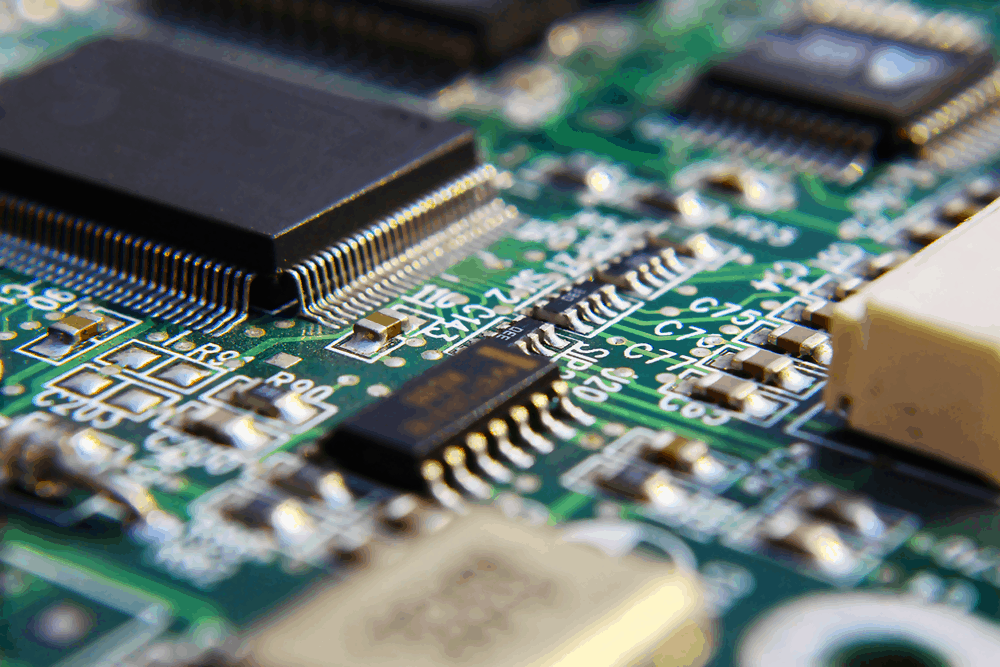
Common Challenges and How to Address Them
Integrating electronics and mechanical systems is rarely straightforward. Some typical challenges include:
- Space Constraints: Miniaturization can lead to tight tolerances and difficult assembly. Early 3D modeling and mockups help identify potential issues.
- Thermal Issues: High-power components may require additional cooling solutions. Simulate heat flow and test prototypes under real-world conditions.
- Interference and Signal Integrity: Poor layout or shielding can result in EMI problems. Collaborate closely on PCB and enclosure design to mitigate risks.
- Assembly Complexity: Designs with too many unique parts or fasteners increase the risk of errors. Simplify wherever possible and use modular subassemblies.
- Regulatory Compliance: Products must meet safety and EMC standards. Engage with testing labs early to ensure all requirements are addressed.
Cost Considerations in Mechanical-Electronic Integration
Balancing performance, reliability, and cost is a key aspect of product development. Factors influencing cost include:
- Material Choices: Premium materials may improve durability but increase expenses.
- Manufacturing Processes: Complex shapes or tight tolerances may require specialized (and costly) tooling.
- Testing and Certification: Compliance testing adds to the budget but is essential for market access.
- Design Iterations: Multiple rounds of prototyping and redesign can escalate costs if not managed efficiently.
For a detailed breakdown of service rates and budgeting tips, see this comprehensive analysis of electronic product design costs.
Integrating Mechanical and Electronic Design Services
Many organizations choose to partner with specialized service providers to streamline the integration process. Outsourcing can bring expertise in areas such as thermal analysis, enclosure design, and regulatory compliance. For further insights into the advantages of professional support, explore our article on benefits of electronic product design services.
Frequently Asked Questions
What is the most important factor in successful mechanical-electronic integration?
Early and continuous collaboration between mechanical and electronic design teams is vital. This ensures that all requirements are considered from the start, reducing the risk of costly changes later in the process.
How can I minimize thermal issues in my device?
Use thermal simulation tools during the design phase, select appropriate heat-dissipating materials, and incorporate features like heat sinks or ventilation slots. Prototyping and real-world testing are essential to validate thermal performance.
Why is documentation so important in the integration process?
Clear documentation ensures that all stakeholders—designers, engineers, manufacturers—are aligned. It helps prevent miscommunication, streamlines troubleshooting, and supports future product updates or maintenance.
Where can I learn more about the step-by-step process of electronic product development?
For a detailed overview of the entire development workflow, including both electronic and mechanical aspects, visit our electronic product design process steps resource.
