

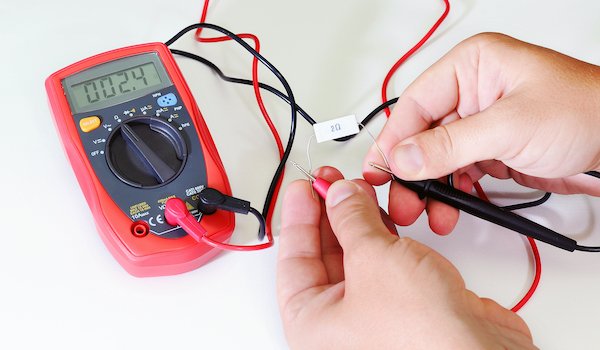
Ensuring that electronic products meet international standards is a critical step for manufacturers aiming to access global markets and build consumer trust. Product compliance electronics ISO testing serves as the backbone of this process, providing a structured approach to verifying that devices are safe, reliable, and compatible with regulatory requirements. Navigating the landscape of ISO standards can be complex, but understanding the essentials is vital for anyone involved in electronics design, manufacturing, or quality assurance.
In this article, we’ll explore the main ISO standards relevant to electronics, outline the benefits of compliance, and provide practical guidance for implementing effective testing strategies. For those seeking deeper insights into quality assurance frameworks, the electronics quality control ISO framework offers a comprehensive look at building robust quality systems.
Understanding ISO Standards in Electronics Compliance
International Organization for Standardization (ISO) standards are globally recognized benchmarks that define requirements for safety, performance, and quality in electronic devices. Adhering to these standards is not just about meeting legal obligations—it’s about ensuring products are fit for purpose and minimizing risks for end users.
Some of the most relevant ISO standards for electronics include:
- ISO 9001: Focuses on quality management systems, ensuring consistent product quality and continual improvement.
- ISO 17025: Specifies requirements for the competence of testing and calibration laboratories, crucial for reliable test results.
- ISO 14001: Addresses environmental management, helping manufacturers minimize their ecological footprint.
- ISO 45001: Relates to occupational health and safety, ensuring safe working conditions during production and testing.
- ISO/IEC 17050: Covers supplier’s declaration of conformity, supporting self-declaration processes for product compliance.
Compliance with these standards demonstrates a commitment to quality, safety, and environmental responsibility, which can be a significant differentiator in competitive markets.

Key Steps in Product Compliance Electronics ISO Testing
Implementing a robust product compliance electronics ISO testing program involves several critical steps. Each phase is designed to ensure that products not only meet regulatory requirements but also perform reliably in real-world conditions.
-
Requirements Analysis
Begin by identifying all applicable ISO standards and regulatory requirements for your product and target markets. This step often involves reviewing directives, such as CE marking in Europe or FCC regulations in the United States, alongside ISO guidelines.
-
Test Planning
Develop a detailed test plan that outlines the specific tests to be performed, acceptance criteria, and required documentation. Consider leveraging functional testing electronics ISO guidelines to structure your approach and ensure all critical functions are evaluated.
-
Laboratory Testing
Conduct tests in accredited laboratories that comply with ISO 17025. Typical tests include electrical safety, electromagnetic compatibility (EMC), environmental stress, and performance verification. Accurate record-keeping and traceability are essential for demonstrating compliance.
-
Documentation and Reporting
Compile comprehensive test reports, declarations of conformity, and technical files. These documents are often required for regulatory submissions and market access.
-
Ongoing Monitoring and Auditing
Maintain compliance through regular audits, product surveillance, and continuous improvement initiatives. This proactive approach helps identify potential issues before they impact product quality or safety.
Benefits of ISO-Based Compliance Testing for Electronics
Adopting ISO-based compliance testing offers numerous advantages for electronics manufacturers and their customers. Some of the most significant benefits include:
- Market Access: Meeting ISO and regulatory standards is often a prerequisite for selling products in many countries.
- Risk Reduction: Systematic testing minimizes the likelihood of product failures, recalls, or safety incidents.
- Brand Reputation: Demonstrating compliance builds trust with consumers, partners, and regulators.
- Operational Efficiency: Standardized processes streamline testing, reduce errors, and support faster time-to-market.
- Continuous Improvement: ISO frameworks encourage ongoing evaluation and enhancement of quality systems.
For more on how durability and stress testing fit into this framework, see the electronics durability testing ISO methods article, which explores advanced procedures for robust product validation.

Common Challenges in Electronics Compliance and How to Overcome Them
While the benefits of ISO-based testing are clear, manufacturers often encounter challenges along the way. Some of the most common obstacles include:
-
Complex Regulatory Landscape
Global markets have varying requirements, making it difficult to keep up with changes. Staying informed through resources like electronics and telecommunications certification guidance can help teams remain compliant.
-
Resource Constraints
Testing can be time-consuming and costly, especially for small and medium-sized enterprises. Prioritizing critical tests and leveraging third-party laboratories can optimize resources.
-
Documentation Gaps
Incomplete or inconsistent records can delay certification or market entry. Implementing standardized documentation practices ensures traceability and simplifies audits.
-
Rapid Technological Change
Emerging technologies may not be fully addressed by existing standards. Engaging with industry groups and monitoring updates from ISO committees helps manufacturers stay ahead of the curve.
For a deeper dive into safety considerations, the electronics safety testing standards explained resource provides practical advice for managing evolving risks.
Integrating ISO Testing into Product Development
Embedding product compliance electronics ISO testing early in the product development lifecycle can yield significant advantages. Rather than treating compliance as a final hurdle, proactive integration ensures that design, engineering, and quality teams work together from the outset.
Key practices for successful integration include:
- Design for Compliance: Incorporate regulatory and ISO requirements into product specifications and design reviews.
- Cross-Functional Collaboration: Foster communication between engineering, quality, and regulatory teams to identify and address compliance issues early.
- Iterative Testing: Conduct preliminary tests during development to catch issues before final validation.
- Supplier Management: Ensure that component suppliers also adhere to relevant standards and provide necessary documentation.
For guidance on optimizing performance validation, refer to the electronics performance testing ISO guidelines, which outline best practices for comprehensive product assessment.
FAQ: Electronics Product Compliance and ISO Testing
What is the purpose of ISO testing in electronics compliance?
The main goal is to verify that electronic products meet international standards for safety, quality, and performance. This process helps manufacturers demonstrate regulatory compliance, reduce risks, and ensure customer satisfaction.
How do I determine which ISO standards apply to my electronic product?
Start by identifying the intended markets and reviewing both local regulations and international ISO standards relevant to your product type. Consulting with compliance experts or certification bodies can help clarify specific requirements.
Can ISO testing be performed in-house, or must it be outsourced?
Some tests can be conducted internally if your facility meets the necessary accreditation (such as ISO 17025). However, many manufacturers use third-party laboratories to ensure impartiality and access specialized equipment.
How often should compliance testing be repeated?
Testing frequency depends on product updates, regulatory changes, and quality system requirements. Regular audits and surveillance testing are recommended to maintain ongoing compliance.
