


Ensuring the safety and reliability of electronic products is a top priority for manufacturers worldwide. Navigating the complex landscape of compliance can be challenging, especially with evolving regulations and global market demands. Understanding the essentials of electronics safety testing standards explained is crucial for companies aiming to deliver safe, high-quality products while maintaining market access and consumer trust.
This article provides a practical overview of the key safety standards, testing protocols, and certification processes that electronic manufacturers need to know. We’ll also highlight the importance of documentation, laboratory accreditation, and the benefits of ISO compliance for your business.
For manufacturers seeking a deeper dive into the protocols and certifications that underpin product reliability, our resource on reliability testing electronics ISO requirements offers detailed guidance on best practices and regulatory expectations.
Why Electronics Safety Standards Matter
Adhering to recognized safety standards is not just about legal compliance—it’s about protecting users, reducing liability, and building a reputation for quality. Regulatory bodies worldwide require that electronic devices undergo rigorous safety assessments to minimize risks such as electric shock, fire, and electromagnetic interference. These standards also facilitate international trade by harmonizing requirements across different regions.
For manufacturers, compliance with these protocols often determines whether a product can be sold in specific markets. Failure to meet requirements can result in costly recalls, fines, or bans. That’s why understanding the framework of electronics safety testing standards explained is essential for every stage of product development.
Overview of Major Safety Standards and Regulations
Several international and regional standards govern the safety of electronic products. The most widely recognized frameworks include:
- IEC 61010: Safety requirements for electrical equipment for measurement, control, and laboratory use.
- IEC 60950/62368: Standards for information technology and audio/video equipment safety.
- UL (Underwriters Laboratories): North American safety standards for a wide range of electronic devices.
- EN Standards: European Norms that align with EU directives such as the Low Voltage Directive (LVD) and EMC Directive.
- RoHS and REACH: Regulations restricting hazardous substances and ensuring chemical safety in electronics.
Each of these standards outlines specific requirements for design, construction, labeling, and testing. Manufacturers must identify which standards apply to their products based on type, intended use, and target market.
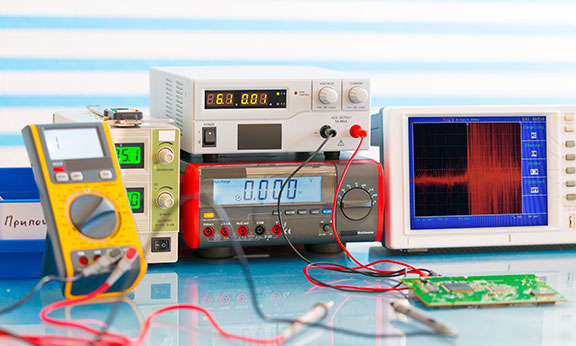
Core Elements of Electronics Safety Testing
Testing protocols are designed to evaluate a product’s safety under normal and fault conditions. Key aspects of these assessments include:
- Electrical Safety: Verifying insulation, grounding, and protection against electric shock.
- Fire Hazard Assessment: Ensuring components and enclosures resist ignition and contain potential fires.
- Mechanical Safety: Checking for sharp edges, moving parts, and structural integrity.
- EMC (Electromagnetic Compatibility): Confirming that devices do not emit or are not susceptible to harmful electromagnetic interference.
- Environmental Testing: Assessing performance under temperature, humidity, vibration, and other environmental stresses.
These tests are typically conducted in accredited laboratories using standardized procedures. The results form the basis for certification and market approval.
Understanding the Certification Process
Certification demonstrates that a product meets relevant safety standards and is fit for sale in designated markets. The process generally involves:
- Product Evaluation: Reviewing technical documentation, schematics, and materials.
- Laboratory Testing: Performing safety and EMC tests according to applicable standards.
- Factory Inspection: Auditing manufacturing processes to ensure ongoing compliance.
- Issuance of Certificate: Granting approval marks (such as CE, UL, or CB) for compliant products.
Maintaining certification often requires periodic audits and retesting, especially when making design changes or introducing new components. For more on the documentation side, see our article on ISO documentation requirements electronics testing.
ISO Standards and Their Role in Electronics Testing
ISO (International Organization for Standardization) standards provide a global framework for quality and safety management. For electronics manufacturers, ISO 9001 (quality management) and ISO/IEC 17025 (testing laboratory competence) are particularly relevant.
Certification to these standards demonstrates a commitment to consistent quality, traceability, and continuous improvement. It also streamlines the process of meeting regulatory requirements in multiple markets. For a comprehensive overview of the steps and requirements, refer to our ISO testing laboratory accreditation guide.
ISO compliance can also enhance your company’s reputation and open doors to new business opportunities. To understand the broader impact, explore the ISO certification benefits for electronics manufacturers in today’s competitive landscape.

Best Practices for Navigating Compliance and Testing
Successfully managing the requirements of electronics safety testing standards explained involves more than just passing a few tests. Here are some best practices for manufacturers:
- Engage Early: Involve compliance experts and testing labs at the design stage to avoid costly redesigns.
- Maintain Thorough Documentation: Keep detailed records of materials, processes, and test results to support certification and audits.
- Choose Accredited Laboratories: Work with labs that hold recognized accreditations, ensuring the validity of your test reports.
- Stay Informed: Monitor updates to standards and regulations that may affect your products or markets.
- Train Your Team: Provide ongoing training on compliance, safety, and quality management to all relevant staff.
For insights into the audit process and what to expect during laboratory inspections, our article on the ISO audit process electronics testing labs is a valuable resource.
Global Market Access and the Value of Certification
Achieving compliance with recognized safety standards is often a prerequisite for entering international markets. Certification marks like CE (Europe), UL (North America), and CCC (China) signal that a product meets stringent requirements and is safe for consumers. These marks can also reduce barriers to trade and simplify the approval process in multiple regions.
Manufacturers who invest in robust safety testing and certification processes gain a competitive edge. They reduce the risk of recalls, enhance customer trust, and demonstrate a proactive approach to quality and safety. For more on the strategic advantages, see this in-depth look at why ISO certification matters for electronics manufacturers.
Frequently Asked Questions
What are the most important safety standards for electronics manufacturers?
The most critical standards include IEC 61010, IEC 60950/62368, UL standards, and EN standards aligned with EU directives. The specific requirements depend on product type, intended use, and target market.
How often should electronic products be retested for safety compliance?
Retesting is typically required when there are significant design changes, new components are introduced, or as part of periodic audits mandated by certification bodies. Regular reviews help ensure ongoing compliance and product safety.
Why is ISO certification valuable for electronics manufacturers?
ISO certification demonstrates a commitment to quality management and testing competence. It facilitates global market access, enhances customer trust, and streamlines compliance with regulatory requirements.
