

Electronics durability testing ISO methods play a pivotal role in ensuring that modern devices can withstand the diverse stresses they encounter throughout their lifecycle. As electronics become more integrated into daily life and critical systems, the need for reliable, standardized testing has never been greater. Manufacturers, engineers, and quality assurance professionals rely on internationally recognized protocols to validate product robustness, safety, and compliance.
Understanding these standardized approaches helps organizations reduce product failures, improve customer satisfaction, and meet regulatory demands. ISO (International Organization for Standardization) sets the global benchmark for such testing, offering a framework that covers everything from mechanical shock to environmental stress. For those seeking a deeper dive into the compliance process, the product validation ISO electronics testing guide provides a comprehensive overview of validation strategies aligned with ISO requirements.

Why Standardized Durability Testing Matters
Standardized durability testing is essential for verifying that electronic products can perform reliably under real-world conditions. Without consistent benchmarks, comparing results across different labs or products would be nearly impossible. ISO methods provide a common language for manufacturers and regulators, ensuring that test results are meaningful and actionable.
Adhering to these standards is not just about compliance—it’s about building trust with customers and stakeholders. Products that pass rigorous ISO-based durability tests are less likely to fail prematurely, reducing warranty costs and enhancing brand reputation. For manufacturers, following these protocols can also streamline market entry, especially in regions where certification is mandatory.
Overview of ISO Standards for Electronics Durability
The ISO framework encompasses a wide range of standards relevant to electronics durability. Some of the most widely used include:
- ISO 16750: Focuses on road vehicles and electrical/electronic equipment, detailing test conditions for temperature, vibration, humidity, and more.
- ISO 26262: Addresses functional safety for automotive electronics, including stress testing for safety-related systems.
- ISO 60068: Covers environmental testing for electronic components, including methods for exposure to temperature, humidity, vibration, and mechanical shock.
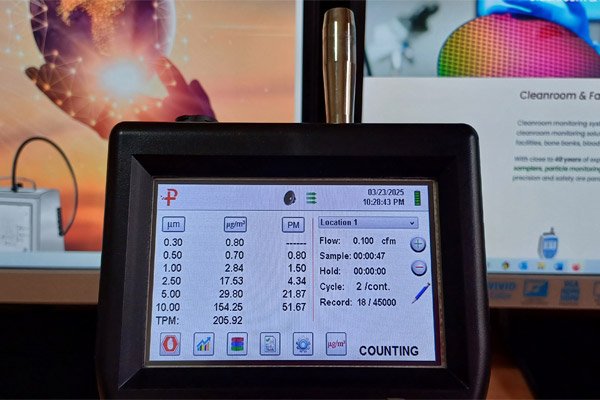
- ISO 23875: Specifies requirements for air quality control systems in operator enclosures, with simultaneous testing protocols.
Each standard outlines specific procedures, environmental conditions, and pass/fail criteria. These documents are regularly updated to reflect new technologies and emerging risks.
Core Procedures in Electronics Durability Testing
The process of evaluating electronic products for durability involves a series of controlled stress tests, each designed to simulate specific operational or environmental challenges. Some of the most common procedures include:
- Thermal Cycling: Exposes devices to alternating high and low temperatures to assess their ability to withstand thermal expansion and contraction.
- Vibration Testing: Simulates the mechanical stresses experienced during transportation or operation in dynamic environments.
- Humidity Exposure: Tests resistance to moisture, which can cause corrosion or electrical failure.
- Mechanical Shock: Subjects products to sudden impacts to evaluate structural integrity and component retention.
- Salt Spray and Corrosion: Assesses how well devices resist corrosive atmospheres, especially important for outdoor or marine applications.
Each of these procedures is defined in detail within the relevant ISO standard, including the duration, intensity, and evaluation criteria.
Key Elements of ISO-Based Stress Testing Protocols
Implementing ISO-based stress procedures involves more than just subjecting devices to harsh conditions. The protocols emphasize repeatability, traceability, and documentation. Key elements include:
- Test Setup and Calibration: Ensuring all equipment is properly calibrated and environmental conditions are controlled.
- Sample Selection: Choosing representative units from production batches to ensure results are statistically valid.
- Data Recording: Meticulous documentation of test parameters, observations, and outcomes.
- Failure Analysis: Investigating any failures to determine root causes and inform design improvements.
This systematic approach helps manufacturers not only meet compliance requirements but also drive continuous product improvement.

Integrating ISO Durability Methods into Product Development
For organizations developing new electronic products, integrating ISO durability protocols early in the design process can save significant time and resources. By identifying potential weaknesses before mass production, teams can address issues proactively, reducing costly recalls or redesigns.
Cross-functional collaboration between design, engineering, and quality assurance teams is essential. Many companies also work with accredited third-party labs to ensure impartiality and access to specialized testing equipment. For a deeper understanding of how these practices fit within broader compliance efforts, the electronics performance testing ISO guidelines article offers further insights.
Benefits of Adhering to International Testing Standards
Complying with internationally recognized durability protocols offers several advantages:
- Regulatory Acceptance: Products tested to ISO standards are more readily accepted in global markets.
- Customer Confidence: Demonstrates a commitment to quality and reliability, strengthening brand reputation.
- Reduced Liability: Minimizes the risk of product failures that could lead to recalls or legal claims.
- Continuous Improvement: Provides valuable data to inform future product enhancements.
Additionally, ISO certification can be a differentiator in competitive markets. For more on the broader significance of certification, see the importance of ISO certification and its impact on business credibility.
Common Challenges in Implementing Durability Testing
While the benefits are clear, implementing ISO-based durability testing can present challenges. These may include:
- Resource Constraints: Testing can require significant investment in equipment and skilled personnel.
- Complexity of Standards: Navigating the nuances of multiple ISO documents can be daunting, especially for smaller organizations.
- Rapid Technological Change: As new materials and technologies emerge, standards must be regularly updated to remain relevant.
To address these challenges, many companies rely on external consultants or specialized testing labs. Internal training and continuous education are also vital to keep teams up to date with evolving requirements. For manufacturers, understanding the relationship between durability and other safety standards is crucial—explore the electronics safety testing standards explained resource for more details.
Related ISO Testing Areas for Electronics
Durability testing often overlaps with other critical areas of electronic product evaluation. Environmental testing, for example, assesses how devices perform under extreme conditions such as temperature fluctuations, humidity, and exposure to chemicals. The environmental testing for electronics ISO standards guide provides a detailed look at these complementary protocols.
Reliability testing is another closely related field, focusing on long-term performance and failure rates. For a comprehensive overview of reliability requirements and best practices, refer to the reliability testing electronics ISO requirements article.
FAQ
What is the main purpose of ISO-based durability testing for electronics?
The primary goal is to ensure that electronic products can withstand the physical and environmental stresses they will encounter during their intended use. By following standardized ISO protocols, manufacturers can verify product robustness, reduce the likelihood of failures, and demonstrate compliance with international regulations.
How do ISO durability tests differ from other types of product testing?
ISO durability tests are specifically designed to assess a product’s ability to endure mechanical, thermal, and environmental stresses over time. While other tests may focus on performance or safety, durability testing emphasizes long-term reliability under real-world conditions, using repeatable and globally recognized procedures.
Can small manufacturers implement ISO durability testing in-house?
Yes, but it can be challenging due to the need for specialized equipment and expertise. Many small manufacturers partner with accredited third-party labs to conduct these tests, ensuring impartial results and access to advanced testing environments. Investing in staff training and understanding the relevant ISO standards is also essential for effective in-house testing.
