

Ensuring the reliability and safety of electronic products is a top priority for manufacturers and quality laboratories. Functional testing electronics ISO guidelines serve as a critical foundation for verifying that devices meet both regulatory and customer expectations. These internationally recognized standards help labs establish consistent, repeatable processes that minimize errors and improve product quality.
For organizations involved in electronics validation, adhering to these guidelines is not just about compliance—it’s about building trust in the marketplace and reducing costly recalls or failures. By following best practices outlined in ISO standards, labs can demonstrate their commitment to quality and provide customers with confidence in their products.

For a deeper understanding of how ISO standards affect compliance and validation, you may want to explore the product validation ISO electronics testing guide, which provides additional context on regulatory requirements and best practices for electronics testing.
Understanding ISO Standards in Electronics Functional Testing
ISO standards are globally recognized frameworks that define requirements for quality, safety, and reliability in various industries. In the context of electronics, these standards guide labs in structuring their functional test procedures and quality management systems. The most relevant ISO standards for electronics testing include:
- ISO/IEC 17025: Specifies general requirements for the competence of testing and calibration laboratories.
- ISO 9001: Focuses on quality management systems and continual improvement.
- ISO 14001: Addresses environmental management, which is increasingly important for electronics manufacturers. For more on this, see this overview of ISO 14001 experience in electronics manufacturing.
Adhering to these standards ensures that labs not only meet regulatory requirements but also operate efficiently and consistently. This is essential for reducing variability in test results and maintaining high levels of customer satisfaction.
Key Elements of Functional Testing for Electronics
Functional testing in electronics involves verifying that a device or component performs its intended functions under specified conditions. According to ISO guidelines for electronics functional testing, the following elements are critical:
- Test Planning: Defining objectives, scope, and acceptance criteria before testing begins.
- Test Environment Control: Ensuring environmental factors such as temperature, humidity, and electromagnetic interference are controlled and documented.
- Traceability: Maintaining detailed records of test setups, procedures, and results for repeatability and audit purposes.
- Calibration: Regularly calibrating test equipment to ensure accuracy and reliability.
- Documentation: Keeping comprehensive documentation of all test activities, deviations, and corrective actions.

By following these structured processes, labs can minimize errors, ensure repeatability, and provide reliable data for decision-making.
Benefits of Implementing ISO-Based Functional Testing in Quality Labs
Integrating ISO-based functional testing practices in electronics labs offers several advantages:
- Enhanced Product Reliability: Systematic testing uncovers defects early, reducing the risk of field failures.
- Regulatory Compliance: Meeting ISO requirements helps labs comply with international regulations and customer mandates.
- Improved Efficiency: Standardized procedures streamline workflows, saving time and resources.
- Market Access: Certification to ISO standards can open doors to new markets and customers who require proof of quality.
- Continuous Improvement: ISO frameworks encourage ongoing evaluation and enhancement of testing processes.
For organizations looking to expand their testing capabilities, understanding the nuances of electronics performance testing ISO guidelines can provide valuable insights into optimizing both functional and performance assessments.
Common Challenges in Meeting Functional Testing Standards
While the benefits of ISO-aligned functional testing are clear, labs may face several challenges in implementation:
- Resource Constraints: Smaller labs may struggle with the cost and complexity of meeting all ISO requirements.
- Training Needs: Staff must be adequately trained in both technical procedures and quality management principles.
- Documentation Burden: Maintaining thorough records can be time-consuming but is essential for traceability and audits.
- Rapid Technological Change: Keeping up with new test methods and equipment requires ongoing investment.
Addressing these challenges often involves investing in staff development, leveraging automation where possible, and periodically reviewing processes for improvement.
Best Practices for ISO-Compliant Functional Testing
To ensure compliance with functional testing electronics ISO guidelines, quality labs should adopt several best practices:
- Develop Clear Test Protocols: Standardize procedures for each product type and testing phase.
- Regularly Review and Update Procedures: Incorporate feedback from audits and lessons learned from previous projects.
- Invest in Training: Ensure all staff understand both the technical and quality management aspects of their roles.
- Utilize Modern Test Equipment: Keep equipment calibrated and up-to-date to maintain accuracy.
- Conduct Internal Audits: Periodically review compliance with ISO standards and address any gaps promptly.
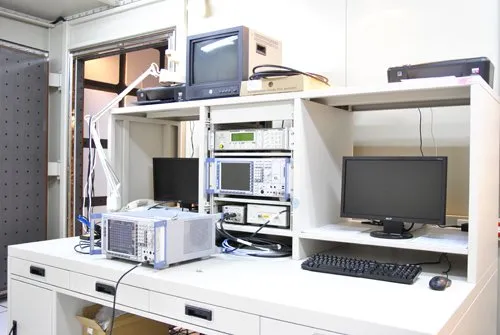
For further reading on maintaining safety and reliability, the electronics safety testing standards explained article provides a comprehensive look at related protocols and their impact on product quality.
Integrating Functional, Performance, and Reliability Testing
While functional testing focuses on verifying that a device operates as intended, it is often complemented by performance and reliability assessments. Integrating these approaches ensures a holistic evaluation of electronic products. For example, reliability testing electronics ISO requirements highlight the importance of long-term durability, while performance testing examines how well a device meets its specifications under various conditions.
Combining these testing strategies within an ISO-compliant framework provides a comprehensive quality assurance process, reducing the likelihood of failures and enhancing customer satisfaction.
Environmental Considerations in Functional Testing
Environmental factors can significantly impact the performance and reliability of electronic devices. ISO standards emphasize the need to control and document environmental conditions during functional testing. This includes monitoring temperature, humidity, and exposure to electromagnetic interference. For more details on this aspect, refer to the environmental testing for electronics ISO standards guide.
By accounting for these variables, labs can ensure that test results accurately reflect real-world operating conditions, leading to more robust and reliable products.
Frequently Asked Questions
What are the most important ISO standards for electronics functional testing?
The key standards include ISO/IEC 17025 for laboratory competence, ISO 9001 for quality management, and ISO 14001 for environmental management. These frameworks help labs maintain consistent, reliable, and environmentally responsible testing practices.
How does ISO compliance benefit electronics manufacturers and quality labs?
ISO compliance demonstrates a commitment to quality, improves product reliability, streamlines processes, and facilitates access to global markets. It also helps organizations meet regulatory requirements and customer expectations.
What steps should labs take to maintain ISO certification in functional testing?
Labs should develop and regularly update standardized test protocols, invest in staff training, maintain accurate documentation, keep equipment calibrated, and conduct periodic internal audits to ensure ongoing compliance with ISO standards.
