


The electronics industry faces increasing pressure to deliver products that are safe, reliable, and compliant with international standards. As technology evolves and consumer expectations rise, manufacturers must adopt robust quality assurance systems to remain competitive. One of the most effective ways to achieve this is by implementing an electronics quality control ISO framework. This structured approach not only ensures product consistency but also helps companies meet regulatory requirements and build trust with customers.
Understanding how these frameworks work, their core components, and the benefits they bring is essential for any organization involved in the design, manufacturing, or testing of electronic devices. By aligning processes with recognized ISO standards, businesses can streamline operations, minimize defects, and enhance overall product quality.
For those seeking a deeper understanding of compliance and testing, the product validation ISO electronics testing guide offers detailed insights into the validation process and its importance in electronics manufacturing.
Why ISO Standards Matter in Electronics Quality Control
International Organization for Standardization (ISO) standards provide a globally recognized framework for managing quality in electronics production. These guidelines set out best practices for everything from design and development to final inspection and shipment. Adopting an ISO-based quality control system helps organizations:
- Meet legal and regulatory requirements in different markets
- Reduce the risk of product recalls and failures
- Enhance customer satisfaction by delivering consistent quality
- Streamline internal processes and reduce waste
- Improve traceability and documentation
One of the most widely adopted standards is ISO 9001, which focuses on quality management systems (QMS). For electronics, additional standards such as ISO 13485 (for medical devices) and ISO/IEC 17025 (for testing laboratories) are also highly relevant.
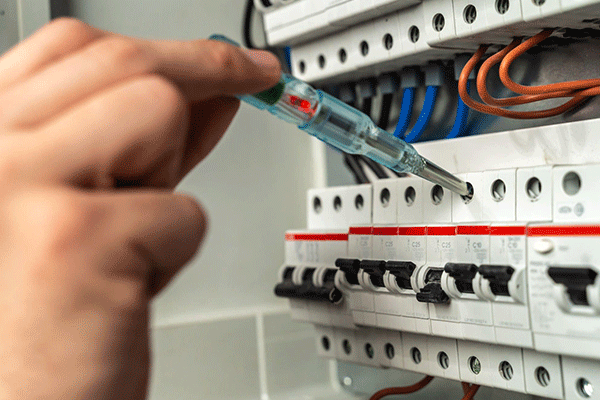
Core Elements of an Effective Electronics Quality Control ISO Framework
A successful electronics quality control ISO framework integrates several key components that work together to ensure product excellence. These elements include:
1. Documented Procedures and Work Instructions
Clear documentation forms the backbone of any ISO-compliant system. This includes standard operating procedures (SOPs), work instructions, and records of quality checks. Proper documentation ensures that every team member understands their responsibilities and that processes are repeatable and auditable.
2. Risk Management and Preventive Action
Identifying potential risks early in the product lifecycle is crucial. ISO frameworks require organizations to assess risks, implement preventive measures, and monitor their effectiveness. This proactive approach helps minimize defects and costly rework.
3. Supplier and Component Control
Electronics manufacturers often rely on a global network of suppliers. Ensuring that all incoming materials meet specified standards is a vital part of quality control. ISO guidelines recommend regular supplier evaluations, audits, and incoming inspection protocols.
4. Product Testing and Validation
Comprehensive testing is essential to verify that products meet performance, safety, and reliability requirements. This may include functional tests, environmental stress screening, and compliance checks with relevant standards. For more on this topic, see the electronics performance testing ISO guidelines for best practices.
5. Continuous Improvement
ISO standards emphasize ongoing improvement through regular reviews, internal audits, and corrective actions. By analyzing quality data and feedback, organizations can identify trends, address root causes, and enhance their processes over time.
Implementing ISO-Based Quality Control in Electronics Manufacturing
Transitioning to an ISO-aligned quality system involves several practical steps. Here’s how electronics companies can get started:
- Gap Analysis: Evaluate current processes against ISO requirements to identify areas needing improvement.
- Training and Awareness: Educate staff at all levels about ISO principles, procedures, and their roles in maintaining quality.
- Process Standardization: Develop and document procedures for all critical operations, from design to shipping.
- Supplier Qualification: Establish criteria for selecting and monitoring suppliers to ensure consistent material quality.
- Quality Audits: Conduct regular internal and external audits to verify compliance and drive continual improvement.
For electronics manufacturers new to ISO certification, working with experienced consultants or using resources such as guides to ISO certification for the electronics industry can simplify the process and help avoid common pitfalls.
Benefits of Adopting a Structured Quality Control Approach
Implementing a robust ISO-based quality control system delivers significant advantages for electronics companies:
- Reduced Defects and Failures: Systematic checks and preventive actions lower the risk of faulty products reaching customers.
- Faster Market Access: Meeting international standards can speed up regulatory approvals and open doors to new markets.
- Enhanced Reputation: Certification demonstrates a commitment to quality, boosting credibility with clients and partners.
- Cost Savings: Fewer recalls, returns, and warranty claims translate to lower operational costs and higher profitability.
- Employee Engagement: Clear procedures and defined roles help employees understand their impact on product quality.
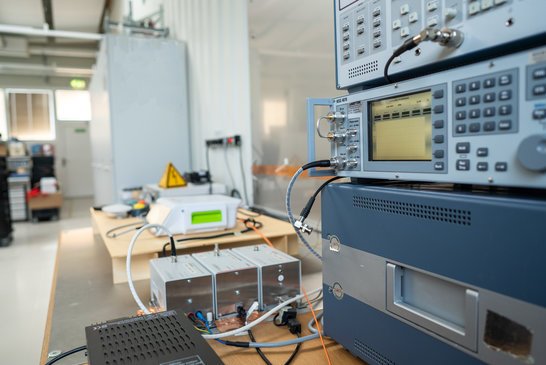
Challenges and Solutions in Maintaining ISO Quality Control
While the advantages are clear, maintaining an electronics quality control ISO framework can present challenges. Common issues include:
- Keeping Up with Changing Standards: ISO guidelines are periodically updated. Staying current requires ongoing training and process reviews.
- Managing Complex Supply Chains: Global sourcing introduces variability. Regular supplier audits and clear specifications help maintain consistency.
- Balancing Cost and Quality: Implementing comprehensive controls can be resource-intensive. Prioritizing critical areas and leveraging automation can optimize results.
To address these challenges, companies should invest in staff development, leverage digital tools for documentation and tracking, and foster a culture of continuous improvement. For those interested in environmental considerations, the environmental testing for electronics ISO standards guide provides additional context on integrating environmental compliance into quality systems.
Related ISO Standards for Electronics Quality Assurance
Beyond ISO 9001, several other standards play a crucial role in electronics manufacturing:
- ISO/IEC 17025: Specifies requirements for the competence of testing and calibration laboratories, ensuring accurate and reliable test results.
- ISO 13485: Focuses on quality management for medical device manufacturers, including electronic medical equipment.
- ISO 14001: Addresses environmental management systems, helping electronics companies minimize their environmental impact.
- IEC 61010: Covers safety requirements for electrical equipment used in laboratories and industrial settings.
For a deeper dive into safety protocols, the electronics safety testing standards explained article offers practical guidance for manufacturers.
Frequently Asked Questions
What is the main purpose of an ISO framework in electronics quality control?
The primary goal is to establish a systematic approach to managing and improving product quality. By following ISO guidelines, electronics companies can ensure their products consistently meet customer and regulatory expectations.
How does ISO certification benefit electronics manufacturers?
ISO certification demonstrates a commitment to quality, which can enhance reputation, facilitate market access, and reduce the risk of product failures. It also helps streamline internal processes and improve overall efficiency.
Are there specific ISO standards for different types of electronics?
Yes. While ISO 9001 is widely used across industries, standards like ISO 13485 (medical devices), ISO/IEC 17025 (testing labs), and ISO 14001 (environmental management) address specific needs within the electronics sector.
