

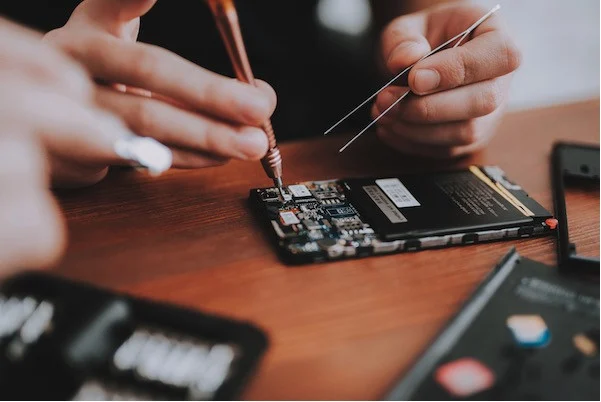
Developing a successful electronic device requires careful planning, technical expertise, and a clear understanding of the critical steps that move a concept from idea to market-ready product. For engineers, startups, and businesses, recognizing the electronic product design milestones is essential for managing risk, controlling costs, and ensuring a smooth path to launch.
This article breaks down the key phases in the design and development journey, highlighting what happens at each stage and why these checkpoints matter. By understanding the process, teams can better anticipate challenges, allocate resources, and streamline communication between engineering, manufacturing, and business stakeholders.
For those interested in the testing phase, the electronic product design performance testing guide offers a detailed look at how to ensure reliability and compliance before launch.
Understanding the Product Development Lifecycle
The journey from concept to finished device is typically divided into a series of well-defined stages. Each phase has its own objectives, deliverables, and review points. Recognizing these key milestones in electronic product design helps teams stay on track and avoid costly missteps.
- Concept and Feasibility
- Requirements and Specification
- Design and Prototyping
- Testing and Validation
- Pre-Production and Manufacturing Handoff
- Launch and Post-Launch Support
Concept and Feasibility: Laying the Foundation
Every successful product starts with a clear idea and a feasibility assessment. This initial phase focuses on defining the problem, identifying user needs, and exploring possible solutions. Teams often conduct market research, analyze competitors, and estimate the technical and financial viability of the project.
Key activities include:
- Brainstorming and idea generation
- Market and user research
- Preliminary risk assessment
- Rough cost and timeline estimates

The outcome of this phase is a go/no-go decision. If the idea is feasible, the project moves forward to detailed requirements gathering.
Requirements and Specification: Defining Success
Once feasibility is established, the next milestone involves capturing all functional, technical, and regulatory requirements. This step is crucial for aligning expectations and preventing scope creep later on.
Typical deliverables include:
- Product requirements document (PRD)
- System architecture diagrams
- Preliminary bill of materials (BOM)
- Compliance and certification needs
Clear documentation at this stage ensures that engineering, design, and business teams are working toward the same goals.
Design and Prototyping: Bringing Ideas to Life
With requirements in hand, engineers begin detailed design work. This phase covers both hardware and software development, schematic capture, PCB layout, and mechanical integration. Creating prototypes is a critical milestone, allowing teams to test assumptions and refine the design before committing to expensive tooling or manufacturing.
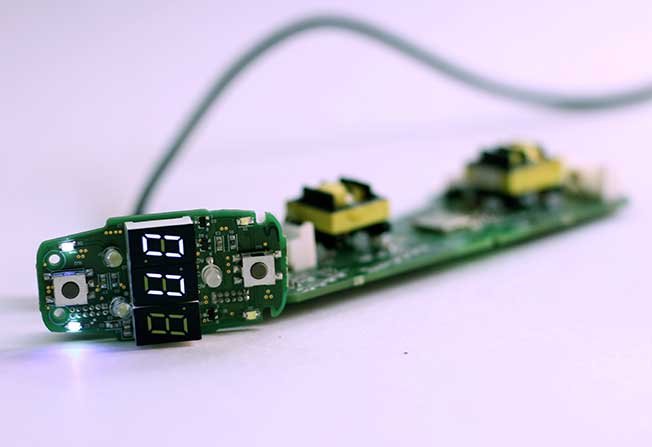
Key activities include:
- Detailed circuit and PCB design
- Firmware and software development
- Mechanical enclosure design
- Prototype fabrication and assembly
At this stage, teams may also consult resources like the electronic product design pcb material selection guide to ensure optimal performance and manufacturability.
Testing and Validation: Ensuring Quality and Compliance
Testing is one of the most critical milestones in electronic product design. Prototypes undergo a series of evaluations to verify functionality, performance, safety, and compliance with industry standards. This phase helps identify design flaws, component issues, or software bugs before mass production.
Common testing activities:
- Functional and performance testing
- Environmental and stress testing
- Regulatory compliance (EMC, safety, etc.)
- User trials and feedback collection
For a deeper dive into this phase, refer to the electronic product design performance testing guide.
Pre-Production and Manufacturing Handoff
After successful validation, the design is prepared for manufacturing. This milestone involves finalizing documentation, sourcing components, and working closely with contract manufacturers or in-house production teams. Design for manufacturability (DFM) reviews and pilot runs are conducted to ensure smooth scaling.
Key deliverables:
- Finalized BOM and assembly drawings
- Manufacturing test plans
- Pilot production units
- Quality assurance protocols
Attention to detail here reduces the risk of costly errors or delays during mass production.
Launch and Post-Launch Support
The final milestone is product launch. This includes ramping up production, managing logistics, and supporting the product in the field. Teams monitor early user feedback, address any issues, and plan for future updates or improvements.
Ongoing activities:
- Customer support and troubleshooting
- Field performance monitoring
- Firmware/software updates
- Planning for next-generation products
For considerations around adapting products for different markets, the electronic product localization considerations article provides valuable insights.
Why Milestones Matter in Electronics Development
Each checkpoint in the design process serves as a quality gate, ensuring that risks are identified and managed before moving forward. These structured reviews help teams:
- Catch design errors early, reducing rework
- Control costs by preventing scope creep
- Meet regulatory and safety requirements
- Align cross-functional teams on objectives
Following a milestone-driven approach also improves communication with manufacturing partners and investors, providing clear evidence of progress and readiness at each stage.
Best Practices for Managing Electronic Design Milestones
To maximize the benefits of a milestone-based process, consider these practical tips:
- Document everything clearly and update regularly
- Involve all stakeholders in milestone reviews
- Use prototypes to validate assumptions early
- Plan for testing and compliance from the start
- Leverage external expertise when needed
For additional strategies on managing the transition from design to manufacturing, this overview of electronic design and manufacturing best practices offers actionable advice.
FAQ
What are the most important milestones in electronic product development?
The most critical checkpoints include concept validation, requirements specification, prototype completion, successful testing and validation, manufacturing handoff, and product launch. Each stage ensures that the design meets technical, regulatory, and business objectives before progressing.
How can teams avoid delays during the design process?
Delays are often caused by unclear requirements, inadequate testing, or poor communication between teams. Establishing clear documentation, holding regular milestone reviews, and involving all stakeholders early can help prevent common bottlenecks.
Why is prototype testing considered a key milestone?
Prototype testing allows teams to identify and fix design flaws, verify performance, and ensure compliance with standards before committing to mass production. This reduces the risk of costly rework and helps deliver a reliable product to market.
How do regulatory requirements impact the design process?
Regulatory compliance (such as EMC, safety, and environmental standards) must be considered from the beginning. Failing to address these requirements early can result in failed certifications, product recalls, or delays in market entry.
Where can I find more information on cost analysis and mechanical integration?
For insights on budgeting and integrating hardware components, explore the electronic product lifecycle cost analysis and electronic product mechanical integration guide resources.
