


Building resilience off-grid living is about more than just surviving without public utilities—it’s about creating a lifestyle that can adapt and flourish, no matter where you are. Whether you’re motivated by sustainability, self-sufficiency, or the desire to disconnect from the grid, developing the right skills and systems is essential. This guide explores practical strategies, essential tools, and mindset shifts to help you thrive in remote or independent settings.
For those interested in the technical side of system integration, the electronic product design system integration guide offers insights into creating robust, reliable setups for off-grid applications.
Understanding Resilience in Remote Living
At its core, resilience off-grid living means being prepared for the unexpected and having systems in place to handle disruptions. This could involve weathering storms, dealing with equipment failures, or adapting to changing resource availability. The goal is to maintain comfort, safety, and productivity regardless of external circumstances.
Key aspects include:
- Self-sufficiency: Producing your own food, water, and energy.
- Redundancy: Having backup systems for critical needs.
- Adaptability: Being able to adjust routines and solutions as conditions change.
By focusing on these pillars, you can create a homestead or off-grid setup that not only survives but truly prospers.
Essential Systems for Off-Grid Success
Reliable infrastructure is the backbone of any off-grid lifestyle. Here’s how to approach the most important systems:
Power Generation and Storage
Solar panels, wind turbines, and micro-hydro systems are popular choices for generating electricity. Pair these with high-quality batteries to store energy for nighttime or cloudy days. Investing in a backup generator ensures you’re covered during extended periods of low production.
Regular maintenance and monitoring are crucial. Use charge controllers and inverters designed for off-grid use to maximize efficiency and lifespan.
Water Collection and Purification
Rainwater harvesting, wells, and natural springs are common sources. Install multiple collection points and storage tanks to create redundancy. Filtration and purification systems—such as ceramic filters, UV sterilizers, or reverse osmosis—ensure safe drinking water.
Food Production and Storage
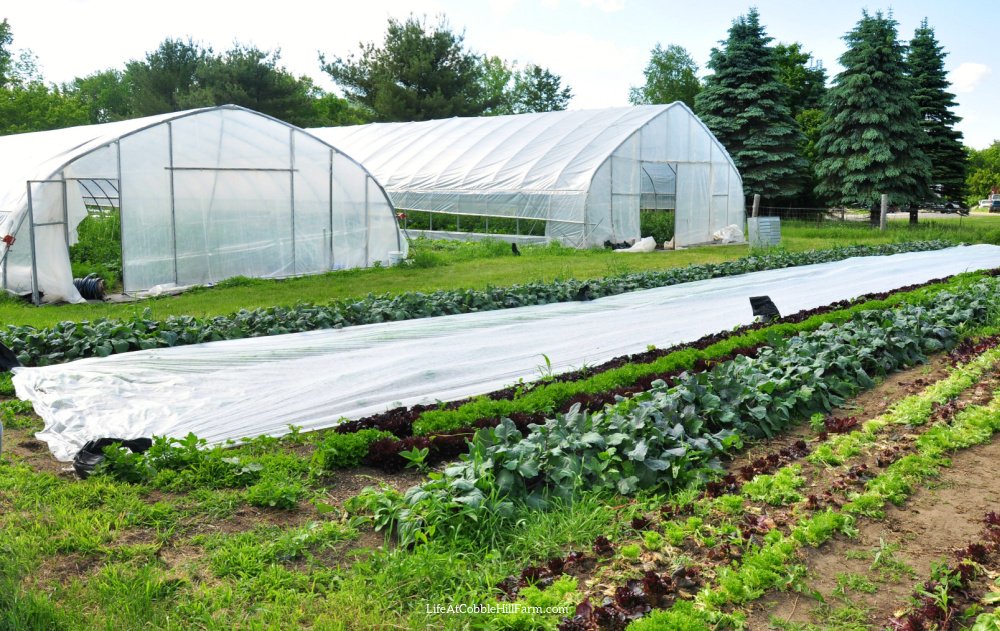
Growing your own food is a cornerstone of self-reliance. Raised garden beds, greenhouses, and permaculture techniques can extend your growing season and increase yields. Raising chickens or small livestock adds protein and variety to your diet.

Preserve harvests through canning, dehydrating, or freezing. A root cellar or insulated pantry helps store staples year-round, adding another layer of resilience.
Building a Resilient Mindset
Technical solutions are only part of the equation. A strong mindset is equally important for those seeking to thrive independently. Here are some ways to cultivate mental and emotional resilience:
- Continuous learning: Stay curious and seek out new skills, from carpentry to first aid.
- Problem-solving: View challenges as opportunities to innovate rather than setbacks.
- Community connections: Even in remote areas, building relationships with neighbors or online groups can provide support and knowledge sharing.
Resilient individuals are proactive, resourceful, and willing to adapt as circumstances evolve.
Tools and Technologies for Off-Grid Adaptability
Modern technology can greatly enhance your ability to live independently. Here are some recommended tools and systems:
- Efficient appliances: Choose low-energy refrigerators, LED lighting, and propane or wood stoves designed for off-grid use.
- Monitoring systems: Use remote sensors to track battery levels, water usage, and weather conditions.
- Communication devices: Satellite phones or radios ensure you can reach help if needed.
For a deeper dive into ensuring your systems are reliable and safe, resources like the electronic product design reliability engineering basics offer valuable guidance for selecting and maintaining critical equipment.
Learning from Real-World Resources
There’s a wealth of knowledge available for those looking to enhance their self-sufficiency. Practical guides, online communities, and hands-on workshops can all help you improve your skills. For a comprehensive overview, the complete guide to off-grid living covers everything from energy systems to daily routines.
Additionally, exploring topics like electronic product design documentation workflow can help you keep track of your systems and ensure everything runs smoothly over time.
Common Challenges and How to Overcome Them
Even the most prepared off-grid homesteaders face challenges. Here are some typical obstacles and strategies for overcoming them:
- Resource shortages: Stockpile essentials, rotate supplies, and develop multiple sources for water, food, and fuel.
- Equipment failure: Keep spare parts and tools on hand, and learn basic repair skills.
- Isolation: Stay connected with friends, family, or online communities for emotional support and advice.
- Weather extremes: Design your home and systems to handle heat, cold, wind, and storms. Insulation, storm shutters, and backup heating or cooling can make a big difference.
Being proactive and resourceful is key to turning these challenges into manageable tasks rather than crises.
Frequently Asked Questions
What are the most important skills for resilient off-grid living?
Essential skills include basic carpentry, gardening, water purification, first aid, and troubleshooting electrical systems. The more you can do yourself, the less reliant you are on outside help.
How can I make my off-grid home more energy efficient?
Use energy-efficient appliances, insulate your home well, and design spaces to maximize natural light and ventilation. Regularly monitor your energy usage and adjust habits as needed.
Is it possible to live off-grid with a family?
Yes, many families successfully live off-grid. It requires careful planning, clear communication, and a willingness to share responsibilities. Involving everyone in daily tasks can also strengthen family bonds and teach valuable life skills.
For those interested in technical performance, the electronic product design performance testing guide provides further details on ensuring your systems are up to the task.
Conclusion
Embracing resilience off-grid living is about more than just disconnecting from the grid—it’s about building a lifestyle that can adapt and thrive in any environment. By focusing on robust systems, continuous learning, and a proactive mindset, you can enjoy the freedom and satisfaction that comes from true self-reliance. With the right preparation and resources, anyone can create a home that’s ready for whatever comes next.
