

Electromagnetic compatibility (EMC) testing is a fundamental process in the electronics industry. As electronic devices become more complex and interconnected, ensuring they function safely and reliably in their intended environments is critical. Understanding why EMC testing is important electronics helps manufacturers, engineers, and businesses deliver products that meet regulatory standards, avoid costly recalls, and maintain a strong reputation in the marketplace.
EMC testing verifies that electronic products do not emit excessive electromagnetic interference (EMI) and are immune to external sources of EMI. This process is not only about compliance; it is also about protecting users, supporting product longevity, and enabling global market access. For those seeking a deeper dive into regulatory frameworks, the article on product compliance electronics ISO testing provides valuable insights into essential standards and certification processes.
The Role of EMC Testing in Electronics Reliability
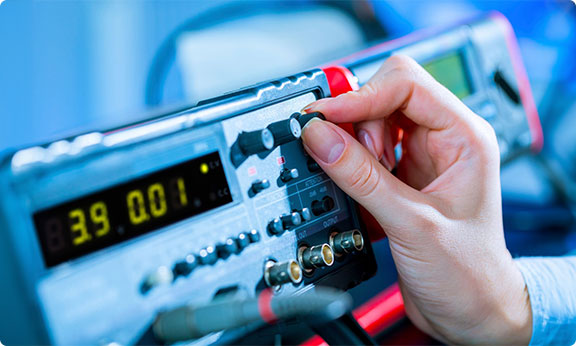
One of the main reasons why EMC testing is important electronics is its direct impact on reliability. Electronic devices are often used in environments filled with electromagnetic signals from various sources—mobile phones, Wi-Fi routers, industrial equipment, and more. Without proper EMC controls, devices can malfunction, leading to data loss, system errors, or even complete failure.
For example, a medical device that is not properly shielded could be affected by nearby equipment, potentially putting patient safety at risk. Similarly, automotive electronics must function flawlessly despite the high levels of EMI present in vehicles. EMC testing ensures that products can withstand these challenges, providing confidence to both manufacturers and end users.
Ensuring User Safety Through EMC Compliance
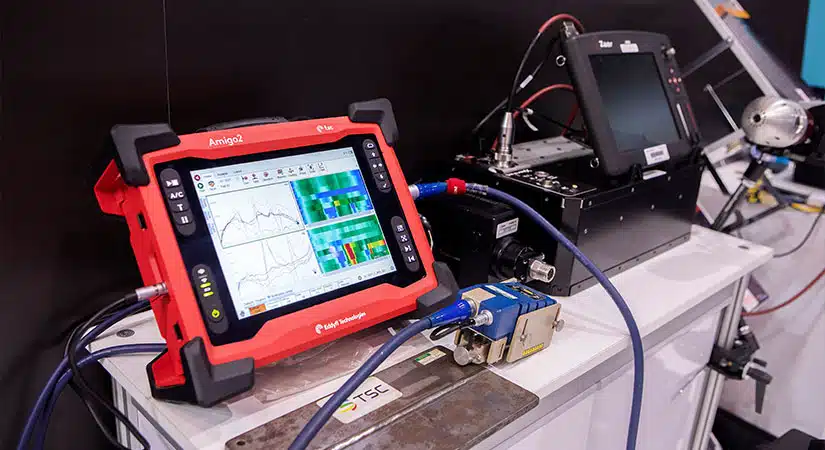
Protecting users from harm is a top priority in electronics design. EMC testing plays a crucial role in this by preventing unwanted electromagnetic emissions that could interfere with other devices or even cause physical harm. For instance, interference from consumer electronics could disrupt critical communications or emergency systems.
Regulatory bodies around the world, such as the FCC in the United States and the CE marking in Europe, require EMC compliance before products can be sold. These regulations are in place to safeguard public safety and ensure that electronic devices do not pose risks to users or other equipment. By adhering to EMC standards, manufacturers demonstrate their commitment to safety and build trust with consumers.
Supporting Global Market Access and Sales
Another key aspect of why EMC testing is important electronics is its influence on market access. Products that fail EMC tests cannot be legally sold in many regions, limiting business opportunities and revenue. Passing EMC assessments is often a prerequisite for obtaining certifications and approvals required for international trade.
Manufacturers who invest in EMC compliance benefit from smoother product launches, fewer delays, and reduced risk of recalls. This not only helps protect their brand reputation but also supports long-term sales growth. For companies looking to expand globally, understanding and meeting EMC requirements is essential to staying competitive.
Reducing Product Recalls and Warranty Costs
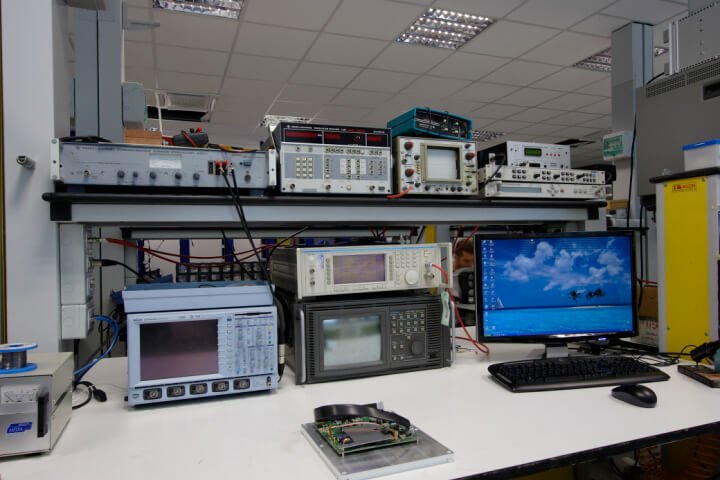
Product recalls can be costly and damaging to a company’s reputation. Many recalls in the electronics industry are due to failures related to electromagnetic interference. By conducting thorough EMC testing during development, manufacturers can identify and address potential issues before products reach the market.
This proactive approach reduces the likelihood of field failures, warranty claims, and negative customer experiences. It also allows companies to allocate resources more efficiently, focusing on innovation rather than crisis management. In the long run, investing in EMC testing saves money and strengthens customer loyalty.
EMC Testing and Quality Assurance
Integrating EMC assessments into the quality assurance process is a best practice for electronics manufacturers. It ensures that products not only meet regulatory requirements but also perform consistently in real-world conditions. This is closely related to broader quality initiatives, such as those discussed in the electronics quality control ISO framework, which emphasizes the importance of systematic testing and documentation.
By embedding EMC considerations into every stage of product development, from initial design to final inspection, companies can deliver higher-quality products and reduce the risk of compliance issues down the line.
How EMC Testing Works: Key Methods and Standards
EMC testing involves a range of procedures designed to evaluate both emissions and immunity. Common tests include:
- Radiated Emissions: Measures the electromagnetic energy emitted by a device through the air.
- Conducted Emissions: Assesses unwanted signals transmitted along power or signal lines.
- Immunity Testing: Evaluates a device’s resistance to external electromagnetic disturbances.
International standards, such as those from the IEC, CISPR, and ISO, provide detailed guidelines for performing these tests. Adhering to these standards is essential for achieving compliance and ensuring interoperability with other electronic systems.
Traceability and Certification in EMC Compliance
Maintaining clear records of EMC testing and certification is vital for demonstrating compliance during audits or market surveillance. Traceability is also a key factor in quality management, as highlighted in resources like the importance of ISO certifications for traceability in electronics. Proper documentation streamlines the certification process and provides evidence of due diligence in the event of disputes or regulatory inquiries.
Integrating EMC Testing with Other Safety and Quality Procedures
EMC assessments should not be viewed in isolation. They are most effective when integrated with other safety and quality protocols, such as electrical safety testing standards overview and functional testing. This holistic approach ensures that products are safe, robust, and compliant across all relevant domains.
By coordinating EMC, safety, and durability evaluations, manufacturers can identify potential conflicts or weaknesses early in the development cycle, reducing the risk of late-stage failures or compliance issues.
Frequently Asked Questions
What types of products require EMC testing?
Most electronic devices, including consumer electronics, industrial equipment, automotive systems, and medical devices, require EMC assessments before being placed on the market. Regulatory requirements vary by region and product category, but EMC compliance is a common prerequisite for certification and sales.
How does EMC testing differ from other types of electronics testing?
While EMC testing focuses on electromagnetic emissions and immunity, other tests may assess durability, safety, or functional performance. For example, electronics durability testing ISO methods evaluate how products withstand physical stress, while functional tests ensure devices operate as intended under normal and extreme conditions.
Can EMC issues be fixed after a product is manufactured?
Addressing EMC problems after manufacturing can be challenging and costly. It often requires design changes, additional shielding, or modifications to circuit layouts. For this reason, it is best to consider EMC requirements early in the design process and validate compliance through testing before mass production begins.
In summary, understanding why EMC testing is important electronics is essential for anyone involved in the design, manufacturing, or sale of electronic products. EMC assessments protect users, support regulatory compliance, reduce costs, and open doors to global markets. By prioritizing EMC from the outset, companies can deliver safer, more reliable, and more competitive products in today’s interconnected world.
