

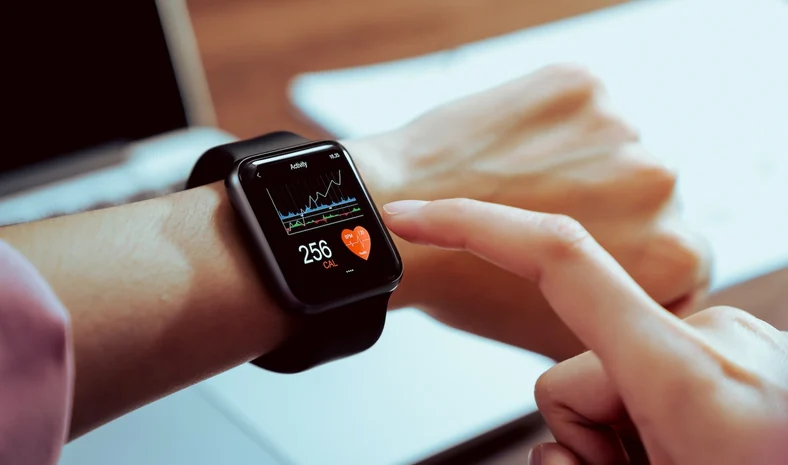
The rapid growth of wearable technology has transformed the way people interact with digital products. From smartwatches and fitness trackers to medical devices and augmented reality glasses, wearables are now a core part of everyday life. As these devices become more integrated into routines, the importance of wearable UX design principles has never been greater. Creating seamless, intuitive, and accessible experiences is essential for user satisfaction and product success.
Designing for wearables presents unique challenges compared to traditional interfaces. Limited screen real estate, context-aware interactions, and the need for unobtrusive notifications all require a specialized approach. In this article, we’ll break down the core principles that guide effective user experience design for wearable devices, highlight best practices, and provide practical insights for designers and product teams.
For those interested in the broader context of electronic product development, the electronic product design system integration guide offers a comprehensive look at how wearables fit into the larger landscape of connected devices.
Understanding the Unique Context of Wearable Devices
Wearables differ from smartphones and computers in several fundamental ways. They are worn on the body, often used on the go, and must deliver value with minimal disruption. This context shapes every aspect of user experience design. Users expect quick, glanceable information, effortless controls, and seamless integration with their environment.
Key considerations for designers include:
- Physical constraints: Small screens and limited input methods require concise content and simple navigation.
- Continuous presence: Devices are always with the user, so interactions must be non-intrusive and context-aware.
- Health and safety: Many wearables monitor sensitive health data, demanding high standards for privacy and reliability.
Core Principles for Wearable User Experience
Applying the right wearable UX design principles ensures that products are both functional and delightful. Here are the foundational guidelines every designer should follow:
1. Prioritize Simplicity and Clarity
With limited display space, every element on a wearable interface must serve a clear purpose. Use concise language, large touch targets, and intuitive icons. Avoid clutter and unnecessary features that can overwhelm users. The goal is to enable quick, effortless interactions—often with just a glance or a single tap.
2. Design for Context and Environment
Wearables are used in diverse settings—while walking, exercising, or even sleeping. Interfaces should adapt to changing environments and user states. For example, a fitness tracker might automatically switch to workout mode when it detects movement. Context-aware notifications and adaptive brightness can further enhance usability.
3. Minimize Cognitive Load
Users should not have to remember complex gestures or navigate deep menus. Streamline workflows so that common tasks require minimal steps. Use progressive disclosure to reveal advanced options only when needed. This approach reduces mental effort and increases user satisfaction.
4. Ensure Accessibility and Inclusivity
Wearable technology should be usable by everyone, regardless of ability. High-contrast visuals, voice controls, and haptic feedback can make interfaces more accessible. Consider users with visual impairments, limited dexterity, or other challenges. Test designs with diverse user groups to identify and address barriers.
5. Deliver Timely and Relevant Feedback
Immediate feedback reassures users that their actions have been registered. Subtle vibrations, sounds, or visual cues can confirm successful interactions. However, feedback should be discreet to avoid disrupting the user’s experience or drawing unwanted attention in public settings.

Best Practices for Designing Wearable Interfaces
To put these principles into action, consider the following best practices when developing wearable experiences:
- Glanceability: Design for quick information retrieval. Use large fonts, bold colors, and clear layouts to make data easy to scan.
- Gesture and Voice Controls: Where possible, leverage natural input methods like swipes, taps, and voice commands to simplify interaction.
- Battery Efficiency: Optimize animations, background processes, and screen brightness to extend battery life—a critical factor for user satisfaction.
- Personalization: Allow users to customize notifications, watch faces, or data displays to match their preferences and routines.
- Seamless Integration: Ensure the wearable works smoothly with companion apps, cloud services, and other devices for a unified experience.
For more on ensuring high standards in electronic device development, the electronic product design performance testing guide offers valuable insights into testing and reliability.
Challenges and Opportunities in Wearable UX
While the potential of wearable technology is vast, designers face several ongoing challenges:
- Privacy and Security: Wearables often collect sensitive health or location data. Transparent privacy policies and robust security measures are essential.
- Interoperability: Ensuring compatibility across different platforms, operating systems, and hardware can be complex.
- User Engagement: Maintaining long-term engagement requires meaningful features and regular updates without overwhelming users.
Despite these hurdles, the future of wearables is bright. Advances in sensors, AI, and connectivity are opening new possibilities for personalized health, productivity, and entertainment. Staying informed about the latest wearable technology trends and definitions can help designers anticipate user needs and industry shifts.
Integrating Wearable UX with Broader Product Ecosystems
Wearables rarely exist in isolation. They often serve as extensions of smartphones, tablets, or cloud-based services. Designing for seamless interoperability is crucial. Data should sync effortlessly, and users should be able to transition between devices without losing context.
This holistic approach is echoed in the electronic product design documentation workflow, which emphasizes the importance of clear documentation and cross-device consistency throughout the product lifecycle.
FAQ: Common Questions About Wearable User Experience
What makes wearable UX different from mobile UX?
Wearable interfaces are designed for much smaller screens and are often used in motion or in brief moments. This requires a focus on glanceable content, minimal interactions, and context-aware features that adapt to the user’s environment.
How can designers ensure accessibility in wearable products?
Accessibility can be improved by using high-contrast visuals, supporting voice commands, and providing haptic feedback. Testing with users who have different abilities is essential to identify and address potential barriers.
What are the most important wearable UX design principles for healthcare devices?
For healthcare wearables, clarity, reliability, and privacy are paramount. Interfaces should present health data clearly, minimize user error, and protect sensitive information through secure design practices.
Conclusion
As wearable technology continues to evolve, so too must the strategies for designing user experiences. By adhering to proven wearable UX design principles, designers can create products that are intuitive, accessible, and genuinely valuable to users. Whether you’re developing a fitness tracker, medical device, or next-generation smart accessory, focusing on simplicity, context, and inclusivity will set your product apart in a competitive market.
For further reading on safety and reliability in electronic products, explore the electronic product design safety standards comparison and electronic product design reliability engineering basics to deepen your understanding of the broader landscape in which wearables operate.
