

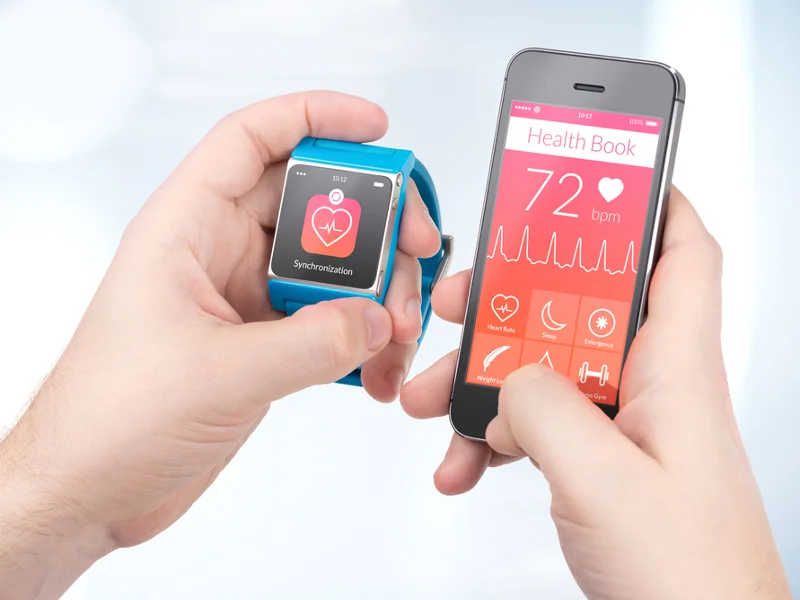
Wearable electronics have rapidly transformed from niche gadgets into essential tools for health, productivity, and daily convenience. These compact, body-worn devices integrate advanced sensors, wireless connectivity, and intuitive interfaces, making them a central part of the modern digital lifestyle. Understanding the foundational ideas behind these technologies helps users, designers, and businesses make informed choices about their adoption and integration.
From fitness trackers and smartwatches to medical monitoring patches and augmented reality glasses, wearable devices are reshaping how we interact with information and our environment. This article breaks down the essential principles, components, and applications of these innovative products. For those interested in the broader context of electronic design, the electronic product design system integration guide offers valuable insights into how complex systems come together.
What Are Wearable Devices?
Wearable technology refers to electronic devices designed to be worn on the body, either as accessories or embedded into clothing. These products typically collect data, deliver notifications, or enable hands-free interaction with digital systems. Unlike traditional electronics, wearables prioritize comfort, portability, and seamless integration into daily routines.
Common examples include:
- Smartwatches that track activity and display messages
- Fitness bands monitoring steps, heart rate, and sleep
- Smart glasses offering heads-up displays or augmented reality
- Medical patches for continuous glucose or ECG monitoring
- Wearable cameras and body sensors for specialized tasks
Core Technologies Behind Wearable Electronics
At the heart of every wearable device are several key technologies working together to deliver functionality while maintaining comfort and efficiency. Here’s a closer look at the most important components:
Sensors and Data Collection
Sensors are the backbone of wearable products. They measure physical parameters such as movement, temperature, heart rate, blood oxygen, and more. Accelerometers and gyroscopes track motion, while optical sensors monitor heart rate through the skin. Advanced devices may include environmental sensors for UV exposure, air quality, or GPS for location tracking.
Connectivity and Communication
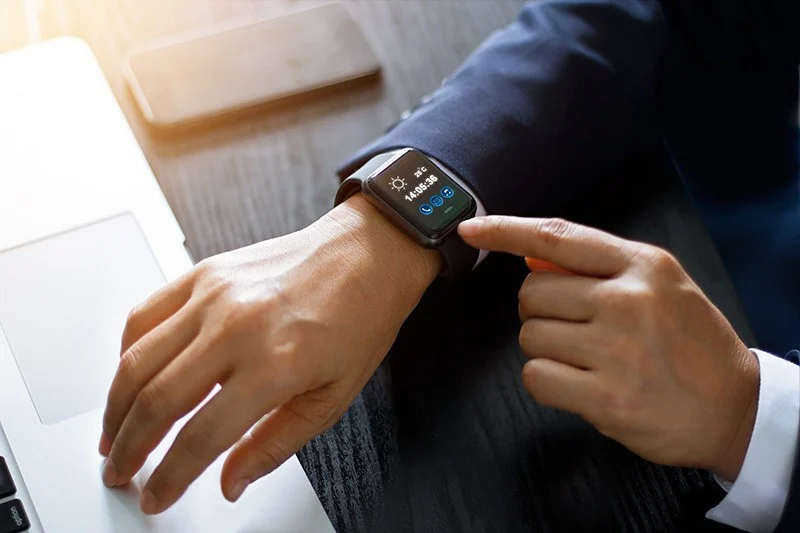
Wearables rely on wireless communication to exchange data with smartphones, computers, or cloud services. Bluetooth Low Energy (BLE) is the most common protocol, ensuring minimal power consumption. Some advanced models use Wi-Fi, NFC, or even cellular connections for independent operation. Reliable connectivity is crucial for real-time notifications and data synchronization.
Power Management and Battery Life
Efficient power use is a defining challenge for wearable electronics. Devices must operate for extended periods on small batteries while remaining lightweight and unobtrusive. Techniques such as low-power processors, optimized firmware, and energy-efficient displays help maximize battery life. Wireless charging and energy harvesting are emerging trends to further extend usage between charges.
Design Considerations for Wearable Devices
Creating successful wearables involves balancing technical performance with user comfort and style. Key design factors include:
- Ergonomics: Devices must fit comfortably and securely, often requiring flexible materials or adjustable straps.
- Durability: Water resistance, dust protection, and robust construction are essential for daily wear.
- User Interface: Touchscreens, buttons, voice control, and gesture recognition make interaction intuitive and accessible.
- Data Privacy: As wearables collect sensitive health and location data, strong security measures and transparent privacy policies are vital.
For a deeper dive into the process of documenting and testing electronic products, the electronic product design documentation workflow and electronic product design performance testing guide provide comprehensive resources.
Applications and Real-World Impact
The influence of body-worn electronics extends across multiple sectors, each benefiting from tailored solutions:
- Healthcare: Continuous monitoring of vital signs, medication reminders, and remote diagnostics improve patient outcomes and enable proactive care.
- Fitness and Wellness: Activity trackers, sleep monitors, and smart clothing help users set goals, track progress, and maintain healthy habits.
- Workplace Productivity: Smart badges and AR glasses streamline workflows, enhance safety, and support hands-free access to information.
- Entertainment and Lifestyle: Audio wearables, smart jewelry, and interactive garments offer new forms of engagement and self-expression.
Emerging applications include assistive devices for accessibility, industrial safety monitors, and even smart textiles that adapt to environmental conditions.

Challenges and Future Directions
While the market for wearable electronics continues to expand, several challenges remain:
- Battery limitations restrict device size and functionality.
- Interoperability between different platforms and ecosystems can be inconsistent.
- Data security and user privacy require ongoing attention as devices become more integrated into daily life.
- Regulatory compliance is especially important for medical-grade wearables.
Looking ahead, advances in flexible electronics, miniaturized sensors, and AI-powered analytics are expected to drive the next generation of wearables. The integration of smart fabrics and energy harvesting technologies could make these devices even more seamless and autonomous. For those interested in reliability and safety, the electronic product design safety standards comparison and electronic product design reliability engineering basics offer further reading.
How Wearable Devices Work: The Science Behind the Technology
Understanding the underlying science of these devices helps demystify their capabilities. Wearables combine microelectronics, sensor fusion, and wireless protocols to deliver actionable insights. For a technical breakdown, the science behind your smart devices explains how data is collected, processed, and transmitted securely and efficiently.
Many devices use algorithms to interpret raw sensor data, turning it into meaningful feedback for users. Machine learning and AI are increasingly used to personalize recommendations and detect anomalies, especially in health monitoring applications.
FAQ: Common Questions About Wearable Technology
What types of data do wearable devices typically collect?
Most wearables gather information such as steps taken, heart rate, sleep patterns, calories burned, and sometimes more advanced metrics like blood oxygen or ECG. Some specialized devices also monitor environmental factors or provide location tracking.
Are wearable electronics safe to use every day?
Yes, most consumer wearables are designed for daily use and undergo safety testing. However, users should follow manufacturer guidelines, especially for medical devices, and be mindful of data privacy settings.
How accurate are fitness trackers and health monitors?
Accuracy varies by device and sensor quality. While most trackers provide reliable trends for activity and heart rate, medical-grade wearables offer higher precision for clinical monitoring. It’s important to use these devices as guidance tools rather than substitutes for professional medical advice.
Can wearables integrate with other smart devices?
Many wearables can sync with smartphones, tablets, and even smart home systems. Compatibility depends on the device’s operating system and supported apps, so it’s wise to check for integration features before purchasing.
Wearable electronics continue to evolve, offering new possibilities for health, productivity, and lifestyle enhancement. Staying informed about the core concepts and technologies behind these devices empowers users and innovators alike to make the most of what this dynamic field has to offer.
