

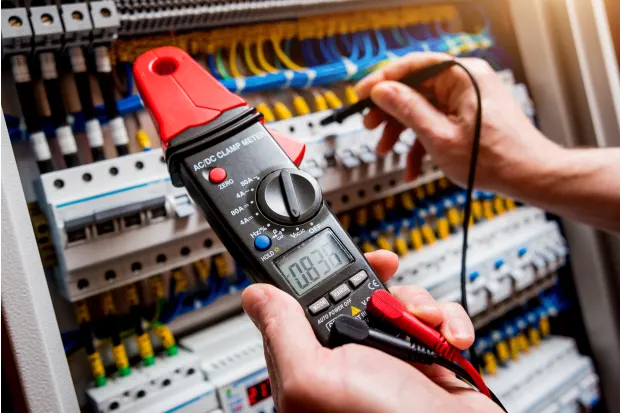
Ensuring the quality, safety, and compliance of electronic products is a top priority for manufacturers and suppliers worldwide. The process of documenting and validating product performance against international standards is not only a regulatory necessity but also a competitive advantage. Among the most recognized frameworks, test reports ISO electronics requirements play a central role in demonstrating conformity, reliability, and traceability throughout the electronics manufacturing lifecycle.
Understanding how to properly generate, maintain, and utilize these reports can help organizations streamline certification, reduce risk, and build trust with clients and regulators. This article explores the essential elements, documentation practices, and actionable tips for aligning your testing processes with ISO standards in the electronics sector.
For those seeking a deeper dive into related procedures, the board level testing ISO electronics guide offers a focused look at key steps for compliance at the component level.
Understanding ISO Standards in Electronics Testing
International Organization for Standardization (ISO) standards provide a globally recognized framework for quality management, safety, and traceability in electronics. These standards, such as ISO 9001 (quality management systems), ISO/IEC 17025 (testing and calibration laboratories), and ISO 14001 (environmental management), set out requirements for how organizations should conduct and document testing activities.
Test reports ISO electronics requirements are designed to ensure that every stage of the product lifecycle—from design and prototyping to final inspection and shipment—meets strict criteria for accuracy, repeatability, and transparency. Adhering to these standards helps companies avoid costly recalls, regulatory penalties, and reputational damage.
Key Elements of ISO-Compliant Test Reports
A well-prepared test report serves as a formal record of a product’s compliance with specified standards. To meet ISO electronics requirements for test documentation, reports should include the following core elements:
- Identification of the product: Model, serial number, and relevant batch or lot information.
- Test methods and standards referenced: Clear reference to the ISO or IEC standards applied during testing.
- Test conditions: Environmental parameters, equipment used, and calibration details.
- Results and observations: Quantitative data, pass/fail status, and any deviations from expected outcomes.
- Traceability: Details of personnel, date/time, and unique report identifiers for audit purposes.
- Signatures and approvals: Authorization by qualified personnel, often including digital signatures for electronic records.
Comprehensive documentation not only supports regulatory compliance but also facilitates root cause analysis and continuous improvement.
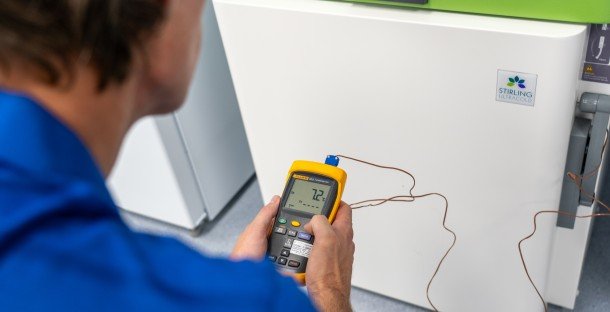
Best Practices for Meeting Test Reports ISO Electronics Requirements
To consistently meet international expectations, organizations should implement structured processes and adopt industry best practices. Here are several practical recommendations:
- Standardize documentation templates: Use uniform formats for all test reports to ensure consistency and ease of review.
- Automate data capture where possible: Integrate laboratory information management systems (LIMS) or electronic data capture tools to reduce manual errors and improve traceability.
- Regularly calibrate and maintain equipment: Ensure all testing devices are calibrated according to ISO/IEC 17025 requirements, with records maintained for audit purposes.
- Train staff on ISO requirements: Ongoing education ensures personnel understand both the standards and the rationale behind documentation protocols.
- Conduct internal audits: Periodic reviews of test reports and procedures help identify gaps and drive continuous improvement.
For further insights into maintaining traceability and process control, refer to the traceability ISO electronics testing guide, which outlines strategies for linking test results to specific batches and production runs.
Common Challenges in ISO Electronics Testing and How to Overcome Them
Despite clear guidelines, organizations often face obstacles in aligning their test documentation with ISO standards. Some of the most frequent challenges include:
- Incomplete or inconsistent records: Missing data fields or inconsistent terminology can undermine the credibility of reports.
- Difficulty in maintaining traceability: Without robust systems, linking test results to specific products or lots can be problematic.
- Outdated or non-compliant procedures: Failing to update processes in line with evolving standards may result in non-conformities during audits.
To address these issues, organizations should invest in staff training, leverage digital tools for recordkeeping, and stay current with ISO updates. Engaging with industry resources, such as the electronic component inspection ISO guidelines, can also help teams stay informed about best practices and regulatory changes.

Integrating Test Reports into the Product Lifecycle
Effective integration of test documentation into the broader product lifecycle is essential for both compliance and operational efficiency. By embedding test reports ISO electronics requirements into design, production, and post-market activities, organizations can:
- Accelerate time-to-market by reducing delays in certification and approval processes.
- Enhance product reliability through early detection of design or process flaws.
- Support customer and regulatory inquiries with readily accessible, well-organized records.
- Enable continuous improvement by analyzing trends and feedback from test data.
For a comprehensive overview of how ISO standards impact electronics manufacturing, the article ISO certification for electronics industry provides valuable context and practical examples.
FAQ: Test Documentation and ISO Electronics Standards
What are the most important ISO standards for electronics test reports?
The most widely referenced standards include ISO 9001 for quality management, ISO/IEC 17025 for laboratory competence, and ISO 14001 for environmental management. Depending on the product type and market, additional standards such as ISO/IEC 61010 (safety requirements for electrical equipment) may also apply.
How often should test equipment be calibrated to meet ISO requirements?
Calibration frequency depends on equipment usage, manufacturer recommendations, and regulatory requirements. However, ISO/IEC 17025 generally requires regular calibration intervals, with records maintained for each device. Annual calibration is common, but more frequent checks may be necessary for critical instruments.
What happens if a test report does not meet ISO documentation standards?
Non-compliant reports can result in failed audits, regulatory penalties, or product recalls. Incomplete or inaccurate documentation may also hinder root cause analysis and damage customer trust. It is essential to review and update procedures regularly to ensure ongoing compliance.
Conclusion: Building a Culture of Compliance and Quality
Aligning your organization’s testing and documentation processes with test reports ISO electronics requirements is not just about passing audits—it’s about building a foundation of quality, safety, and trust. By standardizing documentation, training staff, leveraging digital tools, and staying informed about evolving standards, electronics manufacturers can ensure their products meet the highest expectations of customers and regulators alike.
For further reading on related testing procedures, explore the solder joint testing ISO standards and signal integrity testing ISO standards explained articles, which offer targeted insights for specialized testing scenarios.
