

The reliability and safety of electronic devices depend heavily on the quality of their individual components. To ensure consistent performance, manufacturers and suppliers around the world follow rigorous inspection processes guided by internationally recognized standards. Electronic component inspection ISO guidelines provide a structured framework for verifying the quality, traceability, and compliance of parts used in everything from consumer electronics to aerospace systems.
Understanding these standards is essential for anyone involved in electronics manufacturing, quality assurance, or procurement. Adhering to ISO requirements not only reduces the risk of defects and failures but also streamlines global trade and boosts customer confidence. In this article, we’ll explore the core ISO standards relevant to electronic component inspection, practical steps for compliance, and the broader impact on the electronics industry.
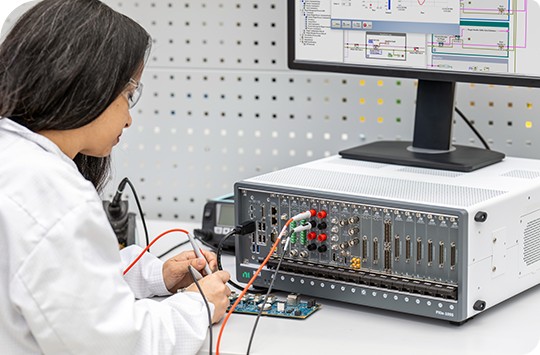
For a deeper understanding of how ISO standards apply to hardware testing, see our guide on hardware validation ISO electronics testing.
Why ISO Standards Matter in Electronic Component Quality Control
ISO standards serve as the backbone of quality assurance in electronics manufacturing. They establish globally accepted criteria for inspecting, testing, and documenting the characteristics of electronic parts. By following electronic component inspection ISO guidelines, organizations can:
- Minimize the risk of counterfeit or substandard components entering the supply chain
- Ensure traceability and accountability throughout production and distribution
- Meet regulatory and customer requirements in international markets
- Reduce warranty claims, recalls, and reputational damage
ISO certification is also a mark of credibility, signaling to partners and clients that a company is committed to best practices. For more on the broader significance of ISO certification, refer to this overview of the importance of ISO certification.
Key ISO Standards for Electronic Component Inspection
Several ISO standards are particularly relevant to the inspection and testing of electronic components. The most widely adopted include:
- ISO 9001: Quality Management Systems – Sets out the criteria for a quality management system, including requirements for inspection and testing processes.
- ISO/IEC 17025: Testing and Calibration Laboratories – Specifies the general requirements for the competence of testing and calibration laboratories, ensuring that inspection results are reliable and traceable.
- ISO 2859: Sampling Procedures for Inspection by Attributes – Provides guidelines for statistical sampling plans, which are crucial for batch inspections of electronic parts.
- ISO 11462: Guidelines for Implementation of Statistical Process Control (SPC) – Supports continuous improvement and monitoring of inspection processes.
In addition, sector-specific standards such as ISO/TS 16949 for automotive electronics and IEC 61340 for electrostatic discharge (ESD) protection may apply depending on the application.
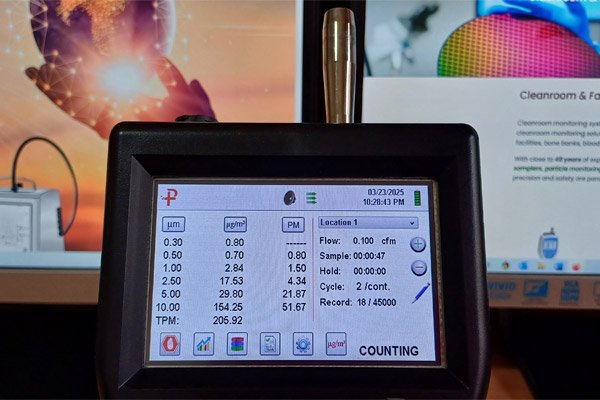
Inspection Procedures Aligned with ISO Guidelines
Implementing electronic component inspection ISO guidelines involves a combination of visual, mechanical, and electrical tests. The process typically includes:
- Visual Inspection: Checking for physical defects, incorrect markings, or signs of tampering. This step helps identify counterfeit or damaged parts before further testing.
- Dimensional Verification: Measuring component dimensions against datasheet specifications using calibrated tools.
- Electrical Testing: Assessing parameters such as resistance, capacitance, and voltage ratings to confirm functionality.
- Environmental and Stress Testing: Subjecting components to temperature, humidity, vibration, or ESD to evaluate durability and compliance with relevant standards.
- Documentation and Traceability: Recording inspection results, lot numbers, and supplier information to ensure traceability as required by ISO 9001 and ISO/IEC 17025.
For organizations seeking to strengthen their inspection protocols, it’s beneficial to integrate these steps with broader quality management systems and continuous improvement initiatives.
Common Challenges in Meeting ISO Requirements
While ISO standards provide a clear framework, practical implementation can present challenges:
- Counterfeit Components: The global supply chain is vulnerable to counterfeit parts, which may pass basic visual checks but fail under more rigorous testing.
- Documentation Gaps: Incomplete or inconsistent record-keeping can undermine traceability and lead to non-compliance during audits.
- Resource Constraints: Smaller organizations may struggle to invest in advanced testing equipment or training for staff.
- Rapid Technological Change: As new component types and manufacturing methods emerge, inspection protocols must evolve to keep pace.
Addressing these challenges requires ongoing training, investment in technology, and a culture of continuous improvement.
Best Practices for Achieving ISO-Compliant Component Inspection
To ensure compliance with electronic component inspection ISO guidelines, consider these best practices:
- Establish Clear Procedures: Document inspection steps, acceptance criteria, and escalation processes for non-conforming parts.
- Invest in Training: Regularly train staff on ISO requirements, inspection techniques, and counterfeit detection.
- Leverage Automation: Use automated optical inspection (AOI) and test systems to improve accuracy and throughput.
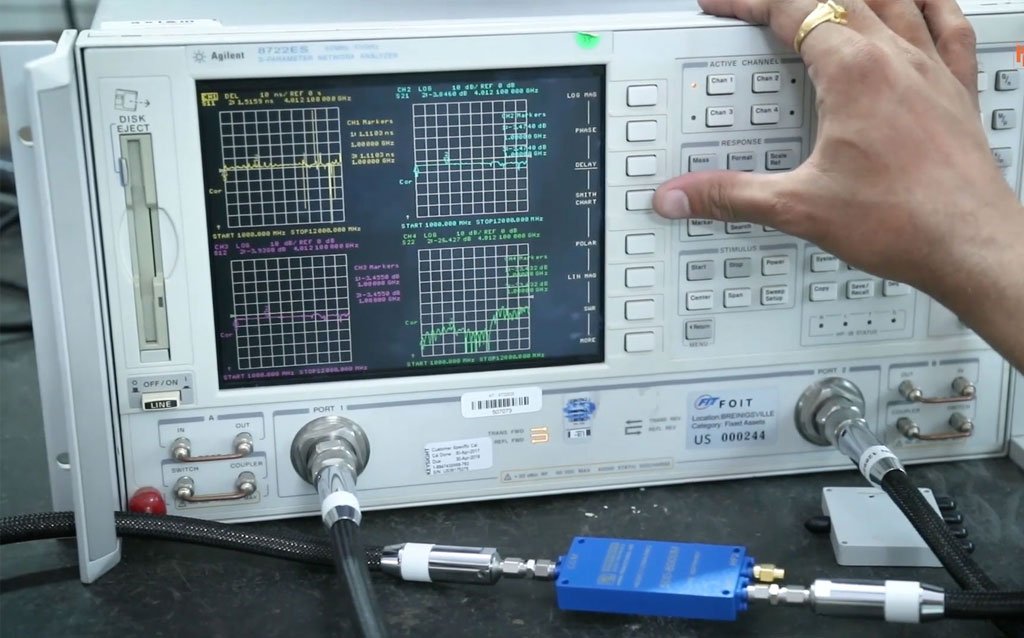
- Maintain Calibration: Ensure all measurement and test equipment is regularly calibrated according to ISO/IEC 17025.
- Conduct Internal Audits: Periodically review inspection records and processes to identify areas for improvement.
For a closer look at how these practices apply to specific component types, see our resources on component testing ISO electronics standards and PCB testing ISO standards explained.
Impact of ISO Compliance on the Electronics Industry
Adhering to ISO standards for component inspection has far-reaching benefits. For manufacturers, it means fewer defects, lower costs from rework or recalls, and improved market access. For end-users, it translates to safer, more reliable products. ISO compliance also supports sustainability by reducing waste and promoting responsible sourcing.
As the electronics industry continues to globalize, the importance of harmonized standards will only increase. Companies that prioritize ISO-aligned inspection processes are better positioned to compete and innovate in a rapidly changing marketplace.
If you’re involved in semiconductor manufacturing, our semiconductor testing ISO compliance guide provides detailed insights into sector-specific requirements.
Frequently Asked Questions
What are the main ISO standards for electronic component inspection?
The most relevant ISO standards include ISO 9001 for quality management, ISO/IEC 17025 for testing and calibration laboratories, ISO 2859 for sampling procedures, and ISO 11462 for statistical process control. Depending on the application, additional sector-specific standards may apply.
How do ISO guidelines help prevent counterfeit electronic components?
ISO guidelines require rigorous inspection, documentation, and traceability throughout the supply chain. By following these protocols, organizations can detect and isolate counterfeit parts before they enter production, reducing the risk of failures and recalls.
What steps should companies take to comply with ISO inspection requirements?
Companies should establish documented inspection procedures, invest in staff training, use calibrated equipment, and maintain thorough records. Regular internal audits and continuous improvement initiatives are also essential for maintaining compliance.
Where can I learn more about ISO standards for circuit and board testing?
For more information on related topics, explore our articles on circuit testing ISO requirements explained and PCB testing ISO standards explained.
