

Ensuring the reliability and safety of electronic assemblies is a critical concern for manufacturers, engineers, and quality assurance professionals. Board level testing ISO electronics guide procedures are essential for verifying that printed circuit boards (PCBs) and electronic assemblies meet stringent international standards. These processes not only help in detecting faults early in the production cycle but also support compliance with global regulatory requirements. By following recognized ISO protocols, organizations can minimize defects, reduce costs, and deliver products that perform consistently in the field.
For those seeking a deeper understanding of related standards and their practical application, the signal integrity testing ISO standards explained article provides valuable insights into maintaining high-quality signal performance in electronic hardware.

Understanding ISO Standards for Board-Level Electronics
The International Organization for Standardization (ISO) establishes globally recognized benchmarks for quality, safety, and efficiency. In the context of electronic assemblies, several ISO standards are particularly relevant, including ISO 9001 (quality management systems), ISO 14001 (environmental management), and ISO/IEC 17025 (testing and calibration laboratories). These standards guide manufacturers in developing robust procedures for board-level testing, ensuring that each product meets both customer expectations and regulatory demands.
For example, ISO 9001 emphasizes a process-driven approach to quality assurance, requiring documented procedures, regular audits, and continuous improvement. ISO 14001 focuses on minimizing environmental impact during manufacturing and testing, while ISO/IEC 17025 ensures the technical competence of testing laboratories. Adhering to these standards is not just about compliance; it’s about building trust with customers and stakeholders.
Key Procedures in Board-Level ISO Electronics Testing
Effective board-level testing involves a series of structured steps designed to identify defects, verify functionality, and document results. The following procedures are commonly integrated into a comprehensive ISO electronics guide for PCB and assembly validation:
- Visual Inspection: The first line of defense, visual checks catch obvious defects such as solder bridges, missing components, or misalignments. Automated Optical Inspection (AOI) systems are often used to speed up and standardize this process.
- In-Circuit Testing (ICT): This method uses a bed-of-nails fixture or flying probe to test individual components and connections on the board. ICT can detect open circuits, shorts, and incorrect component values.
- Functional Testing: Here, the board is powered up and tested under simulated operating conditions. Functional tests verify that the assembly performs as intended, responding correctly to input signals and producing expected outputs.
- Boundary Scan Testing: Using the IEEE 1149.1 (JTAG) standard, boundary scan allows for testing of interconnections without physical probes, which is especially useful for high-density or complex assemblies.
- Environmental and Stress Testing: Boards may be subjected to temperature cycling, humidity, vibration, and other stressors to ensure reliability under real-world conditions.

Documentation and Traceability in ISO-Compliant Testing
A cornerstone of ISO-based board-level validation is thorough documentation. Every test performed, result obtained, and corrective action taken must be recorded. This traceability ensures that issues can be tracked to their source and that products can be recalled or serviced efficiently if problems arise in the field.
Test reports typically include:
- Unique identification for each board or assembly
- Details of test procedures and equipment used
- Results of each test, including pass/fail status
- Notes on any rework or repairs performed
- Signatures or digital approvals from responsible personnel
Maintaining this level of documentation not only satisfies ISO requirements but also supports continuous improvement by providing data for root cause analysis and process optimization.
Integrating Environmental and EMC Testing
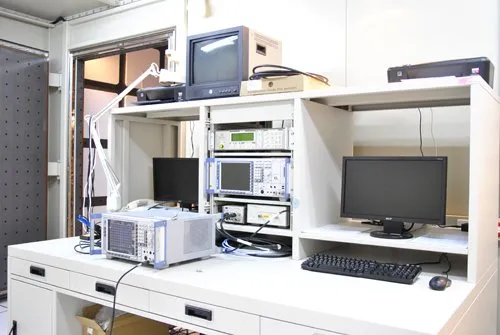
Modern electronics must operate reliably in a variety of environments and comply with electromagnetic compatibility (EMC) regulations. ISO standards guide manufacturers in integrating these tests into their board-level validation processes. Environmental testing exposes assemblies to temperature extremes, humidity, and mechanical shock, while EMC testing evaluates susceptibility to and emission of electromagnetic interference.
For a more in-depth look at ISO requirements for electronic components, the electronic component inspection ISO guidelines resource covers inspection protocols and documentation best practices.
Benefits of Following ISO Board-Level Testing Procedures
Adhering to a structured ISO electronics guide for board-level validation offers multiple advantages:
- Enhanced Product Reliability: Early detection of defects reduces the risk of field failures and costly recalls.
- Regulatory Compliance: Meeting ISO standards is often a prerequisite for selling products in global markets.
- Customer Confidence: Consistent quality builds trust and strengthens brand reputation.
- Process Improvement: Data-driven analysis of test results supports ongoing optimization of manufacturing processes.
- Environmental Responsibility: Compliance with ISO 14001 helps minimize environmental impact and supports sustainability initiatives.
Organizations with experience in ISO 14001, for instance, demonstrate a commitment to environmentally responsible manufacturing. For more information on this topic, see this overview of ISO 14001 experience in electronics manufacturing.
Common Challenges and Best Practices
Implementing robust board-level validation procedures is not without its challenges. Common issues include keeping up with evolving standards, managing the complexity of modern assemblies, and ensuring that test equipment remains calibrated and up to date. Best practices to address these challenges include:
- Regular training for staff on the latest ISO requirements and testing techniques
- Investing in automated test equipment to improve consistency and throughput
- Establishing clear communication channels between design, manufacturing, and quality teams
- Conducting periodic audits to identify gaps and opportunities for improvement
For those interested in broader aspects of quality assurance, the circuit testing ISO requirements explained article delves into quality assurance strategies for electronic circuits.
How Board-Level Testing Fits into the Electronics Manufacturing Lifecycle
Board-level validation is a critical stage in the electronics manufacturing process. It typically occurs after assembly but before final product integration. By catching issues early, manufacturers can avoid costly downstream failures and ensure that only fully functional assemblies move forward. This approach aligns with a broader quality management philosophy, where prevention is prioritized over correction.
For further reading on quality control at the PCB stage, PCB testing ISO standards explained offers a comprehensive overview of quality control measures for boards.
FAQ
What are the main ISO standards relevant to board-level electronics testing?
The most commonly referenced ISO standards include ISO 9001 for quality management, ISO 14001 for environmental management, and ISO/IEC 17025 for laboratory competence. These standards provide frameworks for establishing, documenting, and maintaining effective testing procedures.
Why is traceability important in ISO-compliant board-level testing?
Traceability ensures that every test, result, and corrective action is documented and linked to a specific product or batch. This is crucial for identifying the root cause of failures, supporting recalls, and demonstrating compliance during audits.
How does environmental and EMC testing fit into ISO electronics validation?
Environmental and EMC tests are integrated into the validation process to ensure that products can withstand real-world conditions and comply with regulatory requirements for electromagnetic compatibility. These tests are guided by ISO standards and are essential for product reliability and market access.
