

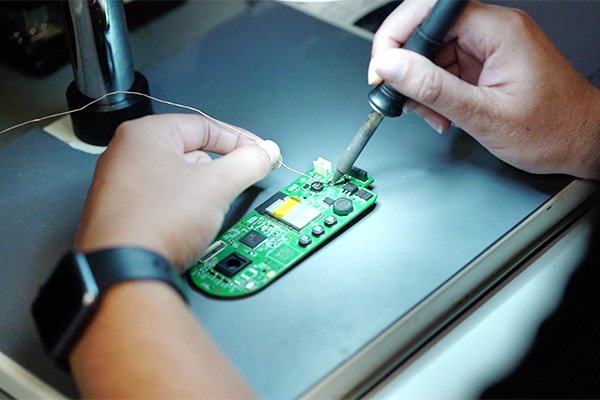
Reliable and efficient power supply design in electronic products is fundamental to the performance, safety, and longevity of modern devices. Whether developing consumer electronics, industrial controllers, or medical equipment, a well-designed power system ensures that every component receives stable voltage and current, minimizing the risk of malfunction or damage. As electronic devices become more compact and complex, the demands on their power architecture continue to grow, making thoughtful design more critical than ever.
In this guide, we’ll explore the essential principles, challenges, and best practices for creating robust power solutions for electronic devices. We’ll also discuss how power supply choices impact factors like efficiency, thermal management, and compliance with global standards. For those interested in related topics, the electronic product design performance testing guide offers valuable insights into ensuring your designs meet stringent quality benchmarks.
Key Principles of Power Supply Architecture
Effective power supply design in electronic products starts with a clear understanding of the device’s requirements. The following principles guide the selection and implementation of power systems:
- Voltage and Current Needs: Identify the voltage rails and current demands for each subsystem. Overestimating leads to inefficiency, while underestimating risks instability.
- Efficiency: High-efficiency designs reduce heat generation and prolong battery life, which is especially important for portable devices.
- Regulation and Stability: Voltage regulators and feedback mechanisms maintain consistent output despite variations in load or input voltage.
- Protection: Incorporate safeguards such as overcurrent, overvoltage, and thermal shutdown to prevent damage from faults.
- EMI/EMC Compliance: Proper filtering and layout minimize electromagnetic interference and ensure regulatory compliance.
Types of Power Supplies Used in Electronics
Choosing the right type of power source is crucial for device performance and cost-effectiveness. The main categories include:
- Linear Power Supplies: Simple and low-noise, these are ideal for sensitive analog circuits but tend to be less efficient due to heat dissipation.
- Switch-Mode Power Supplies (SMPS): Highly efficient and compact, SMPS are common in modern electronics but require careful design to manage noise and electromagnetic compatibility.
- Battery-Based Systems: Portable devices rely on batteries, often with integrated charging and protection circuits to ensure safety and longevity.
- Hybrid Solutions: Some products combine multiple supply types to balance efficiency, noise, and redundancy.

Design Considerations for Modern Devices
Modern electronics present unique challenges for power system engineers. Here are some of the most important considerations:
Miniaturization and Integration
As devices shrink, so must their power supplies. Designers must balance the need for small form factors with heat dissipation, component spacing, and manufacturability. Techniques like multi-layer PCBs and integrated power modules help achieve compact layouts.
Thermal Management
Efficient power supply design in electronic products must address heat buildup. Excessive temperatures can degrade performance and shorten component life. Solutions include heat sinks, thermal vias, and strategic placement of high-power components.
Noise and Interference
Switching regulators and high-frequency circuits can introduce noise that affects sensitive analog or RF sections. Shielding, careful PCB layout, and proper grounding are essential to minimize these effects.
Compliance and Safety
Products must meet global standards for safety and electromagnetic compatibility. This involves selecting certified components, designing for isolation where needed, and performing rigorous testing. For a deeper dive into related regulatory and design topics, see the electronic product localization considerations article.
Best Practices for Efficient Power Solutions
To achieve optimal performance, consider these best practices:
- Accurate Load Analysis: Profile the device’s power consumption under all operating conditions to size supplies appropriately.
- Component Selection: Choose components with proven reliability, appropriate ratings, and good availability to avoid supply chain issues.
- PCB Layout Optimization: Keep high-current paths short and wide, separate analog and digital grounds, and use decoupling capacitors close to ICs.
- Thermal Simulation: Use simulation tools to predict hotspots and validate cooling strategies before prototyping.
- Testing and Validation: Perform comprehensive testing, including load, line, and environmental stress tests, to ensure robust operation.

Impact of Power System Choices on Product Lifecycle
The selection and implementation of a power solution can significantly affect a product’s cost, reliability, and maintainability. Efficient designs reduce energy consumption and heat, which can lower warranty claims and extend device lifespan. Conversely, inadequate power systems may lead to premature failures or costly recalls.
For those analyzing the broader financial implications, the electronic product lifecycle cost analysis guide provides insights into how design decisions influence long-term expenses.
Collaboration and Outsourcing in Power System Engineering
Many organizations partner with specialized firms to optimize their power architectures, especially for complex or regulated markets. Working with experienced design and engineering teams can help navigate technical challenges, accelerate development, and ensure compliance. For more on this approach, explore professional design and engineering services for electronic products to see how external expertise can enhance your project outcomes.
Frequently Asked Questions
What are the main challenges in designing power supplies for compact devices?
Miniaturization increases the risk of heat buildup, electromagnetic interference, and component crowding. Designers must carefully manage thermal paths, optimize PCB layouts, and select efficient components to ensure reliability in small spaces.
How does power supply efficiency affect electronic product performance?
Higher efficiency reduces heat generation and power loss, which can extend battery life, improve device stability, and lower cooling requirements. Inefficient designs may lead to overheating and reduced operational lifespan.
Why is electromagnetic compatibility important in power supply design?
Electromagnetic compatibility (EMC) ensures that the device does not emit excessive interference or become susceptible to external noise. Proper EMC practices help meet regulatory standards and prevent malfunctions in both the device and nearby electronics.
Conclusion
Developing a robust and efficient power system is a cornerstone of successful electronic product design. By understanding the unique requirements of each application, applying best practices, and leveraging expert resources, engineers can create solutions that deliver performance, safety, and reliability. For more technical guidance, the electronic product design pcb material selection article offers further insights into optimizing your device at the board level, while the electronic product mechanical integration guide explores the interplay between electrical and mechanical design.
