

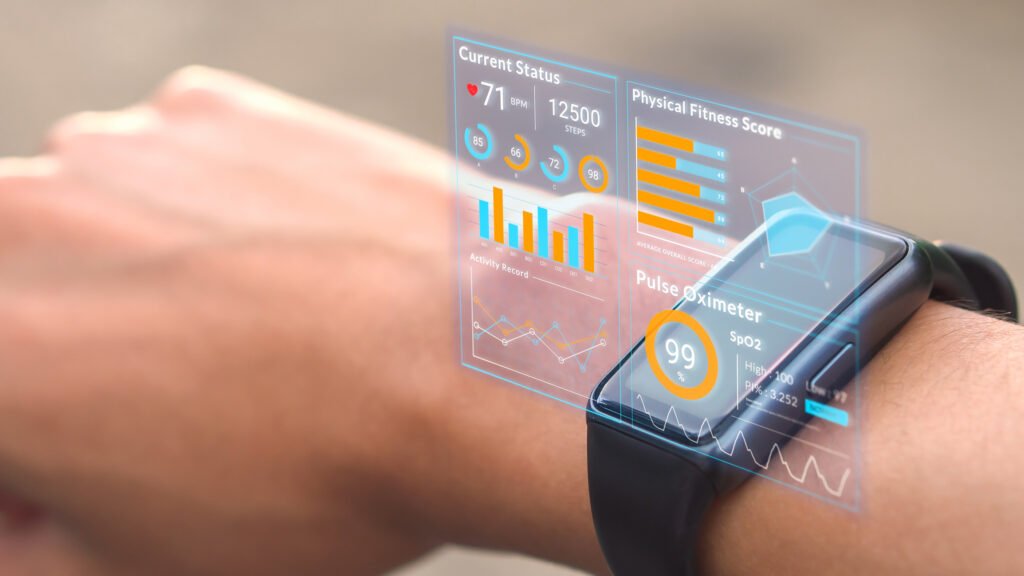
MVP development for wearables is transforming how companies approach innovation in the fast-evolving landscape of smart devices. By focusing on building a Minimum Viable Product (MVP), businesses can validate ideas, reduce risk, and accelerate time-to-market for wearable technology. This approach is especially valuable in a sector where user needs, hardware constraints, and integration challenges are constantly shifting.
Wearable devices—ranging from fitness trackers and smartwatches to medical monitors—require a unique blend of hardware and software expertise. Developing an MVP allows teams to test core assumptions, gather real-world feedback, and iterate quickly before investing heavily in full-scale production. For those new to this process, understanding the essential steps and best practices is crucial for success.
For a deeper dive into the broader process of integrating electronics into products, the electronic product design system integration guide offers valuable insights that complement the MVP journey for wearables.
Understanding the MVP Approach in Wearable Tech
The concept of a Minimum Viable Product is to launch a version of your wearable device that includes only the most essential features needed to solve a core problem or deliver primary value. This lean approach helps teams avoid overengineering and enables faster validation with real users. In the context of wearables, this often means prioritizing critical hardware functions, basic connectivity, and a streamlined user interface.
Key benefits of starting with an MVP in the wearable sector include:
- Faster feedback cycles from early adopters
- Reduced development costs and technical risk
- Ability to pivot or refine features based on real-world usage
- Early market entry and potential for competitive advantage
Core Steps in MVP Development for Wearables
Building a successful MVP for a wearable device involves several critical phases. Each step is designed to maximize learning and minimize wasted effort.

1. Defining the Problem and User Needs
Start by identifying the specific problem your wearable aims to solve. Is it health monitoring, activity tracking, or another function? Engage with target users to understand their pain points and expectations. This research will shape your MVP’s feature set and ensure you focus on what matters most.
2. Selecting Essential Features
Resist the urge to include every possible function. Instead, choose the smallest set of features that deliver core value. For a fitness tracker, this might be step counting and heart rate monitoring. For a medical wearable, it could be basic vital sign tracking and secure data transmission.
3. Hardware and Software Prototyping
Wearable MVPs require both physical prototypes and software development. Use rapid prototyping tools for hardware (such as 3D printing or modular electronics) and agile methods for software. Focus on reliable sensor integration, battery life, and basic connectivity (Bluetooth, Wi-Fi).
For those interested in the documentation aspect, the electronic product design documentation workflow can help structure your process for clarity and compliance.
4. User Testing and Iteration
Deploy your MVP to a small group of early users. Gather feedback on usability, comfort, and performance. Use this data to refine both hardware and software. Iteration at this stage is essential—many successful wearables go through multiple MVP cycles before reaching the market.
5. Preparing for Scale and Compliance
Once your MVP is validated, begin planning for mass production, regulatory approvals, and integration with broader ecosystems (such as health apps or IoT platforms). Consider safety standards and performance testing, referencing resources like the electronic product design performance testing guide for best practices.
Challenges Unique to Wearable MVPs
Developing MVPs for wearables comes with its own set of hurdles. Unlike pure software products, wearables must address physical comfort, battery constraints, and environmental durability. Additional challenges include:
- Ensuring reliable sensor data in real-world conditions
- Balancing miniaturization with usability
- Managing wireless connectivity and data security
- Meeting regulatory requirements for health or safety
According to a recent study on wearable medical devices, early-stage prototypes often reveal unforeseen issues with sensor accuracy and user comfort, highlighting the importance of real-world testing in the MVP stage.
Best Practices for MVP Success in Wearable Devices
To maximize the impact of your MVP in the wearable space, consider these practical tips:
- Prioritize user experience: Comfort, ease of use, and intuitive interfaces are critical for adoption.
- Use modular hardware: Design with flexibility in mind to simplify future upgrades or feature additions.
- Focus on data privacy: Implement robust security measures from the start, especially for health-related devices.
- Plan for scalability: Choose components and architectures that can support future growth and integration.
- Document thoroughly: Maintain clear records of design decisions, test results, and user feedback to streamline regulatory approval and future development. The electronic product design reliability engineering basics resource provides helpful guidance on building robust, dependable devices.
Integrating MVPs with Broader Product Strategies
An MVP is not the final product, but a stepping stone toward a market-ready solution. Use insights gained from early testing to refine your product roadmap, prioritize new features, and build partnerships with ecosystem players. Consider how your wearable will fit into larger systems, such as health platforms or smart home networks.
For those comparing safety standards across regions or industries, the electronic product design safety standards comparison can help ensure your device meets all necessary requirements before scaling up.
FAQ
What is the main advantage of using an MVP approach for wearable technology?
The primary benefit is the ability to validate core assumptions quickly and cost-effectively. By focusing on essential features, teams can test real-world performance, gather user feedback, and make informed decisions before committing to full-scale development.
How do you choose which features to include in a wearable MVP?
Start by identifying the core problem your device solves and the minimum functionality required to address it. Engage with target users to prioritize features that deliver immediate value, and avoid adding extras that can be tested in later iterations.
What are common pitfalls in MVP development for wearables?
Frequent mistakes include overcomplicating the initial prototype, neglecting user comfort, underestimating hardware challenges, and failing to plan for regulatory compliance. Staying focused on user needs and iterative testing helps avoid these issues.
