

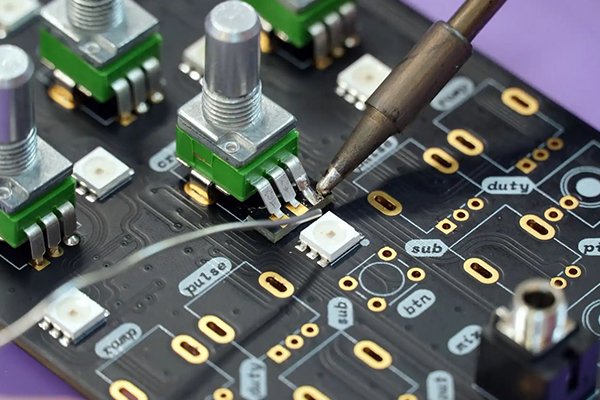
As electronic devices become more compact and sophisticated, the demand for multilayer PCB design has grown rapidly. These advanced circuit boards are essential for supporting high-density components, complex routing, and enhanced electrical performance in modern electronics. Whether you are an engineer, product designer, or electronics enthusiast, understanding the principles and best practices of multilayer PCB layout is crucial for successful product development.
This guide covers the fundamentals of multilayer printed circuit board design, including stackup planning, signal integrity, manufacturing considerations, and practical tips for optimizing your workflow. For those interested in the broader process of integrating electronics into products, the electronic product design system integration guide provides valuable context and strategies.
Understanding Multilayer PCB Structures
Unlike single or double-sided boards, multilayer PCBs consist of three or more conductive copper layers, separated by insulating materials called dielectrics. These layers are laminated together under heat and pressure, forming a compact, robust structure. The main advantages of multilayer boards include:
- Increased circuit density for complex designs
- Improved signal integrity and reduced electromagnetic interference (EMI)
- Smaller board size for compact devices
- Enhanced power distribution and thermal management
Common applications for multilayer PCBs range from smartphones and computers to industrial controls and automotive electronics. The choice of layer count—typically 4, 6, 8, or more—depends on the complexity and performance requirements of the device.

Key Steps in Multilayer PCB Design Workflow
Developing a reliable multilayer circuit board involves several critical steps. Each phase requires careful planning and attention to detail to ensure manufacturability and optimal performance.
1. Stackup Planning and Layer Arrangement
The PCB stackup defines the order and function of each layer, including signal, power, and ground planes. A well-designed stackup minimizes crosstalk, controls impedance, and supports effective power distribution. Typical stackup configurations include:
- 4-layer: Signal – Ground – Power – Signal
- 6-layer: Signal – Ground – Signal – Power – Ground – Signal
- Higher layer counts for advanced applications
When planning the stackup, consider the following:
- Place ground and power planes adjacent to signal layers for shielding
- Balance the stackup to reduce warping during manufacturing
- Match impedance for high-speed signals
2. Schematic Capture and Netlist Preparation
Begin by creating a detailed schematic diagram, defining all components and their interconnections. Generating a netlist from the schematic ensures accurate transfer of connectivity information to the PCB layout tool. This step is foundational for error-free board design and helps avoid costly revisions.
3. Component Placement
Strategic placement of components is vital for signal integrity, thermal management, and assembly efficiency. Key guidelines include:
- Group related components to minimize trace lengths
- Place high-speed and sensitive components close to connectors or relevant ICs
- Allow adequate spacing for heat dissipation
- Follow manufacturer recommendations for orientation and spacing
4. Routing and Via Management
Routing traces on a multilayer board requires balancing signal paths, power delivery, and manufacturability. Use the following best practices:
- Route high-speed signals on inner layers between ground planes to reduce EMI
- Minimize the use of vias, as they add inductance and can affect signal quality
- Use differential pairs and controlled impedance traces for high-frequency signals
- Separate analog and digital signals to prevent interference
For more details on documentation and workflow, refer to the electronic product design documentation workflow article.

Signal Integrity and Power Distribution in Multilayer Boards
Maintaining signal integrity is a top priority in multilayer PCB projects. Poor signal quality can lead to data errors, EMI, and device malfunction. Here are some strategies to enhance signal performance:
- Use solid ground planes to provide a low-impedance return path
- Route critical signals over continuous reference planes
- Maintain consistent trace width and spacing for controlled impedance
- Minimize stubs and avoid sharp corners in traces
Effective power distribution is equally important. Dedicated power and ground planes reduce voltage drops and noise, supporting stable operation of all components. Decoupling capacitors should be placed close to IC power pins to filter out high-frequency noise.
Manufacturing Considerations for Multilayer PCBs
Designing for manufacturability ensures that your board can be produced reliably and cost-effectively. Consider the following factors:
- Choose appropriate materials (FR-4, high-speed laminates) based on frequency and thermal requirements
- Specify minimum trace width, spacing, and via sizes according to manufacturer capabilities
- Balance copper distribution to prevent board warping
- Provide clear fabrication drawings and assembly instructions
Collaborating with your PCB manufacturer early in the design process helps avoid delays and costly redesigns. For a deeper dive into electronics design and manufacturing, the electronics design resource offers comprehensive insights.
Testing, Validation, and Reliability
After fabrication, thorough testing and validation are essential to ensure your multilayer PCB meets design specifications. Common testing methods include:
- Automated optical inspection (AOI) for detecting defects
- Electrical testing for continuity and isolation
- Functional testing under real-world conditions
Reliability is especially important for mission-critical applications. For guidance on ensuring robust performance, see the electronic product design reliability engineering basics article.
Practical Tips for Successful Multilayer PCB Projects
- Start with a clear set of requirements and constraints
- Use advanced PCB design software with support for multilayer stackups and DRC (design rule checks)
- Communicate closely with your manufacturing partner
- Document all design decisions and changes for future reference
- Plan for scalability and future revisions in your layout
For those working on safety-critical products, comparing standards is crucial. The electronic product design safety standards comparison can help you navigate regulatory requirements.
Frequently Asked Questions
What are the main benefits of using multilayer PCBs?
Multilayer boards allow for higher circuit density, improved signal integrity, and more efficient power distribution. They enable compact designs and support advanced features in modern electronics.
How do I choose the right number of layers for my PCB?
The ideal layer count depends on your circuit complexity, signal speed, and space constraints. Simple designs may use 4 layers, while high-speed or high-density applications often require 6, 8, or more layers.
What are common challenges in multilayer PCB design?
Key challenges include managing signal integrity, ensuring manufacturability, balancing cost, and meeting thermal requirements. Careful stackup planning and close collaboration with manufacturers help address these issues.
By following the principles and best practices outlined in this multilayer PCB design guide, you can create reliable, high-performance circuit boards for a wide range of electronic applications.
