

The ISO testing process for electronic products is a critical pathway for manufacturers and engineers aiming to ensure that their devices meet international standards for quality, safety, and performance. Whether you are developing consumer electronics, industrial controllers, or specialized equipment, understanding the structured approach to ISO compliance can streamline product launches, reduce costly recalls, and build trust with customers and regulators.
This guide breaks down the essential steps, from initial planning to final certification, highlighting best practices and common challenges. Along the way, you’ll find practical insights and direct links to further resources, including an electronic product design system integration guide that can help you align your testing strategy with broader product development goals.
Understanding ISO Standards in Electronics
ISO, or the International Organization for Standardization, develops globally recognized benchmarks covering everything from product safety to environmental impact. For electronics, some of the most relevant standards include:
- ISO 9001 – Quality management systems
- ISO 14001 – Environmental management
- ISO/IEC 17025 – Testing and calibration laboratories
- ISO 13485 – Medical device quality management
Compliance with these standards is not only a mark of product excellence but often a legal or contractual requirement in many markets. The ISO testing process for electronic products ensures that devices are reliable, safe, and ready for global distribution.
Preparing for ISO Compliance Testing
Preparation is key to a smooth certification journey. Begin by reviewing the specific ISO standards that apply to your product category. This may involve:
- Identifying applicable standards based on product function and target markets
- Gathering technical documentation, including schematics, bills of materials, and prior test reports
- Setting up a cross-functional team to manage compliance, documentation, and testing
Early alignment between engineering, quality assurance, and regulatory teams helps avoid delays and ensures that all necessary requirements are addressed from the outset.
Step-by-Step Breakdown of the ISO Testing Process for Electronic Products
The journey to ISO certification typically follows a structured sequence. Here’s a detailed look at each phase:
1. Initial Product Assessment
Start with a comprehensive review of your device’s design, intended use, and target markets. This assessment helps determine which ISO standards and test protocols are relevant. It’s also the stage to identify any unique risks or compliance challenges.
2. Test Planning and Documentation
Develop a detailed test plan outlining:
- Test objectives and acceptance criteria
- Required equipment and facilities
- Sample sizes and test sequences
- Documentation protocols for traceability
For more on documentation best practices, consider referencing an electronic product design documentation workflow to ensure your records meet ISO audit requirements.
3. Laboratory Testing and Validation
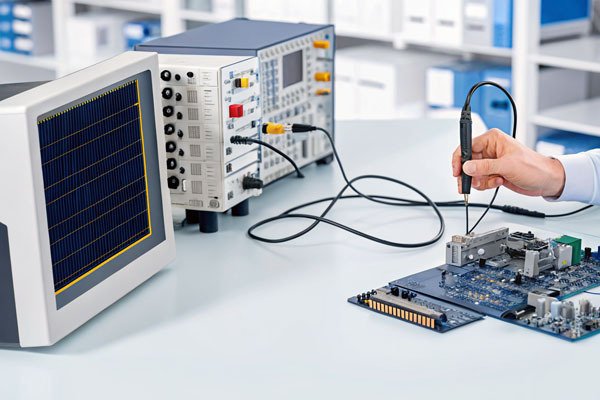
Testing is performed in accredited laboratories, either in-house or through third-party partners. Common tests for electronics include:
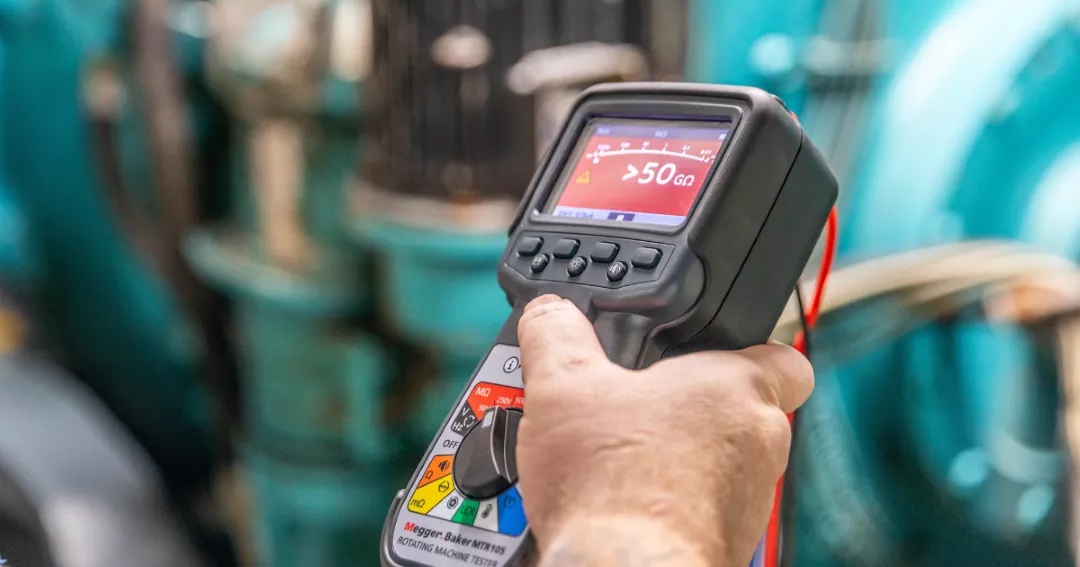
- Electrical safety (e.g., insulation resistance, dielectric strength)
- Electromagnetic compatibility (EMC)
- Environmental stress (temperature, humidity, vibration)
- Performance and functional validation

All results must be meticulously recorded, with clear traceability back to the test plan and product samples.
4. Analysis of Results and Corrective Actions
Once testing is complete, results are analyzed against the acceptance criteria. If any failures or deviations are found, corrective actions must be documented and implemented. This may involve design modifications, process improvements, or additional testing cycles.
5. Compilation of the Technical File
A technical file is assembled, containing:
- Test reports and certificates
- Design and manufacturing records
- Risk assessments and mitigation plans
- Compliance declarations
This file serves as evidence of conformity and is essential for audits or regulatory inspections.
6. Certification and Ongoing Surveillance
After successful completion of all steps, a certification body reviews your documentation and issues the relevant ISO certificate. Many standards require periodic surveillance audits to maintain certification, so ongoing compliance and record-keeping are vital.
Key Considerations for Effective ISO Testing in Electronics
While the steps above provide a general roadmap, several factors can influence the success of your compliance efforts:
- Traceability: Maintaining clear records of every test, sample, and change is essential. For a deeper dive into why traceability and ISO certifications remain crucial in electronics, see this analysis of traceability and ISO certifications in electronics.
- Product Complexity: More complex devices may require additional or specialized testing, such as software validation or interoperability checks.
- Market Requirements: Some regions or industries have additional standards beyond ISO, such as CE marking in Europe or FCC compliance in the US.
- Continuous Improvement: Use test results and audit findings to drive ongoing product and process enhancements.
Common Challenges and How to Overcome Them
Manufacturers and developers often face hurdles during the ISO testing process for electronic products. Some of the most frequent challenges include:
- Incomplete Documentation: Missing or inconsistent records can delay certification. Use standardized templates and regular audits to keep documentation up to date.
- Unclear Test Requirements: Misinterpreting standards can lead to unnecessary or insufficient testing. Engage with certification bodies early to clarify expectations.
- Resource Constraints: Testing can be time-consuming and costly. Plan budgets and timelines realistically, and consider outsourcing specialized tests to accredited labs.
- Design Changes Late in the Process: Modifications after testing may require retesting. Integrate compliance checks throughout the development cycle to minimize surprises.
For additional strategies on ensuring your products meet reliability and safety benchmarks, you may find the electronic product design performance testing guide and electronic product design safety standards comparison valuable.
Integrating ISO Testing into Product Development
Embedding compliance activities into your product development workflow can save time and reduce risk. Consider the following best practices:
- Start compliance planning at the concept stage, not after design freeze
- Use cross-functional teams to address design, manufacturing, and regulatory needs simultaneously
- Leverage digital tools for documentation and traceability
- Schedule periodic reviews to catch issues early
These steps help ensure that compliance is not a last-minute hurdle but a continuous part of your innovation process. For those interested in the reliability engineering side, the electronic product design reliability engineering basics article offers further guidance.
Frequently Asked Questions
What are the most common ISO standards for electronic products?
The most widely applied ISO standards in electronics include ISO 9001 for quality management, ISO 14001 for environmental management, ISO/IEC 17025 for testing laboratories, and ISO 13485 for medical devices. Depending on your product and market, additional standards may also apply.
How long does the ISO testing process typically take?
The duration varies based on product complexity, the number of required tests, and the readiness of your documentation. For most electronic devices, the process can take anywhere from a few weeks to several months, especially if corrective actions or retesting are needed.
Can ISO testing be done in-house, or is third-party certification required?
Some preliminary tests can be performed internally if your facility is accredited, but formal certification usually requires third-party assessment by an authorized body. This ensures impartiality and global recognition of your compliance.
Conclusion
Following a structured ISO testing process for electronic products is essential for ensuring your devices meet international standards and are ready for market. By preparing thoroughly, maintaining clear documentation, and integrating compliance into your development workflow, you can streamline certification and deliver safer, more reliable products. Use the resources and best practices outlined here to guide your next project toward successful ISO compliance.
