

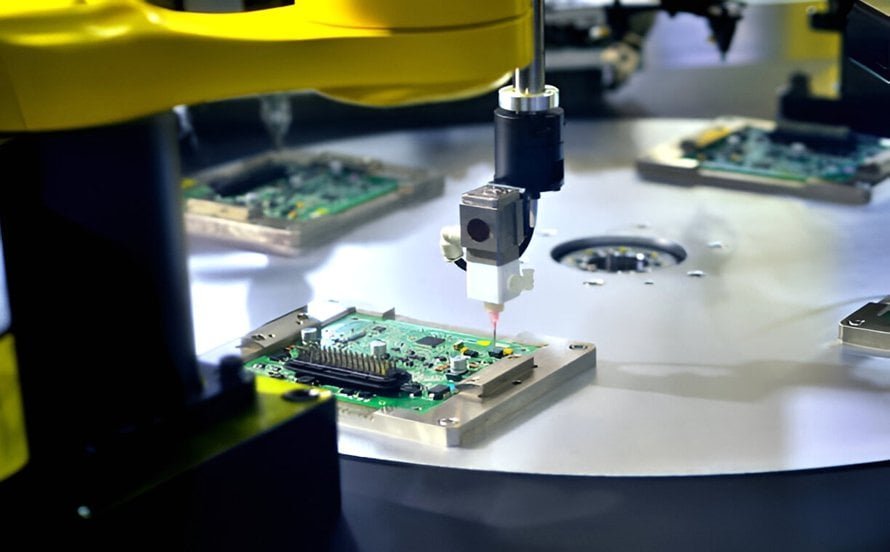
Integrating hardware and firmware is a critical step in the development of any electronic product. This process ensures that the physical components and embedded software work together seamlessly, delivering the intended functionality and performance. A well-executed integration strategy can reduce development time, minimize bugs, and improve product reliability. In this guide, we’ll discuss the essential steps, best practices, and common challenges associated with combining hardware and firmware, helping engineers and product teams achieve robust, efficient solutions.
For those interested in a broader perspective on system-level integration, the electronic product design system integration guide provides valuable insights into bringing together multiple subsystems for cohesive product performance.
Understanding the Relationship Between Hardware and Firmware
The synergy between hardware and firmware forms the backbone of modern electronic devices. Firmware is the low-level software programmed into microcontrollers or processors, directly controlling hardware operations. It acts as a bridge, translating user commands and high-level software instructions into electrical signals that drive the hardware.
Successful integration requires a deep understanding of both domains. Hardware engineers must design circuits that support firmware requirements, while firmware developers need to be aware of hardware constraints such as timing, power consumption, and signal integrity. Early and frequent communication between these teams is essential to avoid costly redesigns and delays.
Key Steps in the Hardware and Firmware Integration Process
Integrating hardware and firmware involves a series of coordinated steps. Here’s a breakdown of the typical workflow:
- Requirements Definition: Clearly outline the product’s functional and performance requirements. This includes specifying hardware interfaces, communication protocols, timing constraints, and power budgets.
- Design Phase: Hardware schematics and PCB layouts are developed in parallel with firmware architecture planning. Both teams should review each other’s designs to ensure compatibility.
- Prototyping: Initial hardware prototypes are built, and basic firmware is loaded to test fundamental operations such as power-up, reset, and communication with peripherals.
- Integration Testing: As firmware matures, more complex features are tested on the hardware. This stage often reveals issues like timing mismatches, signal noise, or unexpected behavior due to hardware limitations.
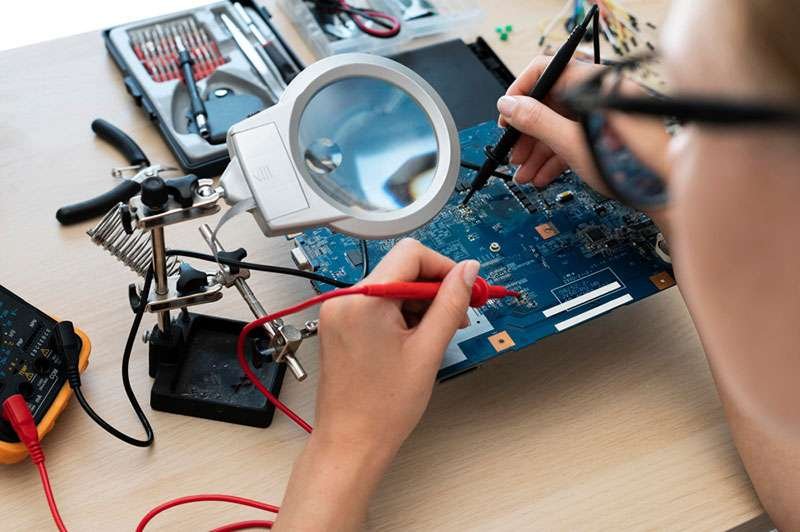
- Debugging and Optimization: Both hardware and firmware are refined to resolve bugs and improve performance. Tools such as oscilloscopes, logic analyzers, and in-circuit debuggers are invaluable during this phase.
- Validation and Verification: Comprehensive tests confirm that the integrated system meets all requirements. This includes stress testing, power analysis, and compliance checks.
Best Practices for Seamless Hardware-Firmware Collaboration
To ensure a smooth integration process, consider the following best practices:
- Early Collaboration: Involve both hardware and firmware teams from the outset. Joint design reviews help identify potential conflicts and opportunities for optimization.
- Modular Design: Develop hardware and firmware in modular blocks. This enables parallel development, easier testing, and simplified troubleshooting.
- Clear Documentation: Maintain up-to-date documentation for hardware interfaces, pin assignments, register maps, and communication protocols. This reduces misunderstandings and accelerates debugging.
- Version Control: Use version control systems for both hardware design files and firmware source code. This ensures traceability and facilitates collaboration.
- Automated Testing: Implement automated test scripts where possible to quickly verify hardware-firmware interactions after each change.
For more on maintaining clear records and workflows, the electronic product design documentation workflow article offers practical advice on managing design data throughout the development lifecycle.
Common Challenges in Hardware and Firmware Integration
Despite careful planning, integration can present several challenges:
- Timing Issues: Differences in clock domains or signal propagation can cause data corruption or missed events. Synchronization mechanisms and careful timing analysis are essential.
- Power Management: Firmware must be aware of hardware power states to avoid brownouts or excessive consumption. Hardware designers should provide adequate power sequencing and monitoring.
- Signal Integrity: High-speed signals may suffer from noise or crosstalk. Proper PCB layout and firmware-level checks can mitigate these problems.
- Debugging Complexity: Bugs may originate in either domain, making root cause analysis challenging. Cross-disciplinary debugging tools and collaborative troubleshooting are crucial.

Testing and Validation Strategies for Integrated Systems
Thorough testing is vital to ensure the reliability and safety of integrated products. Consider these strategies:
- Unit Testing: Test individual hardware modules and firmware functions separately before full integration.
- Integration Testing: Verify that hardware and firmware interact correctly under various operating conditions. Use test benches and simulation tools to replicate real-world scenarios.
- Performance Testing: Assess system speed, responsiveness, and resource utilization. The electronic product design performance testing guide provides further details on evaluating product performance.
- Environmental and Safety Testing: Ensure the system operates reliably under temperature extremes, humidity, vibration, and electrical disturbances. For more on this, refer to the electronic product design environmental testing guide and the electronic product design safety standards comparison.
Cost Considerations and Outsourcing Integration Services
Budgeting for hardware and firmware integration involves accounting for prototyping, testing, and debugging costs. Outsourcing certain aspects to specialized firms can be cost-effective, especially for startups or teams lacking in-house expertise. For a breakdown of typical expenses and what to expect when hiring outside help, see this overview of consumer electronic product design service costs.
Frequently Asked Questions
What is the difference between firmware and software in electronic products?
Firmware is embedded software programmed directly into a device’s non-volatile memory, typically controlling hardware functions at a low level. Software, on the other hand, often runs on operating systems and provides higher-level features or user interfaces. Firmware is essential for direct hardware control, while software manages broader application logic.
How can I ensure a smooth integration between hardware and firmware?
Early and ongoing collaboration between hardware and firmware teams is key. Establish clear requirements, maintain thorough documentation, and use modular design principles. Regular integration testing and open communication help catch issues early and streamline the development process.
What tools are commonly used for debugging integrated systems?
Engineers often rely on oscilloscopes, logic analyzers, in-circuit debuggers, and protocol analyzers. These tools help visualize signals, monitor communication, and trace faults across both hardware and firmware layers, making it easier to identify and resolve integration issues.
