

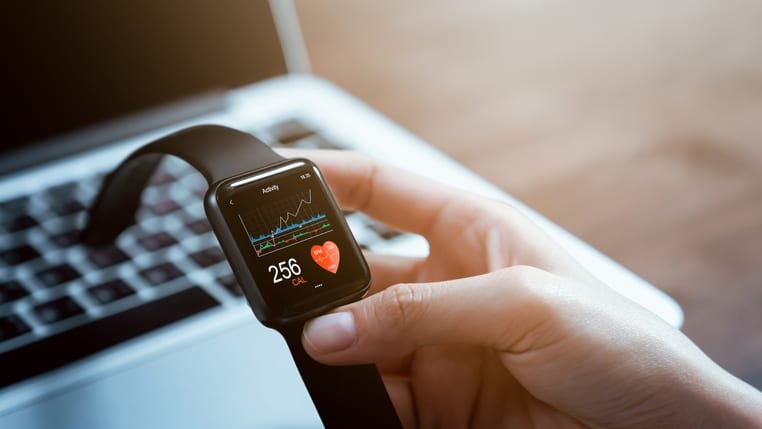
The evolution of wearable devices has transformed how people interact with technology, health, and daily life. What began as simple timekeeping tools has grown into a sophisticated ecosystem of smartwatches, fitness trackers, and health monitors. These innovations have not only changed personal habits but also impacted industries such as healthcare, sports, and entertainment.
As technology continues to advance, understanding the journey and milestones of wearable gadgets helps us appreciate their current capabilities and anticipate future trends. For those interested in the technical side of product development, the electronic product design performance testing guide offers valuable insights into the rigorous processes behind modern electronics.
Early Innovations in Body-Worn Technology
The roots of wearable technology can be traced back to the 20th century. Early examples include wristwatches and hearing aids, which were among the first devices designed to be worn on the body for convenience and functionality. These inventions laid the groundwork for the integration of electronics into everyday accessories.
In the 1960s and 1970s, researchers and inventors began experimenting with more advanced concepts. The development of calculator watches in the 1970s marked a significant step, blending timekeeping with computational power. These early devices were limited by the technology of their time but demonstrated the potential for more complex wearables.
Growth of Fitness and Health Trackers
The 21st century saw a surge in devices focused on health and fitness. Pedometers evolved into digital fitness trackers, capable of monitoring steps, heart rate, and sleep patterns. Companies like Fitbit and Garmin pioneered this market, making it easier for users to track their wellness goals.
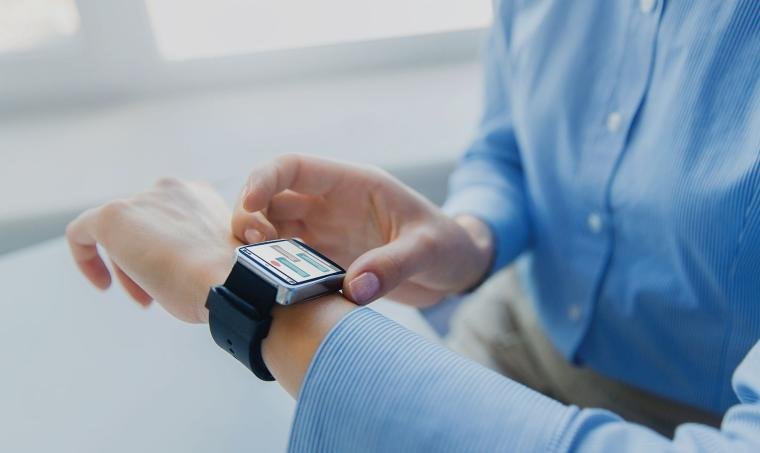
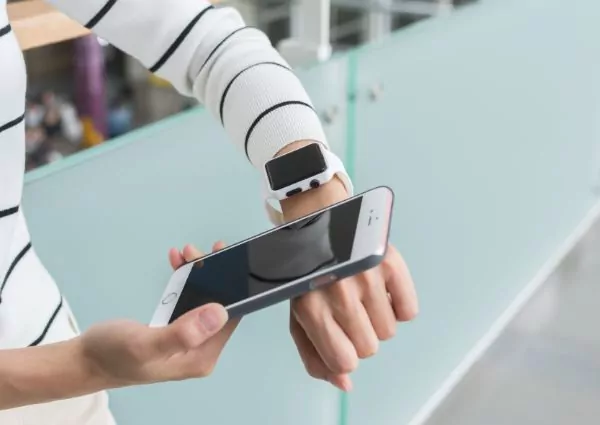
These devices became popular due to their ability to sync with smartphones, providing real-time data and personalized insights. The integration of sensors and wireless connectivity marked a new era in the evolution of wearable devices, making health monitoring accessible to millions.
Smartwatches and Expanding Capabilities
The introduction of smartwatches represented a major leap forward. Brands like Apple, Samsung, and Huawei redefined wearables by combining communication, fitness, and productivity features into a single device. Smartwatches now offer notifications, GPS tracking, mobile payments, and even ECG monitoring.
The versatility of these gadgets has made them indispensable for many users. Their ability to run apps, control smart home devices, and provide emergency alerts demonstrates how far wearable technology has come in just a few decades.
Medical and Specialized Applications
Beyond consumer markets, wearables have found critical roles in healthcare. Medical-grade devices can monitor vital signs, detect arrhythmias, and even administer medication. These innovations are improving patient outcomes and enabling remote care.
Specialized wearables, such as smart clothing and augmented reality glasses, are being used in fields like sports performance, industrial safety, and military operations. The adaptability of wearable tech continues to expand its reach and impact.
Key Drivers Behind the Transformation of Wearable Devices
Several factors have fueled the rapid progress of wearable technology. Advances in microelectronics, battery efficiency, and wireless communication have made it possible to pack more features into smaller, lighter devices. The rise of cloud computing and artificial intelligence has enabled wearables to analyze data and deliver actionable insights in real time.
Consumer demand for convenience, personalization, and health awareness has also played a significant role. As people seek more control over their well-being and daily routines, wearables have become essential tools for self-monitoring and improvement.
Challenges and Considerations for the Future
Despite impressive progress, wearable technology faces ongoing challenges. Battery life, data privacy, and device interoperability remain key concerns for both users and manufacturers. Ensuring that devices are comfortable, durable, and accessible to a wide audience is also critical.
For those involved in the development and deployment of these products, understanding the full lifecycle is important. The electronic product lifecycle cost analysis resource provides a deeper look at the financial and operational aspects of bringing wearables to market.
Emerging Trends in Wearable Technology
Looking ahead, the future of wearables is shaped by several emerging trends. Flexible displays, advanced biometric sensors, and integration with the Internet of Things (IoT) are opening new possibilities. Wearables are expected to become even more personalized, with AI-driven recommendations and adaptive features tailored to individual needs.
The expansion into new form factors, such as smart rings and implantable devices, suggests that the definition of wearables will continue to evolve. As the technology matures, collaboration between hardware engineers, software developers, and healthcare professionals will be essential for maximizing benefits and minimizing risks.
For a broader perspective on how wearable technology is shaping industries and society, the history and innovation of wearable technology provides a comprehensive overview.
Integration with Everyday Life and Industry
Wearables are not limited to personal use. Businesses are adopting these devices for employee wellness, productivity tracking, and safety monitoring. In logistics and manufacturing, smart bands and augmented reality headsets are streamlining operations and reducing errors.
As adoption increases, the need for robust design and thorough testing becomes even more important. Those interested in the technical challenges of integrating electronics into products can explore the electronic product mechanical integration guide for practical advice.
Frequently Asked Questions
What are the main benefits of modern wearable devices?
Modern wearables offer real-time health monitoring, improved convenience, and seamless connectivity with other smart devices. They help users track fitness goals, manage notifications, and access information quickly, all while being unobtrusive and easy to use.
How has the evolution of wearable devices impacted healthcare?
The integration of advanced sensors and connectivity has enabled remote patient monitoring, early detection of health issues, and personalized care. Wearables are now used for tracking vital signs, managing chronic conditions, and supporting telemedicine initiatives.
What challenges do manufacturers face when developing new wearable technology?
Key challenges include ensuring long battery life, maintaining data security, achieving device comfort, and meeting regulatory standards. Manufacturers must also address interoperability with other devices and platforms to provide a seamless user experience.
Where can I learn more about the design and testing of electronic products?
For those interested in the technical side of electronics, resources like the electronic product design pcb material selection guide offer detailed information on choosing the right materials and testing methods for reliable performance.
