

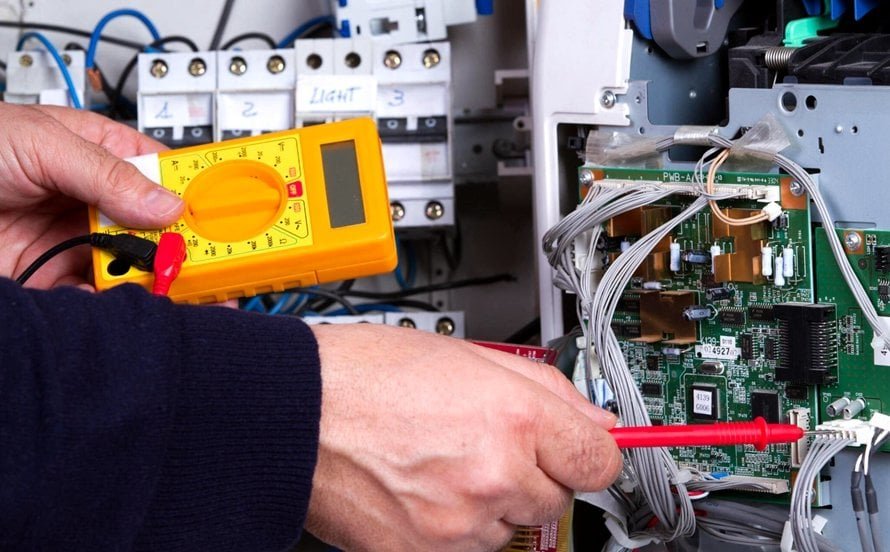
Creating a successful electronic prototype is a crucial step in bringing any new device or system to market. However, even experienced engineers and product developers can fall into common traps that delay progress, increase costs, or compromise the final product’s performance. Understanding the most frequent electronics prototyping mistakes to avoid can help teams streamline development, reduce risk, and achieve better results from the outset.
Whether you’re working on a simple circuit or a complex embedded system, awareness of these pitfalls is essential. In this article, we’ll highlight the most significant errors in the prototyping process, offer practical advice for sidestepping them, and provide resources for deeper learning. For those interested in optimizing every stage of their project, the electronic product design performance testing guide offers additional insights into ensuring robust and reliable designs.
Overlooking Design Requirements and Specifications
One of the earliest and most impactful errors is failing to define clear design requirements. Without a well-documented set of specifications, teams may end up with prototypes that do not meet functional, regulatory, or user expectations. This can lead to costly redesigns and wasted resources.
- Document all requirements before starting the design phase.
- Consult with stakeholders to ensure alignment on features and performance criteria.
- Regularly review and update specifications as the project evolves.
Skipping this foundational step often results in prototypes that require significant changes later, increasing both time and expenses.
Common Pitfalls in Component Selection
Choosing the wrong components can derail even the best-planned projects. Issues such as obsolescence, supply chain disruptions, or mismatched specifications can cause delays and force last-minute redesigns.
- Verify component availability and lead times before finalizing your bill of materials.
- Consider second-source options for critical parts.
- Ensure compatibility between all selected components and the overall system.
For more detailed advice on choosing the right materials, the electronic product design pcb material selection resource provides practical guidance.
Neglecting Thorough Testing and Validation
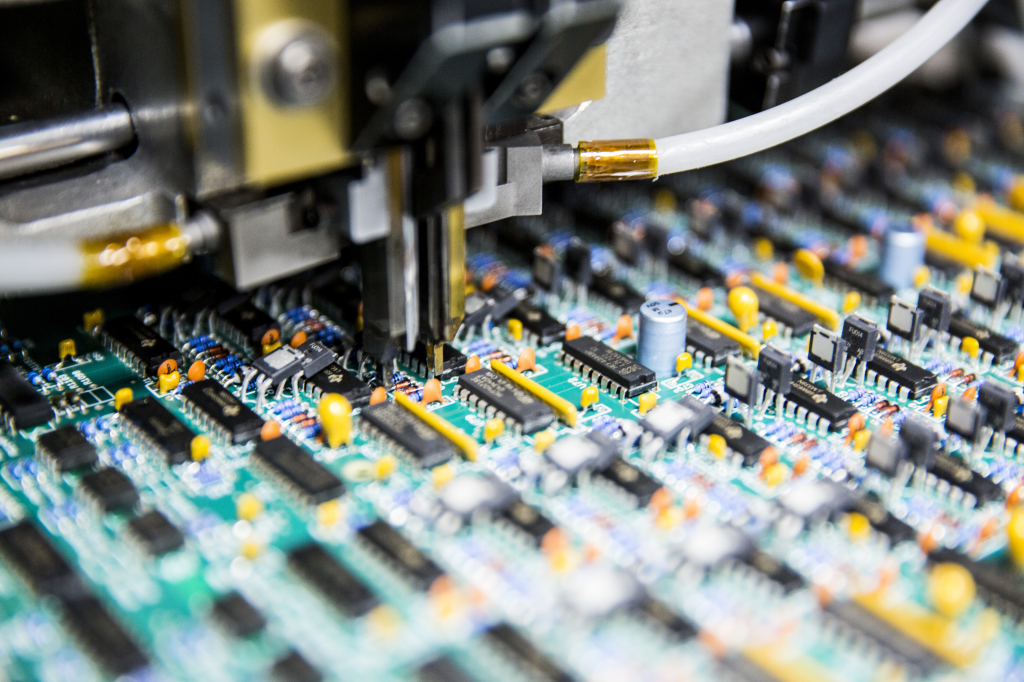
Rushing through or skipping testing phases is a frequent error in electronics prototyping. Without comprehensive validation, hidden flaws can go unnoticed until late in the development cycle, leading to failures in the field or during certification.
- Develop a robust testing plan covering functional, environmental, and safety aspects.
- Use both manual and automated testing methods to catch a wide range of issues.
- Document all test results and address failures systematically.
Incorporating best practices from a electronics prototyping mistakes to avoid perspective means treating testing as an integral part of the process, not an afterthought.
Ignoring Manufacturability and Scalability
Prototypes that are easy to assemble in the lab may not translate well to mass production. Failing to consider manufacturing constraints can lead to expensive redesigns or production delays.
- Design with manufacturing processes and tolerances in mind.
- Consult with contract manufacturers early to identify potential issues.
- Plan for scalability, including supply chain logistics and quality control.
For a comprehensive overview of how to prepare for volume production, the ultimate guide to electronics manufacturing is a valuable external resource.
Overcomplicating the Initial Prototype
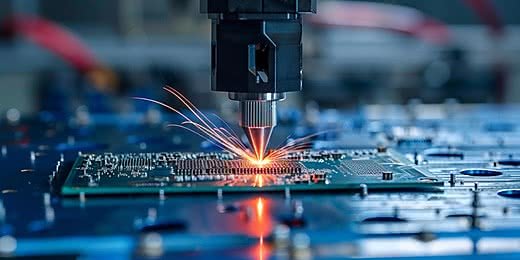
Trying to implement every feature in the first version can slow progress and introduce unnecessary complexity. The goal of a prototype is to validate core concepts and identify potential risks, not to deliver a finished product.
- Focus on essential features and functions for the initial build.
- Iterate based on feedback and test results before adding more complexity.
- Keep designs modular to allow for easier updates and changes.
This approach helps teams identify issues early and adapt quickly, reducing wasted effort and cost.
Disregarding Documentation and Version Control
Poor documentation and lack of version control can create confusion, especially in collaborative projects or when revisiting a design months later. These oversights can lead to repeated errors and wasted time.
- Maintain clear, up-to-date documentation for schematics, layouts, and firmware.
- Use version control systems to track changes and collaborate effectively.
- Archive all relevant files and notes for future reference.
Good documentation practices also support regulatory compliance and make it easier to troubleshoot problems as they arise.
Underestimating the Importance of Mechanical Integration
Electronics rarely exist in isolation; they must fit within enclosures and interact with mechanical components. Failing to coordinate with mechanical design teams can result in fitment issues or thermal problems.
- Engage mechanical engineers early in the prototyping process.
- Use 3D models to check clearances and mounting points.
- Consider thermal management and environmental sealing requirements.
For more on this topic, explore the electronic product mechanical integration guide for practical strategies.
Overlooking Lifecycle Cost and Sustainability
Focusing solely on the prototype’s immediate cost can lead to expensive surprises later. It’s important to consider the full lifecycle, including maintenance, upgrades, and end-of-life disposal.
- Estimate total cost of ownership, not just initial build expenses.
- Choose materials and components with sustainability in mind.
- Plan for future updates and recycling where possible.
The electronic product lifecycle cost analysis guide provides a deeper look at these considerations.
FAQ: Addressing Key Questions About Prototyping Errors
What is the most common mistake in electronics prototyping?
The most frequent error is insufficient planning—specifically, failing to document clear requirements and test plans. This often leads to prototypes that do not meet expectations or require costly revisions.
How can I ensure my prototype is ready for manufacturing?
Engage with manufacturing partners early, design for manufacturability, and validate your design through thorough testing. Reviewing resources like the ultimate guide to electronics manufacturing can help you prepare for production challenges.
Why is documentation so important in the prototyping process?
Good documentation ensures that all design decisions, changes, and test results are recorded. This supports collaboration, troubleshooting, and future development, reducing the risk of repeated mistakes.
Conclusion
Avoiding the most common electronics prototyping mistakes to avoid can save time, reduce costs, and improve the quality of your final product. By focusing on clear requirements, careful component selection, thorough testing, and robust documentation, teams can navigate the challenges of prototyping with greater confidence. Leverage the resources and best practices outlined here to set your next project on the path to success.
