

The electronics manufacturing lifecycle is a comprehensive process that transforms an initial product concept into a fully functional electronic device, ready for market and eventual end-of-life management. Understanding this journey is essential for businesses, engineers, and anyone involved in the electronics sector. Each stage, from design to recycling, involves a series of complex steps, decisions, and quality checks that determine the success and sustainability of the final product.
Whether you are developing consumer gadgets, industrial equipment, or specialized components, knowing how these stages interconnect can help you optimize costs, improve reliability, and ensure compliance with industry standards. For those interested in a deeper dive into related topics, the electronic product design performance testing guide offers valuable insights into ensuring your devices meet rigorous performance criteria.
Key Phases in the Electronics Manufacturing Process
The journey from concept to finished product involves several distinct phases. Each stage of the electronics manufacturing lifecycle is critical for ensuring quality, efficiency, and compliance.
1. Product Conceptualization and Design
Every electronic device begins as an idea. During the conceptualization phase, teams define the product’s purpose, target audience, and core features. This is followed by detailed design work, including schematic diagrams, printed circuit board (PCB) layouts, and component selection. Material choices at this stage can greatly influence performance and cost, as discussed in the electronic product design pcb material selection guide.
2. Prototyping and Validation
Once the design is finalized, prototypes are built to test functionality and identify potential issues. This stage often involves multiple iterations, with feedback loops between engineers, designers, and testing teams. Prototyping helps catch design flaws early, reducing costly revisions later in the process.
3. Component Sourcing and Supply Chain Management
Sourcing reliable components is a cornerstone of successful electronics production. Manufacturers must evaluate suppliers for quality, cost, and lead times. Effective supply chain management helps prevent delays and ensures that all parts meet regulatory and performance standards.
Assembly, Testing, and Quality Assurance
After securing components, the next steps focus on assembling the product and verifying its quality. These phases are vital for delivering devices that are safe, reliable, and ready for market.
4. PCB Assembly and Integration
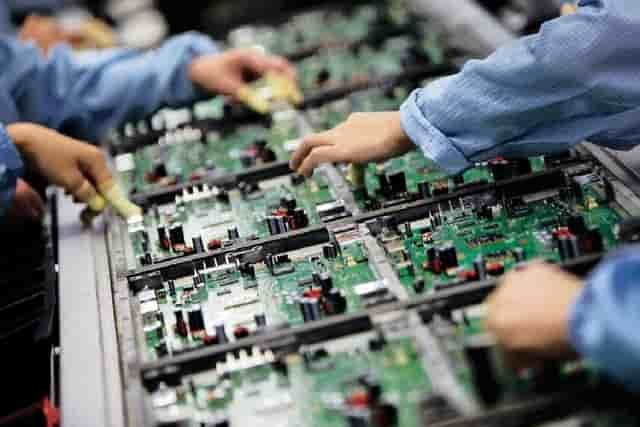
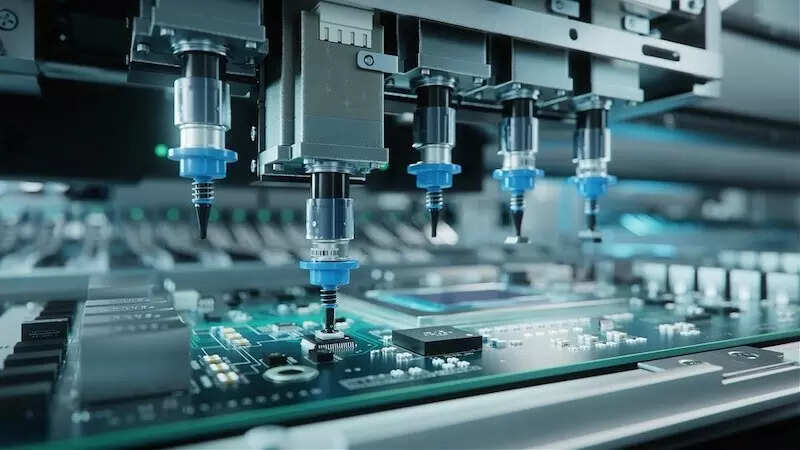
The assembly phase involves mounting electronic components onto PCBs using techniques like surface-mount technology (SMT) or through-hole soldering. Automated machines and skilled technicians work together to ensure precise placement and secure connections. Mechanical integration, as detailed in the electronic product mechanical integration guide, ensures that all parts fit together seamlessly within the device housing.
5. Functional Testing and Performance Verification
Rigorous testing is conducted to confirm that the assembled product operates as intended. This includes electrical tests, software validation, and environmental stress assessments. For a comprehensive overview of testing methods, refer to the electronic product design performance testing guide. Quality assurance teams document results and address any failures before moving forward.
6. Final Assembly and Packaging
Once individual modules are verified, the product undergoes final assembly. This includes installing batteries, displays, enclosures, and any user interfaces. Packaging is designed to protect the device during transit and to provide an appealing presentation for customers.
Distribution, Support, and End-of-Life Management
The latter stages of the electronics manufacturing lifecycle focus on getting products to customers, supporting them throughout their use, and responsibly managing devices at the end of their operational life.
7. Logistics and Product Distribution
Efficient distribution channels are crucial for delivering products to retailers or directly to consumers. This stage involves inventory management, shipping logistics, and coordination with sales partners. Timely delivery helps maintain customer satisfaction and brand reputation.
8. After-Sales Support and Maintenance
Providing robust customer support and maintenance services is essential for long-term success. This includes handling warranty claims, offering repairs, and supplying spare parts. Proactive support can extend product lifespan and foster brand loyalty.
9. Recycling and Sustainable Disposal
As electronic devices reach the end of their useful life, proper disposal and recycling become important. Manufacturers are increasingly adopting eco-friendly practices to minimize environmental impact. Responsible recycling recovers valuable materials and ensures compliance with environmental regulations.
Cost and Lifecycle Optimization Strategies
Managing costs throughout the product journey is a key concern for manufacturers. Early planning, efficient design choices, and streamlined supply chains can reduce expenses and improve profitability. For detailed strategies on cost management, the electronic product lifecycle cost analysis resource provides actionable guidance.
Staying updated on best practices and emerging technologies can further enhance efficiency. For a more technical perspective, a comprehensive overview of the electronics manufacturing process offers additional context and industry insights.
Frequently Asked Questions
What are the main stages of the electronics manufacturing process?
The primary stages include product design, prototyping, component sourcing, assembly, testing, packaging, distribution, after-sales support, and end-of-life management. Each phase plays a crucial role in ensuring the final product is reliable and meets market requirements.
How can manufacturers improve quality and reduce defects?
Implementing thorough testing protocols, maintaining strong supplier relationships, and investing in advanced assembly technologies can significantly enhance product quality. Continuous improvement and feedback loops during prototyping and production also help reduce defects.
Why is sustainable disposal important in electronics manufacturing?
Proper recycling and disposal minimize environmental harm and recover valuable materials. With growing regulations and consumer awareness, manufacturers are expected to adopt eco-friendly practices throughout the product lifecycle.
