

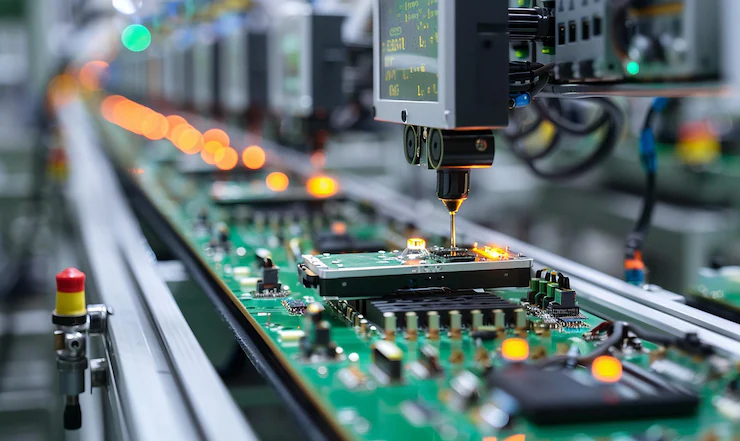
The world of electronics manufacturing relies on a diverse range of materials, each chosen for its unique properties and suitability for specific applications. Understanding the fundamental building blocks used in electronic device creation is essential for engineers, designers, and anyone interested in how modern technology is made. This guide provides a practical look at the key material categories, their roles in fabrication, and how they influence the performance and reliability of electronic products.
For those looking to dive deeper into the relationship between materials and performance, the electronic product design performance testing guide offers a detailed perspective on how fabrication choices impact end results.
Core Substrates and Their Functions in Electronics
At the heart of every electronic device lies a substrate—a foundational material that supports and insulates the circuit. The most common substrate is the printed circuit board (PCB), which serves as the backbone for mounting and connecting electronic components. Substrates must offer a balance of mechanical strength, electrical insulation, and thermal stability.
- FR-4 (Fiberglass Epoxy): The industry standard for most consumer electronics, FR-4 is valued for its low cost, good electrical insulation, and mechanical durability.
- Ceramic Substrates: Used in high-frequency or high-power applications, ceramics provide excellent heat resistance and electrical performance.
- Flexible Polymers: Materials like polyimide are used in flexible circuits, enabling bendable or wearable electronics.
For a more technical breakdown of PCB material choices and their impact, the electronic product design pcb material selection resource is highly recommended.
Conductive Materials: Metals and Their Applications
Conductive paths are essential for carrying electrical signals and power throughout a device. The choice of metal affects conductivity, cost, and reliability. Here are the most widely used conductive materials in electronics fabrication:
- Copper: The primary material for PCB traces and component leads, copper offers high conductivity and is relatively affordable.
- Gold: Used for plating contacts and connectors, gold resists corrosion and ensures reliable connections, especially in harsh environments.
- Silver: Sometimes used in specialized applications for its superior conductivity, though it is more expensive and prone to tarnishing.
- Aluminum: Common in power electronics and LED substrates due to its excellent thermal properties and lightweight nature.
The selection of conductive materials is a crucial consideration in the electronics fabrication materials overview, as it directly influences signal integrity and device longevity.
Semiconductors: The Foundation of Modern Devices
Semiconductors are the core materials that enable transistors, diodes, and integrated circuits to function. Their unique electrical properties allow them to act as both conductors and insulators, depending on the applied voltage or doping.
- Silicon: The most widely used semiconductor, silicon forms the basis of almost all modern microchips and solar cells.
- Gallium Arsenide (GaAs): Preferred for high-frequency and optoelectronic applications due to its superior electron mobility.
- Silicon Carbide (SiC) and Gallium Nitride (GaN): These wide-bandgap materials are increasingly used in power electronics for their efficiency and high-temperature performance.
The ongoing development of new semiconductor materials continues to drive innovation in electronics, enabling faster, smaller, and more energy-efficient devices.

Insulating and Dielectric Materials in Electronics Manufacturing
Insulators are vital for preventing unwanted current flow and protecting sensitive components. Dielectric materials, a subset of insulators, are specifically chosen for their ability to store and separate electrical charges, making them essential in capacitors and high-frequency circuits.
- Epoxy Resins: Used as the matrix in PCBs, providing both insulation and structural support.
- Ceramics: Serve as dielectrics in capacitors and as substrates in high-performance circuits.
- Glass: Offers excellent insulation and is used in displays, sensors, and some high-frequency applications.
- Polymers: Materials like PTFE (Teflon) and polyimide are chosen for their flexibility and high dielectric strength.
The careful selection of insulating and dielectric materials is a key part of any electronics fabrication materials overview, as these choices impact safety, reliability, and device performance.
Protective Coatings and Encapsulation Materials
Once the core circuitry is complete, additional materials are used to protect electronic assemblies from environmental hazards such as moisture, dust, chemicals, and mechanical stress. These protective layers ensure long-term reliability and safety.
- Solder Mask: A polymer coating applied to PCBs to prevent solder bridges and protect copper traces.
- Conformal Coatings: Thin layers of silicone, acrylic, or urethane that shield assemblies from moisture and contaminants.
- Potting Compounds: Epoxies or silicones used to encapsulate entire assemblies, providing robust protection in harsh environments.
The use of protective coatings is especially important in applications where electronics are exposed to challenging conditions, such as automotive, industrial, or outdoor devices.
Material Selection and Its Impact on Product Lifecycle
Choosing the right materials is not just about immediate performance; it also affects manufacturing costs, environmental impact, and product longevity. Factors such as thermal management, weight, recyclability, and regulatory compliance all play a role in the decision-making process.
For a broader understanding of how material choices influence the total cost of ownership, the electronic product lifecycle cost analysis guide provides valuable insights.
Additionally, integrating mechanical and electronic components requires careful coordination of materials, as discussed in the electronic product mechanical integration guide.
Further Learning and Resources
For those interested in a more technical exploration of PCB construction and the role of different materials, this comprehensive PCB basics tutorial offers a step-by-step look at the fabrication process, from raw materials to finished boards.
As electronics continue to evolve, staying informed about new material developments and industry best practices is essential for anyone involved in product design or manufacturing.
Frequently Asked Questions
What are the most common materials used in PCB fabrication?
The most widely used materials for PCBs are FR-4 fiberglass epoxy for the substrate and copper for the conductive traces. Solder mask polymers and silkscreen inks are also standard for protection and labeling.
How do material choices affect electronic device performance?
Material selection impacts electrical conductivity, heat dissipation, mechanical strength, and environmental resistance. Using high-quality or application-specific materials can improve reliability, efficiency, and lifespan of electronic products.
Why is gold used in some electronic components?
Gold is highly resistant to corrosion and oxidation, making it ideal for connectors, contacts, and bonding wires where reliable, long-term electrical connections are critical, especially in harsh or high-reliability environments.
