

The manufacturing of modern electronic devices demands environments where even microscopic contaminants can be controlled. Electronics cleanroom processes are at the heart of this precision-driven industry, ensuring that sensitive components are produced free from dust, particles, and other sources of contamination. These specialized procedures are essential for the fabrication of semiconductors, printed circuit boards (PCBs), sensors, and a wide range of high-performance electronics.
Understanding the fundamentals of cleanroom operations is crucial for anyone involved in electronic product development, quality assurance, or manufacturing. Whether you are designing a new device or optimizing production lines, a solid grasp of these procedures can make the difference between success and costly failures. For those seeking a broader perspective on integrating these principles into product development, the electronic product design system integration guide offers additional insights on aligning design and manufacturing best practices.
What Are Cleanrooms and Why Are They Needed in Electronics?
A cleanroom is a controlled environment where the concentration of airborne particles is kept within strict limits. In electronics manufacturing, even a single dust particle can cause defects in microchips or short circuits on a PCB. Cleanrooms are designed to minimize these risks by regulating air quality, humidity, temperature, and pressure. Specialized filtration systems, such as HEPA and ULPA filters, remove contaminants from the air, while protocols for gowning, cleaning, and equipment handling further reduce the chance of introducing foreign materials.
The need for cleanroom conditions becomes more critical as electronic components shrink in size and increase in complexity. For example, the production of integrated circuits at nanometer scales requires environments with virtually zero particulate contamination. As a result, cleanroom processes are not just a best practice—they are a necessity for achieving high yields and reliable products.
Key Elements of Electronics Cleanroom Processes
The core of electronics cleanroom processes lies in a series of interconnected procedures that collectively maintain the required level of cleanliness. These include:
- Air Filtration and Circulation: Cleanrooms use advanced filtration systems to remove airborne particles. Air is constantly circulated and filtered to maintain purity.
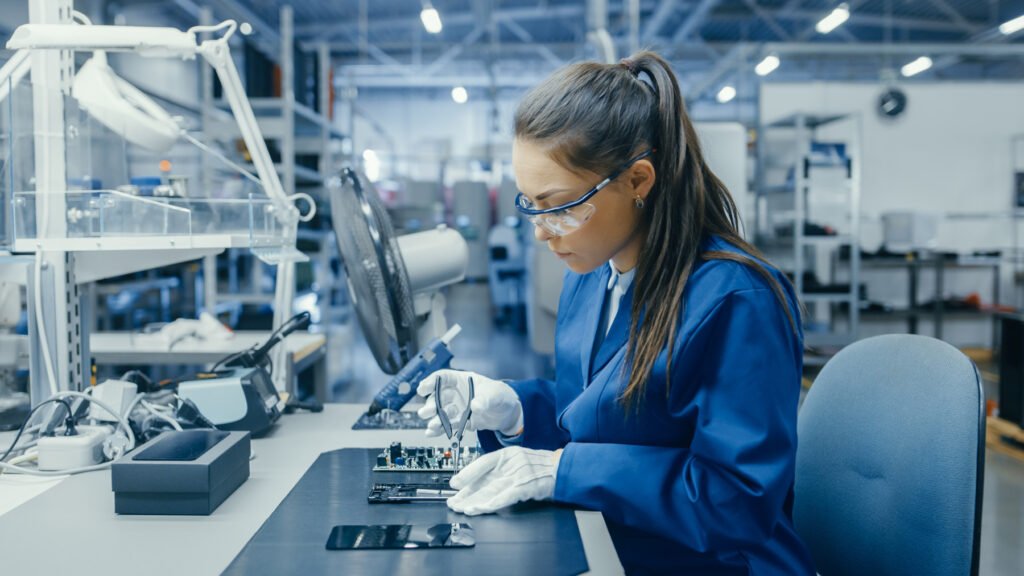
- Gowning Procedures: Personnel must wear specialized garments—such as coveralls, gloves, masks, and shoe covers—to prevent skin flakes, hair, and other contaminants from entering the environment.
- Cleaning Protocols: Surfaces, tools, and equipment are regularly cleaned using approved solvents and wipes to prevent buildup of dust and residues.
- Material Handling: All materials entering the cleanroom are cleaned or double-bagged. Strict protocols ensure that packaging and movement do not introduce contaminants.
- Environmental Monitoring: Sensors continuously track particle counts, humidity, and temperature. Any deviation triggers corrective actions.
These elements are supported by rigorous training and documentation to ensure that every step is followed consistently. For more on documentation strategies, the electronic product design documentation workflow provides a comprehensive overview.
Classification Standards for Cleanrooms in Electronics
Cleanrooms are classified based on the maximum allowable number of particles per cubic meter of air. The most widely used standards are ISO 14644-1 and the older Federal Standard 209E. In electronics, common classifications include:
| ISO Class | Max Particles ≥0.5μm per m³ | Typical Application |
|---|---|---|
| ISO 1 | 10 | Advanced semiconductor fabrication |
| ISO 5 | 3,520 | Microelectronics, wafer processing |
| ISO 7 | 352,000 | PCB assembly, general electronics |
The choice of classification depends on the sensitivity of the product and the stage of manufacturing. As devices become more complex, manufacturers often require higher-class cleanrooms for critical steps.
Common Steps in Cleanroom-Based Electronics Manufacturing
The journey from raw materials to finished electronic products involves multiple stages, each with its own set of cleanroom requirements. Key steps include:
- Wafer Fabrication: The creation of semiconductor wafers is performed in ultra-clean environments to prevent defects in microchips.
- Photolithography: This process uses light to transfer circuit patterns onto wafers. Even tiny particles can ruin the pattern, making cleanliness essential.
- Etching and Deposition: Chemical processes add or remove material from wafers. Strict controls prevent contamination from chemicals and equipment.
- Assembly: Components are mounted onto PCBs in cleanrooms to avoid soldering defects and ensure reliability.
- Testing and Inspection: Finished products are tested for performance and defects, often in controlled environments to ensure accuracy.
Each of these steps relies on a combination of environmental controls and procedural discipline. For a deeper dive into performance validation, the electronic product design performance testing guide outlines best practices for testing in cleanroom settings.
Best Practices for Maintaining Cleanroom Integrity
Maintaining the integrity of a cleanroom is an ongoing challenge. The following best practices help ensure that contamination risks remain low:
- Strict Access Control: Only trained personnel are allowed entry, and access is logged and monitored.
- Regular Training: Staff receive ongoing instruction on gowning, behavior, and emergency procedures.
- Routine Cleaning: Scheduled cleaning of floors, surfaces, and equipment prevents buildup of particles.
- Continuous Monitoring: Automated systems track environmental parameters and alert staff to any deviations.
- Preventive Maintenance: Equipment is regularly serviced to prevent leaks, vibrations, or other sources of contamination.
For organizations aiming to meet international safety benchmarks, the electronic product design safety standards comparison can help clarify compliance requirements for cleanroom operations.
Challenges and Innovations in Cleanroom Processes for Electronics
As electronics become more advanced, cleanroom technology must evolve to keep pace. Some of the main challenges include:
- Miniaturization: Smaller components require even stricter contamination control, pushing the limits of current cleanroom technology.
- Cost Management: Building and maintaining high-class cleanrooms is expensive, so manufacturers must balance quality with cost-effectiveness.
- Automation: The use of robotics and automated systems reduces human error and contamination, but introduces new technical complexities.
- Energy Efficiency: Cleanrooms consume significant energy, prompting innovation in HVAC and filtration systems to reduce environmental impact.
To explore the broader landscape of manufacturing trends and best practices, the ultimate guide to electronics manufacturing provides a comprehensive resource for industry professionals.
Quality Assurance and Reliability in Cleanroom Manufacturing
Quality assurance is a cornerstone of cleanroom-based electronics production. Every process is documented, monitored, and audited to ensure compliance with industry standards. Traceability systems track materials and processes from start to finish, enabling rapid identification and correction of issues.
Reliability engineering also plays a vital role. By analyzing failure modes and implementing robust controls, manufacturers can deliver products that meet demanding performance and longevity requirements. For further reading on reliability strategies, see the electronic product design reliability engineering basics.
FAQ
What is the main purpose of cleanrooms in electronics manufacturing?
The primary goal is to prevent contamination that could damage sensitive components or cause product failures. Cleanrooms control airborne particles, humidity, and temperature to create optimal conditions for high-precision manufacturing.
How are cleanrooms classified for use in electronics?
Cleanrooms are classified by the number and size of particles allowed per cubic meter of air, using standards like ISO 14644-1. The required class depends on the specific manufacturing process and the sensitivity of the components being produced.
What are the most important procedures for maintaining cleanroom standards?
Key procedures include proper gowning, regular cleaning, strict material handling, continuous environmental monitoring, and comprehensive staff training. These steps collectively minimize the risk of contamination and ensure product quality.
