


Ensuring the safety of electronic products is a critical step in product development, manufacturing, and market entry. Proper safety testing not only protects end users but also helps companies comply with regulatory requirements, avoid costly recalls, and build trust in their brand. This electronic product safety testing guide provides a comprehensive overview of the key concepts, processes, and best practices involved in verifying the safety of electronic devices before they reach consumers.
Whether you are a design engineer, quality manager, or business owner, understanding the essentials of safety testing is vital. By following a structured approach, you can minimize risks, streamline certification, and ensure your products meet both legal and industry standards. For those interested in related topics such as performance evaluation, the electronic product design performance testing guide offers additional insights.
Why Product Safety Testing Matters
Safety testing is not just a regulatory hurdle; it is a fundamental aspect of responsible product development. Electronic devices can pose hazards such as electric shock, fire, overheating, or electromagnetic interference. Rigorous testing helps identify and mitigate these risks before products reach the market.
- Legal Compliance: Most countries require electronic products to meet specific safety standards before they can be sold.
- Consumer Protection: Testing ensures that products are safe for everyday use, reducing the risk of injury or property damage.
- Brand Reputation: Demonstrating a commitment to safety builds trust with customers and partners.
- Market Access: Passing safety tests is often mandatory for entering new markets or working with major retailers.
Key Standards and Regulations for Electronic Devices
Understanding the relevant standards is the first step in any electronic product safety testing guide. Requirements vary by region and product type, but some of the most widely recognized standards include:
- IEC 60950/62368: Safety standards for information technology and audio/video equipment.
- UL (Underwriters Laboratories): North American standards for electrical safety.
- CE Marking: European Union safety, health, and environmental protection requirements.
- FCC: US regulations for electromagnetic compatibility and radio frequency devices.
- RoHS: Restricts hazardous substances in electrical and electronic equipment.
It is crucial to identify which standards apply to your product early in the design phase. For a deeper understanding of how design choices impact compliance, the electronic product design process overview provides valuable context.

Stages of Safety Testing in Electronics Development
Integrating safety testing throughout the product lifecycle is essential for efficient certification and market readiness. Here’s how the process typically unfolds:
1. Design Review and Risk Assessment
Before building prototypes, engineers should conduct a thorough risk assessment. This involves identifying potential hazards, such as high voltages, moving parts, or heat sources, and designing safeguards accordingly. Early-stage reviews help prevent costly redesigns later.
2. Pre-Compliance Testing
Pre-compliance testing is performed on prototypes to catch issues before formal certification. Common tests include:
- Electrical Safety: Insulation resistance, dielectric strength, and ground continuity.
- Mechanical Safety: Durability of enclosures, sharp edge checks, and stability tests.
- Thermal Testing: Measuring surface temperatures and verifying thermal cutoffs.
- EMC/EMI Testing: Ensuring the device does not emit or is not susceptible to electromagnetic interference.
3. Certification and Compliance Testing
Once design and pre-compliance tests are complete, products are submitted to accredited labs for official certification. These labs conduct standardized tests based on applicable regulations. Documentation and traceability are critical at this stage to demonstrate compliance during audits or inspections.
4. Production Line Testing
Even after certification, ongoing testing during manufacturing is necessary to ensure consistency. This may include 100% end-of-line testing or statistical sampling, depending on the product and market requirements.
Common Types of Safety Tests for Electronics
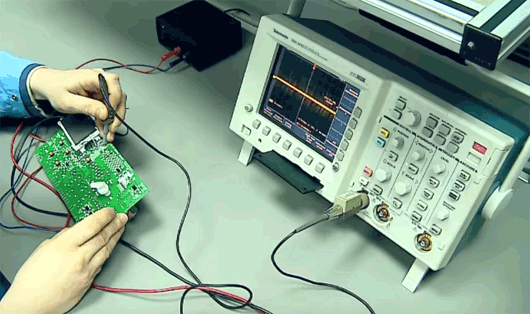
Several test categories are fundamental to verifying the safety of electronic devices. The following are among the most important:
- Electrical Tests: Insulation resistance, leakage current, and dielectric withstand tests confirm the device’s ability to operate safely under normal and fault conditions.
- Mechanical Tests: Drop, vibration, and impact tests assess the product’s durability and resistance to physical stress.
- Thermal Tests: Evaluate the risk of overheating and ensure components stay within safe temperature limits.
- Ingress Protection (IP) Testing: Determines resistance to dust and water, critical for products used in challenging environments.
- EMC/EMI Testing: Measures electromagnetic emissions and immunity, ensuring the device does not interfere with or is not affected by other electronics.
For more on how materials and design choices affect safety, the electronic product design pcb material selection resource is worth consulting.
Best Practices for Streamlining Safety Compliance
Adopting a proactive approach to safety can save time and resources. Here are some practical tips:
- Start Early: Integrate safety requirements into the initial design phase.
- Document Everything: Maintain detailed records of design decisions, test results, and corrective actions.
- Work with Accredited Labs: Choose reputable testing partners familiar with your target markets.
- Train Your Team: Ensure engineers and production staff understand the importance of compliance and how to spot potential issues.
- Monitor Regulatory Changes: Stay informed about evolving standards to avoid surprises during certification or market entry.
Cost considerations are also important. For a deeper dive into managing expenses, the electronic product lifecycle cost analysis article explores budgeting strategies for compliance and testing.
Integrating Safety Testing With Product Development
Effective safety testing is not a one-time event but an ongoing process integrated with product development and manufacturing. Collaboration between design, engineering, and quality assurance teams is essential for identifying risks early and addressing them efficiently. Leveraging design-for-safety principles and regular reviews can help reduce the likelihood of late-stage failures or costly redesigns.
Localization and mechanical integration can also influence safety requirements. For example, adapting products for different markets may introduce new regulatory standards or environmental challenges. The electronic product localization considerations and electronic product mechanical integration guide provide further guidance on these aspects.
Frequently Asked Questions
What is the difference between pre-compliance and certification testing?
Pre-compliance testing is performed internally or with third-party labs before formal certification. It helps identify and resolve potential issues early, reducing the risk of failure during official certification testing, which is conducted by accredited bodies to verify compliance with regulatory standards.
How do I know which safety standards apply to my product?
The applicable standards depend on the product type, intended use, and target markets. Researching local regulations, consulting with testing labs, and reviewing similar products can help determine the relevant requirements. Early identification is crucial for efficient design and compliance.
Can safety testing be outsourced?
Yes, many companies partner with accredited third-party laboratories for both pre-compliance and certification testing. Outsourcing can provide access to specialized equipment and expertise, but it is important to maintain clear documentation and communication throughout the process.
