

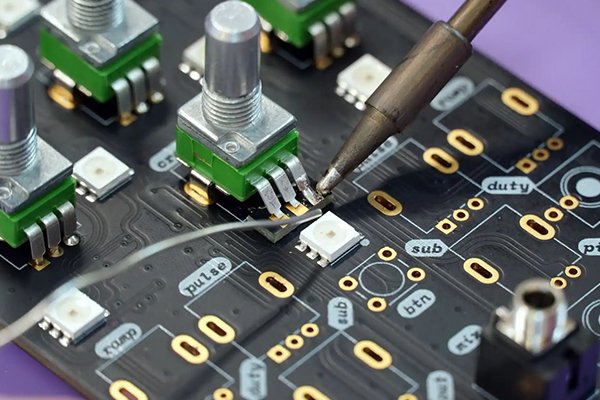
The electronic product redesign process is a critical pathway for companies aiming to improve, modernize, or adapt existing devices to meet new requirements. Whether driven by component obsolescence, cost pressures, regulatory changes, or the need for enhanced performance, a structured approach to redesign ensures that products remain competitive and reliable. This guide explores the essential steps, best practices, and key considerations for successfully updating electronic products, helping organizations navigate the complexities of technical, market, and manufacturing demands.
Understanding how to approach a redesign project can save time, reduce costs, and minimize risks. By following a systematic methodology, teams can address challenges such as supply chain disruptions, evolving user expectations, and emerging technologies. For those interested in related topics, the electronic product design performance testing guide provides valuable insights into ensuring quality and reliability throughout the development lifecycle.
Why Redesign Electronic Products?
The need to update or re-engineer electronic devices arises from several factors. Some common drivers include:
- Component obsolescence: Suppliers may discontinue parts, making it necessary to find alternatives or redesign circuits.
- Cost optimization: Redesigning for lower manufacturing or material costs can improve margins and competitiveness.
- Regulatory compliance: New standards or environmental regulations may require changes to materials, layouts, or safety features.
- Performance enhancements: Upgrading features, speed, or efficiency to meet evolving customer expectations.
- Market adaptation: Adjusting products for new regions, user groups, or applications.
A well-executed electronic product redesign process not only addresses these challenges but also creates opportunities for innovation and differentiation.
Key Phases of the Electronic Product Redesign Process
A structured approach to updating electronic products typically involves several distinct phases. Each step builds upon the previous, ensuring that changes are purposeful, validated, and aligned with business goals.
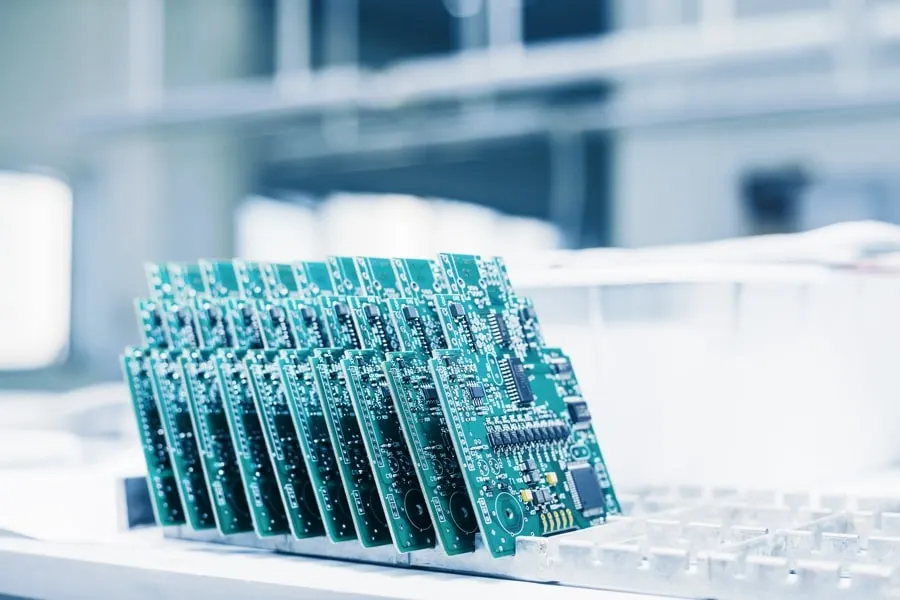
1. Initial Assessment and Requirements Gathering
The first step is to analyze the existing product. This includes reviewing schematics, bills of materials, firmware, and mechanical drawings. Teams should identify pain points, such as obsolete components, customer complaints, or manufacturing bottlenecks. Gathering input from stakeholders—engineering, marketing, supply chain, and end users—ensures that all requirements and constraints are captured.
During this phase, it’s helpful to create a requirements document that outlines the objectives, must-have features, and any regulatory or environmental considerations. This document serves as a reference throughout the redesign.
2. Concept Development and Feasibility Analysis
With requirements in hand, the team explores potential solutions. This may involve brainstorming sessions, benchmarking competitors, and evaluating new technologies. Feasibility studies help determine if proposed changes are technically and economically viable. Early prototypes or simulations can be used to assess risk and validate critical assumptions.
At this stage, it’s important to consider the impact of changes on certification, manufacturing processes, and supply chain logistics. For example, switching to a new microcontroller might require firmware updates and additional compliance testing.
3. Detailed Design and Engineering
Once a concept is selected, detailed design work begins. This includes updating schematics, PCB layouts, mechanical enclosures, and software. Engineers should use modern design tools to optimize for manufacturability, testability, and reliability. Design reviews and peer checks help catch errors early.
Material selection is another critical aspect. For more on this, the electronic product design pcb material selection resource offers guidance on choosing the right substrates and components for durability and performance.

4. Prototyping and Validation
Building prototypes is essential to verify that the redesigned product meets functional and performance goals. Testing should cover electrical, mechanical, and environmental parameters. This phase often includes iterative cycles of build, test, and refine.
Comprehensive validation may involve performance testing, compliance checks, and user trials. For a deeper dive into this stage, refer to the electronic product design performance testing guide.
5. Manufacturing Preparation and Documentation
After successful validation, the focus shifts to preparing for mass production. This involves creating detailed manufacturing instructions, test procedures, and quality control plans. Supply chain teams work to source new components and update vendor agreements.
Clear documentation ensures that production runs smoothly and that future maintenance or updates can be managed efficiently.
6. Launch and Post-Release Support
The final step is to introduce the updated product to the market. This may involve pilot runs, phased rollouts, or full-scale launches. Ongoing support includes monitoring field performance, handling warranty claims, and gathering user feedback for future improvements.
Lifecycle cost analysis is valuable at this stage to ensure that the redesign delivers long-term value. The electronic product lifecycle cost analysis guide provides additional strategies for managing costs across the product’s lifespan.
Best Practices for a Successful Redesign Project
To maximize the benefits of the electronic product redesign process, consider the following best practices:
- Cross-functional collaboration: Involve engineering, manufacturing, quality, and marketing teams from the start.
- Risk management: Identify potential risks early and develop mitigation plans.
- Supplier engagement: Work closely with suppliers to ensure availability and compatibility of new components.
- Design for manufacturability: Optimize layouts and assemblies for efficient, cost-effective production.
- Documentation: Maintain thorough records of changes, decisions, and test results.
- Continuous improvement: Use feedback from testing and field use to refine the product further.
For additional insights into the design process, including the latest trends and methodologies, the electronics design resource offers a comprehensive overview of industry best practices.
Common Challenges and How to Overcome Them
Redesigning electronic products is not without obstacles. Some frequent challenges include:
- Legacy constraints: Older products may have undocumented features or dependencies that complicate updates.
- Regulatory hurdles: New designs may require re-certification, adding time and cost.
- Supply chain volatility: Sourcing new parts can be unpredictable, especially for specialized components.
- Cost overruns: Scope creep and unforeseen technical issues can drive up expenses.
To address these issues, maintain open communication, set realistic timelines, and allocate resources for contingency planning. Early engagement with regulatory bodies and suppliers can also smooth the transition.
Integrating Localization and Mechanical Considerations
When updating products for new markets or applications, localization and mechanical integration are crucial. Adapting to different languages, power standards, or environmental conditions may require changes to hardware and software. The electronic product localization considerations article provides practical advice for tailoring devices to specific regions.
Mechanical integration ensures that new or modified components fit seamlessly within existing enclosures and assemblies. For guidance on this aspect, see the electronic product mechanical integration guide.
Frequently Asked Questions
What triggers the need for an electronic product redesign?
The most common triggers include component obsolescence, regulatory changes, cost reduction goals, and the need to improve performance or adapt to new markets. Sometimes, customer feedback or competitive pressures also drive the decision to update an existing device.
How long does the redesign process usually take?
The timeline varies depending on the complexity of the product and the extent of changes required. Simple updates may take a few months, while more extensive redesigns involving hardware, software, and compliance testing can extend to a year or more.
What are the main risks in updating electronic products?
Key risks include introducing new defects, delays in sourcing components, increased costs, and regulatory non-compliance. Thorough planning, cross-functional collaboration, and robust testing are essential to minimize these risks.
Conclusion
A well-managed electronic product redesign process enables organizations to extend the life of their products, respond to market changes, and maintain a competitive edge. By following a structured approach, engaging stakeholders, and leveraging best practices, teams can navigate the complexities of updating electronic devices with confidence and efficiency.
