

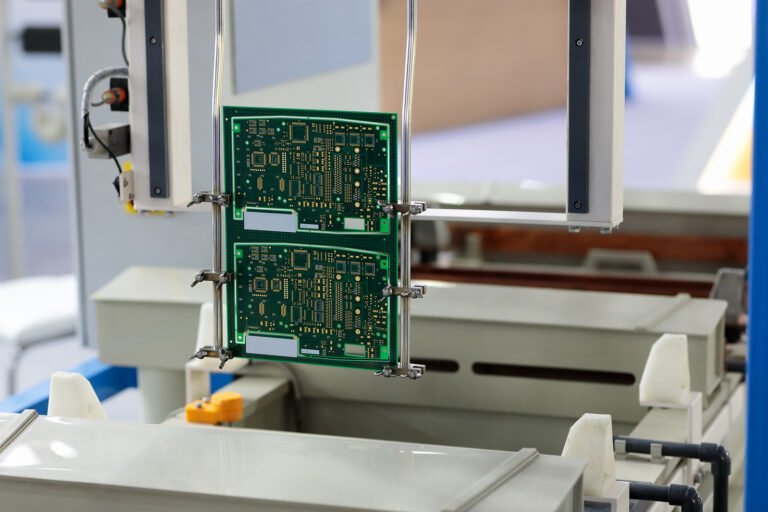
In the fast-paced world of electronics, the journey from concept to market-ready device is filled with critical decisions. Among the most significant is choosing between electronic product design simulation vs prototyping as primary validation methods. Both approaches play vital roles in reducing risk, improving quality, and accelerating time-to-market, but they serve different purposes and offer distinct advantages. Understanding when and how to use each can make the difference between a successful launch and costly setbacks.
For teams navigating the complexities of modern electronics, integrating simulation and prototyping with robust documentation and system integration processes is essential. Resources like the electronic product design system integration guide can provide additional insights into building a seamless workflow.
Understanding Simulation in Electronic Product Development
Simulation is a virtual process that uses mathematical models and computer-aided tools to predict how a product will behave under various conditions. In the context of electronic product design simulation vs prototyping, simulation allows engineers to test circuits, thermal profiles, signal integrity, and mechanical stresses without building physical hardware.
Key benefits of simulation include:
- Early error detection: Identify design flaws before investing in materials or manufacturing.
- Cost savings: Reduce the number of physical prototypes needed, saving both time and money.
- Faster iterations: Make rapid changes to virtual models and immediately see the impact.
- Complex scenario testing: Simulate edge cases, environmental extremes, and failure modes that are difficult or expensive to replicate physically.
Common simulation tools in electronics include SPICE for circuit analysis, thermal simulation software, and electromagnetic compatibility (EMC) modeling platforms. These tools are invaluable for optimizing designs before moving to the next stage.
The Role of Prototyping in Product Validation
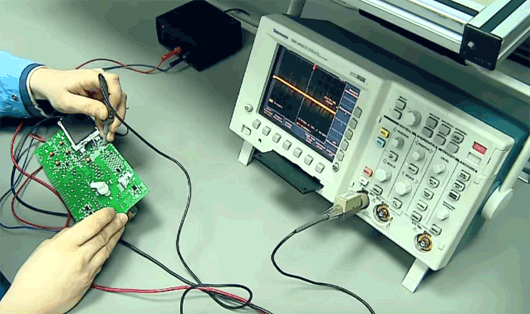
While simulation provides a powerful virtual environment, prototyping brings concepts into the physical world. A prototype is a tangible model of the product, built to test form, fit, function, and user experience. In the debate of electronic product design simulation vs prototyping, prototypes are essential for uncovering real-world issues that simulations may not predict.
Advantages of prototyping include:
- Hands-on testing: Evaluate ergonomics, assembly, and usability with a real device.
- Functional validation: Confirm that the product works as intended under actual operating conditions.
- Stakeholder feedback: Demonstrate progress to investors, customers, and team members for early input.
- Manufacturing insights: Identify production challenges and refine assembly processes before mass production.
Prototyping methods range from breadboards and 3D-printed enclosures to fully assembled pre-production units. Each stage provides valuable data to inform design improvements and reduce risk.

Comparing Simulation and Prototyping: When to Use Each Approach
Choosing between simulation and prototyping—or determining the right balance—depends on the project stage, complexity, and specific goals. Here’s how the two methods typically fit into the product development lifecycle:
| Stage | Simulation | Prototyping |
|---|---|---|
| Concept & Feasibility | Validate basic ideas, explore alternatives, estimate performance | Rarely used at this stage |
| Design & Engineering | Optimize circuits, thermal, EMC, and mechanical aspects | Initial breadboards or mock-ups for basic checks |
| Verification & Validation | Test edge cases, stress scenarios, and compliance virtually | Build functional prototypes for real-world testing |
| Pre-Production | Final simulations for manufacturing tolerances | Pre-production units for assembly and field trials |
Simulation is most valuable in the early and middle stages, where rapid iteration and virtual testing can prevent costly errors. Prototyping becomes increasingly important as the design matures and physical validation is required.
Integrating Simulation and Prototyping for Optimal Results
The most successful teams leverage both simulation and prototyping, using each where it delivers the most value. A typical workflow might look like this:
- Use simulation to refine the initial design and eliminate obvious flaws.
- Build a prototype to validate assumptions and gather hands-on feedback.
- Iterate between simulation and prototyping as new insights are gained.
- Finalize the design with both virtual and physical validation before moving to production.
Combining these approaches reduces risk, improves product quality, and can significantly shorten the development timeline. For a deeper dive into documentation and workflow best practices, the electronic product design documentation workflow article offers practical guidance.
Cost, Time, and Risk Considerations
Both simulation and prototyping impact project budgets and schedules, but in different ways:
- Simulation: Requires investment in software and skilled personnel but can save substantial costs by reducing the number of physical builds.
- Prototyping: Involves material and fabrication expenses, but is essential for uncovering issues that only appear in real-world use.
Balancing these methods helps teams manage risk, avoid late-stage surprises, and deliver reliable products. For those interested in broader engineering services, professional electronic product design services can provide expertise across simulation, prototyping, and manufacturing support.
Best Practices for Modern Electronic Product Design
To maximize the benefits of both simulation and prototyping, consider these best practices:
- Invest in up-to-date simulation tools and ensure your team is trained to use them effectively.
- Plan for multiple prototype iterations, starting with simple models and progressing to fully functional units.
- Document every step, including simulation results and prototype test data, to inform future projects.
- Incorporate feedback from all stakeholders, including engineers, users, and manufacturing partners.
- Stay informed about evolving standards and testing requirements—resources like the electronic product design safety standards comparison can help ensure compliance.
FAQ: Simulation and Prototyping in Electronics
What are the main advantages of simulation over prototyping?
Simulation allows for rapid, low-cost testing of multiple design variations and scenarios, helping teams identify and resolve issues early. It’s especially useful for complex systems where building a physical prototype for every iteration would be impractical or expensive.
When is physical prototyping absolutely necessary?
Physical prototypes are essential when real-world factors—such as user interaction, assembly, or environmental influences—must be validated. They are also critical for regulatory testing, stakeholder demonstrations, and final manufacturing checks.
Can simulation fully replace prototyping in electronic product development?
No. While simulation can significantly reduce the number of prototypes needed, it cannot capture every real-world variable. Physical prototyping remains crucial for final validation, user testing, and ensuring the product performs as expected in its intended environment.
How do simulation and prototyping fit into compliance and reliability testing?
Simulation helps predict compliance with standards and reliability under stress, but prototypes are needed for official certification and field testing. For more on this, see the electronic product design performance testing guide and electronic product design reliability engineering basics.
What is the impact of using both methods on time-to-market?
Combining simulation and prototyping streamlines development by catching issues early and validating solutions quickly. This integrated approach often results in fewer delays, lower costs, and a smoother path to market launch.
By understanding the strengths and limitations of both simulation and prototyping, electronics teams can make informed decisions that lead to higher quality products, reduced risk, and more efficient development cycles.
