

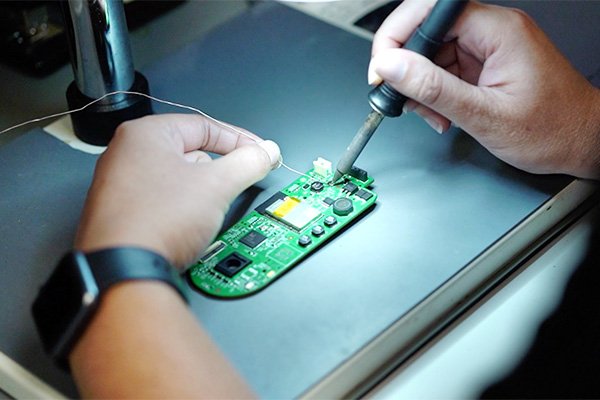
Managing risks is a fundamental aspect of developing reliable and compliant electronic products. From concept through to production, every stage of the design process presents unique challenges that can impact quality, safety, cost, and time to market. A structured approach to electronic product design risk management helps teams identify, assess, and mitigate potential issues before they escalate into costly problems.
This article offers a comprehensive overview of best practices for controlling risks in electronic product development. Whether you’re an engineer, project manager, or business leader, understanding these principles can help you deliver safer, more robust products and avoid common pitfalls. For those looking to deepen their knowledge of related processes, the electronic product design system integration guide provides additional insights into integrating complex systems effectively.
Why Risk Management Matters in Electronic Product Development
In the rapidly evolving electronics industry, new technologies and stricter regulations increase the complexity of product development. Without a proactive risk management strategy, teams may encounter:
- Unexpected failures during testing or after launch
- Non-compliance with safety and regulatory standards
- Delays due to late-stage design changes
- Increased costs from recalls or warranty claims
Implementing a systematic process for identifying and controlling risks ensures that potential issues are addressed early, improving the likelihood of project success and customer satisfaction.
Core Principles of Electronic Product Design Risk Management
Effective risk management in electronics design is built on several core principles:
- Early Identification: Detecting risks at the concept and design stages allows for cost-effective mitigation.
- Continuous Assessment: Risks should be reviewed and updated throughout the project lifecycle.
- Prioritization: Not all risks carry the same weight. Focus on those with the highest potential impact.
- Documentation: Keeping thorough records supports traceability and regulatory compliance.
- Collaboration: Involving cross-functional teams brings diverse perspectives to risk analysis.
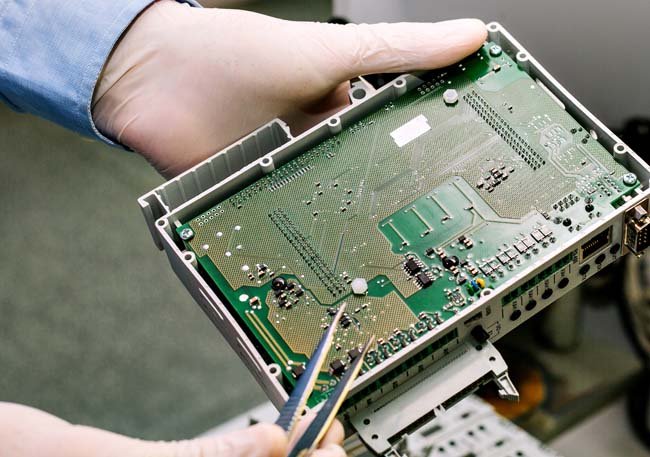
Key Steps in Managing Risks for Electronic Designs
Applying a structured risk management process to electronic product development involves several key steps:
1. Risk Identification
Begin by brainstorming and listing all possible risks that could affect the project. These may include:
- Component obsolescence or supply chain disruptions
- Design flaws leading to functional failures
- Non-compliance with industry standards
- Thermal, electrical, or mechanical hazards
- Software and firmware vulnerabilities
Tools such as Failure Modes and Effects Analysis (FMEA) and hazard checklists can help teams systematically uncover potential problems.
2. Risk Assessment and Prioritization
Once risks are identified, assess their likelihood and potential impact. Assign each risk a score based on severity and probability, then prioritize them. High-priority risks—such as those affecting safety or regulatory compliance—should be addressed first.
3. Risk Mitigation Planning
Develop strategies to minimize or eliminate each risk. Common mitigation actions include:
- Redesigning circuits or layouts to improve reliability
- Adding redundancy or fail-safes
- Specifying alternative components to prevent supply issues
- Implementing robust software validation and verification
- Ensuring compliance with relevant standards
Document all mitigation plans and assign responsibilities for implementation.
4. Implementation and Monitoring
Integrate risk controls into the design and development process. As the project progresses, monitor the effectiveness of mitigation measures and update the risk register as new issues arise or existing risks are resolved.
5. Review and Continuous Improvement
After product launch, review the risk management process to identify lessons learned. Use this feedback to improve future projects and refine your risk management framework.

Common Risk Categories in Electronic Product Design
Understanding the types of risks that frequently arise in electronics projects can help teams prepare more effectively. Some typical categories include:
- Technical Risks: Design errors, integration issues, or inadequate testing can lead to product failures.
- Supply Chain Risks: Component shortages, supplier reliability, and logistics challenges can disrupt timelines.
- Compliance Risks: Failing to meet regulatory or safety standards can result in recalls or legal penalties.
- Manufacturing Risks: Process variability, yield issues, or quality control gaps can affect product consistency.
- Market Risks: Shifts in customer preferences or competitive landscape may impact commercial success.
Addressing these risk types early in the design phase is crucial for successful product launches. For more on ensuring compliance and safety, see the electronic product design safety standards comparison.
Integrating Risk Management with Documentation and Testing
Risk management does not operate in isolation. It should be closely linked with project documentation and testing activities. Maintaining detailed records of risk assessments, mitigation actions, and outcomes is essential for traceability and regulatory audits. For guidance on creating effective documentation, refer to the electronic product design documentation workflow.
Testing—both during development and after production—validates that risk controls are effective. Incorporating risk-based testing strategies ensures that the most critical functions and failure modes receive appropriate attention. Explore the electronic product design performance testing guide for more details on this approach.
Best Practices for Effective Risk Control
To maximize the effectiveness of your risk management process, consider the following best practices:
- Start risk analysis early and revisit it regularly as the design evolves.
- Engage stakeholders from engineering, quality, procurement, and compliance teams.
- Use standardized tools and templates for risk assessment and documentation.
- Leverage lessons learned from previous projects to anticipate common pitfalls.
- Stay informed about industry trends and regulatory changes that may introduce new risks.
For organizations seeking expert support, partnering with experienced engineering firms can streamline the risk management process. Learn more about professional design and engineering services from specialized product development partners.
Linking Risk Management to Reliability Engineering
Reliability engineering and risk management are closely connected in electronics development. By systematically addressing potential failure modes and their consequences, teams can design products that perform consistently in the field. For a deeper dive into reliability concepts, see the electronic product design reliability engineering basics.
Frequently Asked Questions
What are the most common risks in electronic product design?
Frequent risks include component obsolescence, design errors, supply chain disruptions, regulatory non-compliance, and manufacturing variability. Addressing these early through structured risk analysis helps prevent costly issues later in the project.
How does risk management improve product quality?
By identifying and mitigating potential problems before they impact the final product, risk management reduces the likelihood of failures, recalls, and warranty claims. This leads to higher quality, improved reliability, and greater customer satisfaction.
Is risk management required for regulatory compliance?
Yes, many regulatory standards—such as ISO 14971 for medical devices or IEC 61508 for functional safety—require documented risk management processes. Proper risk control supports compliance and demonstrates due diligence to regulators and customers.
