

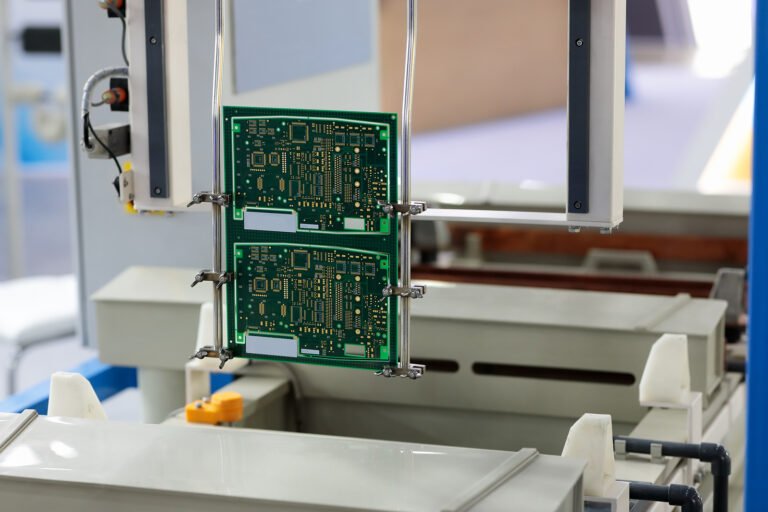
Developing innovative electronics requires a systematic approach to research and validation. Electronic product design research methods are essential for transforming ideas into reliable, manufacturable, and market-ready devices. These methods help teams identify user needs, evaluate technical feasibility, and reduce costly errors before production begins. Whether you’re designing consumer gadgets, industrial controllers, or IoT devices, understanding and applying the right research strategies can make the difference between success and failure.
This article explores the core techniques, best practices, and practical steps for effective research in electronics development. We’ll cover everything from market analysis and requirements gathering to prototyping and testing. For those interested in the broader process, the electronic product design system integration guide provides further insights into integrating research with overall design workflows.
Understanding the Role of Research in Electronics Development
In the context of electronics, research is more than just gathering information. It involves a structured process to ensure that every aspect of the design—from user needs to component selection—aligns with the intended application and market requirements. Effective research minimizes risks, supports compliance with standards, and lays the foundation for a robust product lifecycle.
Key objectives of research in this field include:
- Identifying and validating user requirements
- Assessing technical feasibility and constraints
- Benchmarking against competitors and existing solutions
- Evaluating cost, manufacturability, and scalability
- Ensuring compliance with safety and regulatory standards
Core Electronic Product Design Research Methods
There are several established approaches for conducting research during the design of electronic devices. Each method serves a unique purpose and is often used in combination for comprehensive results.
Market and User Needs Analysis
Before any technical work begins, it’s crucial to understand the target audience and their pain points. This involves:
- Conducting surveys and interviews with potential users
- Analyzing market trends and competitor products
- Reviewing feedback from similar existing devices
Insights from this phase inform the product’s feature set, usability, and differentiation strategy.
Technical Feasibility Studies
Once user requirements are clear, teams must assess whether the concept is technically achievable. This includes:
- Evaluating available technologies and components
- Performing simulations and calculations for critical circuits
- Reviewing patents and prior art to avoid infringement
Feasibility studies help identify potential obstacles early, saving time and resources down the line.
Prototyping and Iterative Testing
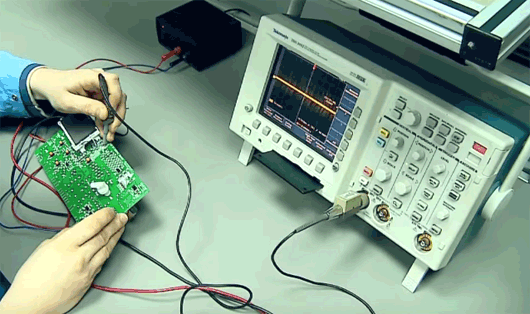
Building prototypes allows designers to test concepts in real-world scenarios. Key activities include:
- Rapid prototyping using breadboards or development kits
- Functional testing to validate core features
- Iterative refinement based on test results and user feedback
This hands-on approach uncovers design flaws and usability issues that may not be apparent on paper.
Cost Analysis and Manufacturability Assessment
Researching the cost and practicality of manufacturing is vital for commercial viability. Important steps are:
- Estimating bill of materials (BOM) and production costs
- Assessing supply chain risks and component availability
- Evaluating assembly and testing processes for scalability
Cost analysis ensures the product can be produced within budget and at the desired quality level.
Compliance and Standards Research
Electronics must meet various safety, electromagnetic compatibility (EMC), and environmental standards. Research in this area involves:
- Identifying applicable regulations for target markets
- Reviewing certification requirements (e.g., CE, FCC, RoHS)
- Planning for testing and documentation
For a deeper dive into this topic, see the electronic product design safety standards comparison for a breakdown of key regulatory frameworks.
Best Practices for Effective Research in Electronics Design
Applying research methods effectively requires a balance of technical rigor and practical decision-making. Consider these best practices:
- Document findings thoroughly: Maintain clear records of research data, decisions, and rationale. The electronic product design documentation workflow offers guidance on organizing this information efficiently.
- Engage stakeholders early: Involve end-users, engineers, and business teams from the outset to ensure alignment and gather diverse perspectives.
- Iterate based on evidence: Use research findings to drive design changes, rather than relying on assumptions or intuition.
- Leverage external expertise: Collaborate with industry partners or consult specialized services, such as those described in this overview of professional electronic design research services, to fill knowledge gaps or accelerate development.
Integrating Research with the Full Product Lifecycle
Research is not a one-time event; it should be integrated throughout the product development lifecycle. From initial concept to post-launch support, continuous learning and adaptation are key. For example, insights gained during electronic product design research methods can inform later stages such as reliability engineering and performance testing. The electronic product design performance testing guide and electronic product design reliability engineering basics provide further reading on how research supports these critical phases.
Common Challenges and How to Overcome Them
Even with a structured approach, teams may encounter obstacles during research. Some common challenges include:
- Information overload: Prioritize credible sources and focus on data that directly impacts design decisions.
- Changing requirements: Use agile methods to accommodate evolving user needs and market conditions.
- Resource constraints: Leverage simulation tools and rapid prototyping to validate ideas efficiently.
- Regulatory complexity: Stay updated on standards and seek expert advice when needed.
Addressing these issues early helps keep projects on track and reduces the risk of costly rework.
FAQ
What are the main types of research used in electronics design?
The primary types include market and user analysis, technical feasibility studies, prototyping and testing, cost and manufacturability assessment, and compliance research. Each type addresses a specific aspect of product development and helps ensure a successful outcome.
How does research improve the reliability of electronic products?
Research identifies potential failure points, informs component selection, and validates design choices through testing. By systematically addressing risks and uncertainties, teams can build more reliable and robust products that meet user expectations and regulatory requirements.
Why is documentation important in electronic product research?
Thorough documentation ensures that research findings, decisions, and design changes are recorded for future reference. This supports collaboration, regulatory compliance, and efficient troubleshooting throughout the product lifecycle.
