

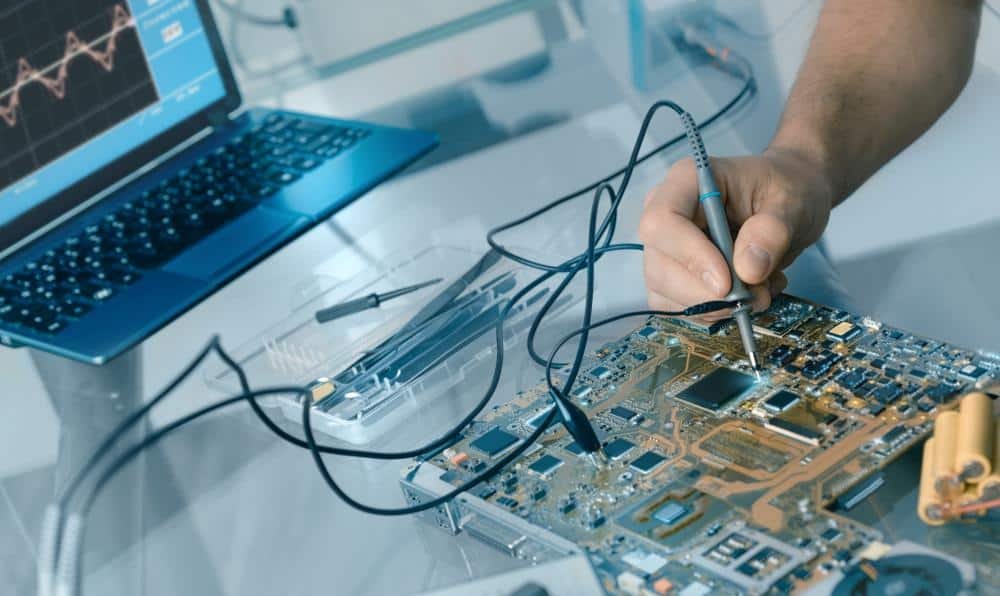
The journey from concept to market-ready electronic products is complex, requiring careful coordination across multiple disciplines. Electronic product design lifecycle management is the structured approach that ensures every stage—ideation, prototyping, manufacturing, and end-of-life—is optimized for quality, efficiency, and compliance. By applying best practices throughout the lifecycle, companies can reduce time-to-market, control costs, and deliver reliable products that meet evolving customer needs.
Whether you are a startup developing your first device or an established manufacturer refining your processes, understanding the full lifecycle is critical. This guide explores the essential phases, key challenges, and proven strategies for managing electronic product development from start to finish. For those looking to deepen their understanding of performance validation, the electronic product design performance testing guide offers valuable insights into ensuring your designs meet rigorous standards.
Understanding the Electronic Product Lifecycle
The lifecycle of an electronic product encompasses all activities from initial concept through to disposal or recycling. Effective electronic product design lifecycle management involves a holistic view, integrating design, engineering, supply chain, and customer feedback. Each phase presents unique challenges and opportunities for optimization.
Key Stages in the Lifecycle
- Concept and Feasibility: Identifying market needs, defining requirements, and assessing technical and financial viability.
- Design and Development: Creating schematics, selecting components, developing firmware, and building prototypes.
- Testing and Validation: Ensuring the product meets performance, safety, and regulatory standards. For more on this, see the electronic product design performance testing guide.
- Manufacturing and Assembly: Scaling up for production, managing suppliers, and ensuring quality control.
- Deployment and Support: Launching the product, providing customer support, and managing updates or recalls.
- End-of-Life: Planning for product retirement, recycling, or disposal in compliance with environmental regulations.

Best Practices for Managing the Design Lifecycle
To achieve successful outcomes, organizations must adopt robust processes and tools throughout the lifecycle. Here are several best practices for managing the development and evolution of electronic products:
- Cross-Functional Collaboration: Encourage open communication between engineering, procurement, manufacturing, and support teams from the earliest stages.
- Requirements Management: Clearly document and track requirements to prevent scope creep and ensure alignment with customer needs.
- Iterative Prototyping: Use rapid prototyping to validate concepts early, identify design flaws, and reduce costly changes later.
- Change Control: Implement formal processes for managing design changes, including version control and impact analysis.
- Supplier Integration: Engage suppliers early to ensure component availability, cost-effectiveness, and compliance with standards.
- Lifecycle Cost Analysis: Assess total cost of ownership, including manufacturing, support, and end-of-life, to inform design decisions. For a deeper dive, consult the electronic product lifecycle cost analysis resource.
Tools and Technologies Supporting Lifecycle Management
Modern product development relies on specialized software and platforms to streamline processes and improve traceability. Key tools include:
- Product Lifecycle Management (PLM) Systems: Centralize data, manage documentation, and automate workflows across the organization.
- Computer-Aided Design (CAD): Enable detailed modeling, simulation, and integration of mechanical and electronic components.
- Bill of Materials (BOM) Management: Track components, suppliers, and costs throughout the lifecycle.
- Compliance Management: Ensure adherence to industry standards and regulatory requirements, such as RoHS, REACH, or FCC.
For more foundational information on the subject, the introduction to electronic product design provides a comprehensive overview of the discipline.
Challenges and Solutions in Lifecycle Management
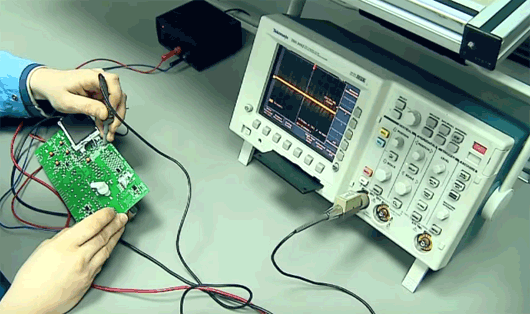
Managing the full journey of an electronic product involves navigating several challenges. These include rapidly changing technologies, supply chain disruptions, regulatory shifts, and customer expectations for sustainability. Addressing these issues requires both strategic planning and tactical execution.
- Component Obsolescence: Proactively monitor suppliers and maintain alternative sourcing strategies to avoid production delays.
- Quality Assurance: Integrate testing and validation throughout development, leveraging resources like the electronic product design performance testing guide for best practices.
- Localization and Compliance: Adapt products for different markets, considering language, regulatory, and cultural factors. The electronic product localization considerations article offers practical guidance on this topic.
- Mechanical and PCB Integration: Ensure seamless collaboration between hardware and mechanical teams. Refer to the electronic product mechanical integration guide and the electronic product design pcb material selection guide for detailed advice.
Optimizing for Sustainability and End-of-Life
Sustainability is increasingly important in the electronics industry. Effective lifecycle management includes planning for responsible sourcing, energy efficiency, and environmentally friendly disposal or recycling. Considerations include:
- Eco-Design: Select materials and components with lower environmental impact and design for recyclability.
- Regulatory Compliance: Stay up-to-date with environmental regulations such as WEEE, RoHS, and local recycling laws.
- Take-Back Programs: Implement systems for collecting and recycling end-of-life products to reduce landfill waste.
By integrating sustainability into every phase, organizations not only meet regulatory requirements but also enhance brand reputation and customer loyalty.
Frequently Asked Questions
What is electronic product design lifecycle management?
It is a structured approach to overseeing all phases of electronic product development, from initial concept through to end-of-life. This process ensures quality, compliance, and efficiency by coordinating design, engineering, manufacturing, and support activities.
Why is lifecycle management important for electronic products?
Effective management reduces development costs, shortens time-to-market, improves product quality, and ensures compliance with industry standards. It also helps organizations adapt to market changes and technological advancements.
How can companies address component obsolescence in electronic products?
By monitoring supplier updates, maintaining alternative sourcing strategies, and designing products with flexibility for component substitutions, companies can minimize the risks associated with obsolete parts.
Conclusion
Mastering electronic product design lifecycle management is essential for delivering innovative, reliable, and compliant products in today’s competitive market. By embracing best practices, leveraging modern tools, and planning for sustainability, organizations can navigate challenges and achieve long-term success. For further reading on related topics, explore resources like the electronic product lifecycle cost analysis and electronic product localization considerations guides.
