

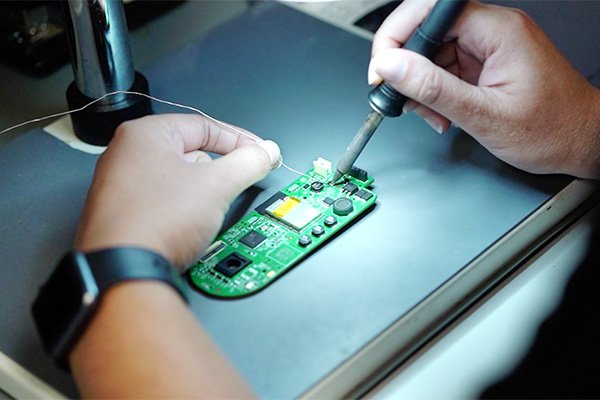
Effective management of heat is a core challenge in modern electronic product development. As devices become smaller and more powerful, the risk of overheating increases, making smart thermal design a necessity. This article offers practical advice and proven strategies for optimizing thermal performance, ensuring reliability, and extending the lifespan of your electronics. Whether you’re an engineer, product manager, or manufacturer, understanding these electronic product design heat dissipation tips will help you avoid common pitfalls and deliver robust products to market.
Thermal issues can lead to degraded performance, shortened component life, and even catastrophic failure. That’s why integrating sound heat dissipation practices early in the design phase is essential. For a deeper dive into related engineering considerations, you may also find the electronic product design performance testing guide helpful as you plan your next project.
Why Thermal Management Matters in Electronics
Heat is a byproduct of electrical activity. As circuits operate, they generate thermal energy that must be managed to prevent excessive temperature rise. Poor thermal design can result in:
- Reduced component reliability and shorter product lifespan
- Unexpected shutdowns or malfunctions
- Performance throttling due to overheating
- Safety hazards, including fire risk
By applying electronic product design heat dissipation tips during the initial design stages, you can minimize these risks and ensure consistent performance.
Key Principles for Effective Heat Dissipation
Successful thermal management relies on a combination of design foresight, material selection, and testing. Here are several foundational principles to guide your approach:
- Minimize Heat Generation: Choose efficient components and optimize circuit layouts to reduce unnecessary power consumption.
- Maximize Heat Transfer: Use materials and structures that efficiently transfer heat away from sensitive components.
- Facilitate Heat Removal: Design enclosures and assemblies that allow heat to escape, either passively or with active cooling.
Component Placement and PCB Layout Strategies
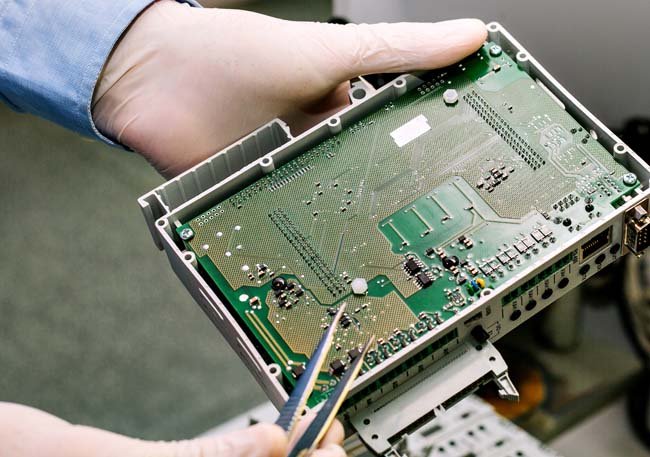
The arrangement of components on a printed circuit board (PCB) plays a significant role in thermal performance. Here are some practical layout tips:
- Separate Heat Sources: Place high-power components apart from each other to prevent localized hotspots.
- Use Thermal Vias: Integrate vias under heat-generating chips to conduct heat to inner or opposite PCB layers.
- Maximize Copper Area: Larger copper pours and planes act as heat spreaders, dissipating thermal energy more effectively.
- Optimize Airflow Paths: Arrange components to allow unobstructed airflow, especially if forced cooling is used.
For more on selecting the right materials for your PCB, the electronic product design pcb material selection resource provides in-depth guidance.
Material Choices for Enhanced Thermal Performance
Material selection is a cornerstone of effective heat management. Consider the following options:
- Thermally Conductive Substrates: Use substrates with higher thermal conductivity, such as aluminum-backed PCBs, for applications with significant heat loads.
- Thermal Interface Materials (TIMs): Apply TIMs between components and heat sinks to reduce thermal resistance and improve heat transfer.
- Enclosure Materials: Choose metals or thermally enhanced plastics for enclosures to facilitate heat dissipation.
Matching the right materials to your application is critical for both performance and cost-effectiveness. If you’re considering the broader impact of your choices, the electronic product lifecycle cost analysis guide can help you weigh thermal needs against budget constraints.

Passive and Active Cooling Methods
There are two primary approaches to removing heat from electronic assemblies: passive and active cooling. Each has its advantages and ideal use cases.
Passive Cooling Techniques
- Heat Sinks: Attach metal fins to heat-generating components to increase surface area and promote natural convection.
- Thermal Pads and Tapes: Use these materials to bridge gaps between components and heat sinks or enclosures.
- Ventilation: Design enclosures with vents or slots to allow warm air to escape and cooler air to enter.
Active Cooling Techniques
- Fans: Integrate small fans to force air over critical components or through the enclosure.
- Blowers: Use blowers for directed airflow in confined spaces.
- Thermoelectric Coolers: Employ Peltier devices for high-performance applications where precise temperature control is needed.
Choosing between passive and active cooling depends on your product’s power profile, size constraints, and environmental requirements. For more on integrating these methods into your mechanical design, refer to the electronic product mechanical integration guide.
Design Validation and Thermal Testing
Even the best theoretical designs require validation through testing. Here’s how to ensure your heat dissipation strategies are working as intended:
- Thermal Simulation: Use software tools to model heat flow and predict temperature rise before prototyping.
- Prototype Testing: Build and test early prototypes under worst-case operating conditions to measure real-world temperatures.
- Iterative Refinement: Use test results to refine your design, adjusting component placement, materials, or cooling methods as needed.
Comprehensive testing not only ensures compliance with safety standards but also builds confidence in your product’s reliability. For broader insights on localization and market adaptation, the electronic product localization considerations article is a valuable resource.
Common Pitfalls and How to Avoid Them
Many thermal management issues arise from avoidable mistakes. Here are some common pitfalls and how to sidestep them:
- Neglecting Early Thermal Analysis: Address heat dissipation from the outset, not as an afterthought.
- Underestimating Power Density: As devices shrink, power per unit area increases, requiring more aggressive cooling.
- Ignoring Environmental Factors: Consider ambient temperature, airflow restrictions, and installation orientation in your design.
- Overlooking Maintenance: Design for easy cleaning and replacement of fans or filters to maintain long-term performance.
Leveraging Expert Resources and Partners
Thermal management is a specialized field. Collaborating with experienced partners and leveraging expert resources can accelerate your development process and reduce risk. For additional engineering support, explore the design and engineering services offered by industry specialists who can help you optimize your product for both performance and manufacturability.
FAQ: Heat Dissipation in Electronic Devices
What are the most effective ways to reduce heat in compact electronics?
In compact devices, maximizing copper area on the PCB, using thermal vias, and selecting thermally conductive materials are crucial. Passive cooling methods like heat sinks and well-designed ventilation are often preferred due to space and power constraints. For higher-power applications, consider miniature fans or advanced materials to further enhance heat removal.
How can I tell if my product’s thermal design is sufficient?
Thermal sufficiency is best validated through a combination of simulation and real-world testing. Monitor component temperatures under maximum load and ensure they remain within manufacturer-specified limits. If you observe temperatures approaching critical thresholds, consider redesigning your layout, upgrading materials, or adding cooling features.
Is it possible to improve heat dissipation without increasing product size?
Yes, several strategies can enhance thermal performance without making devices larger. These include optimizing PCB layout, using high-conductivity materials, integrating thermal interface materials, and improving enclosure ventilation. Sometimes, small design tweaks—like repositioning vents or increasing copper thickness—can yield significant benefits.
