


Effective grounding is a cornerstone of electronic product design grounding techniques, ensuring device safety, signal integrity, and compliance with regulatory standards. Whether developing consumer electronics, industrial controls, or IoT devices, understanding grounding fundamentals is essential for every engineer and product developer. This guide explores the principles, best practices, and practical considerations for implementing robust grounding in electronic products.
For those interested in a broader perspective on integrating subsystems within devices, the electronic product design system integration guide offers valuable insights into harmonizing design elements for optimal performance.
Why Grounding Matters in Electronic Product Design
Grounding is more than just a safety measure—it’s a critical factor in the overall performance and reliability of electronic systems. Proper grounding mitigates electromagnetic interference (EMI), reduces the risk of electric shock, and ensures consistent operation of sensitive circuits. Inadequate grounding can lead to erratic behavior, data corruption, or even catastrophic device failure.
By applying proven electronic product design grounding techniques, engineers can:
- Minimize noise and crosstalk between signal lines
- Protect components from voltage surges and static discharge
- Enhance electromagnetic compatibility (EMC) and pass regulatory tests
- Prevent ground loops and unintended current paths
Types of Grounding Methods in Electronics
There are several grounding strategies used in electronic product development. The choice depends on the application’s complexity, safety requirements, and the environment in which the device operates.
Single-Point Grounding
Single-point, or “star,” grounding connects all ground returns to a single reference node. This method is effective in low-frequency analog circuits and helps prevent ground loops. However, it may not be suitable for high-frequency or large-scale systems due to increased impedance over long ground traces.
Multi-Point Grounding
Multi-point grounding connects ground returns at multiple locations, typically at each module or subsystem. This approach is preferred in high-frequency digital circuits, as it reduces impedance and provides shorter return paths for high-speed signals. Careful layout is required to avoid introducing noise between ground points.
Hybrid Grounding Approaches
Complex products often require a combination of single-point and multi-point grounding. For example, analog and digital sections might use separate ground planes, joined at a single point to manage noise while maintaining a common reference.

PCB Layout Considerations for Grounding
Printed circuit board (PCB) design plays a pivotal role in implementing effective grounding. Here are some key layout guidelines:
- Use a solid ground plane: A continuous ground layer beneath signal traces offers a low-impedance path for return currents and shields against EMI.
- Minimize ground breaks: Avoid splitting the ground plane, which can force return currents to take longer, noisier paths.
- Short, direct connections: Keep ground traces as short and wide as possible to reduce resistance and inductance.
- Stitching vias: Use multiple vias to connect ground planes across PCB layers, especially near high-frequency components.
- Isolate sensitive circuits: Separate analog and digital grounds, joining them at a single point to prevent digital noise from affecting analog signals.
For more on ensuring robust and reliable products, the electronic product design reliability engineering basics article covers key reliability strategies in electronics.
Addressing Ground Loops and EMI
Ground loops occur when there are multiple ground paths between two points, creating unintended current flows that can introduce noise and hum. To prevent ground loops:
- Use single-point grounding where feasible
- Break ground loops by isolating grounds with opto-isolators or transformers
- Route sensitive signal returns close to their corresponding ground paths
Electromagnetic interference is another challenge in electronic assemblies. Shielding, careful PCB layout, and proper cable grounding are essential to minimize EMI. For further reading on manufacturing and design best practices, see this comprehensive overview of electronic design and manufacturing.
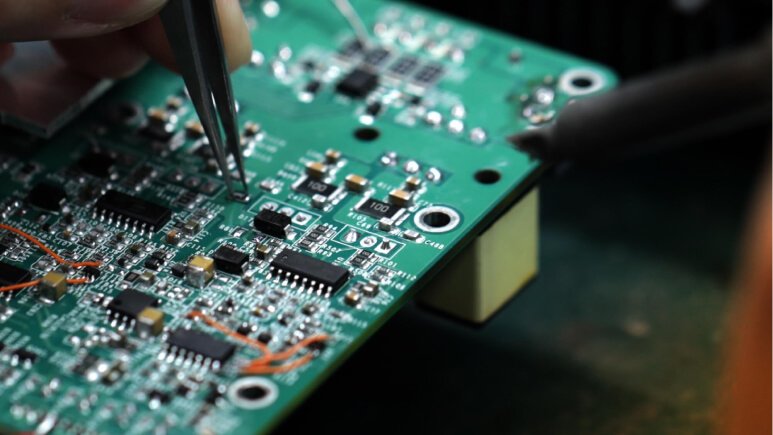
Best Practices for Implementing Grounding in Product Development
Applying the right electronic product design grounding techniques from the outset can save time, reduce costs, and prevent late-stage compliance issues. Consider these best practices:
- Plan grounding early: Integrate grounding strategies during schematic and PCB layout phases, not as an afterthought.
- Document grounding schemes: Clearly indicate ground types, connections, and isolation points in design documentation. The electronic product design documentation workflow resource provides guidance on effective documentation.
- Test for ground integrity: Use continuity and impedance measurements to verify ground connections during prototyping and production.
- Follow safety standards: Adhere to relevant safety and EMC regulations for your product category. For a comparison of standards, consult the electronic product design safety standards comparison.
- Iterate and validate: Perform EMC and safety testing on prototypes, refining grounding as needed to resolve issues.
Common Grounding Mistakes and How to Avoid Them
Even experienced engineers can overlook grounding pitfalls. Here are some frequent mistakes and tips for avoiding them:
- Using thin or long ground traces, which increase resistance and noise susceptibility
- Overlooking ground loops in multi-board or interconnected systems
- Failing to separate analog and digital grounds in mixed-signal designs
- Neglecting to connect shields or enclosures to ground properly
- Relying solely on chassis ground without considering signal reference needs
By proactively addressing these issues, you can achieve more robust and reliable electronic products.
Testing and Verifying Grounding Effectiveness
Validation is a critical step in ensuring that grounding strategies perform as intended. Key verification methods include:
- Continuity testing: Confirm all ground points are electrically connected as designed.
- Impedance measurement: Use specialized equipment to check for low-impedance paths between ground points.
- EMC pre-compliance testing: Identify and address grounding-related EMI issues before formal certification.
- Thermal analysis: Ensure ground paths can handle expected fault currents without excessive heating.
For more on performance validation, the electronic product design performance testing guide provides a detailed look at testing strategies for electronic assemblies.
FAQ: Grounding in Electronic Product Design
What is the main purpose of grounding in electronic devices?
The primary purpose of grounding is to provide a safe, low-impedance path for fault currents, protect users from electric shock, and ensure stable operation by minimizing electrical noise and interference.
How do I choose between single-point and multi-point grounding?
Single-point grounding is best for low-frequency analog circuits to prevent ground loops, while multi-point grounding is preferred for high-frequency digital systems to reduce impedance and support fast signal return paths. Hybrid approaches are often used in mixed-signal designs.
What are common signs of grounding problems in a product?
Symptoms of grounding issues include unexpected resets, data corruption, excessive EMI emissions, audible hum, or failing EMC compliance tests. These problems often trace back to poor grounding layout or ground loops.
Conclusion
Mastering electronic product design grounding techniques is essential for building safe, reliable, and compliant devices. By understanding grounding fundamentals, planning early, and validating designs through testing, engineers can minimize risk and deliver high-quality products to market. For additional resources and in-depth guides on related topics, explore the linked articles throughout this guide.
