

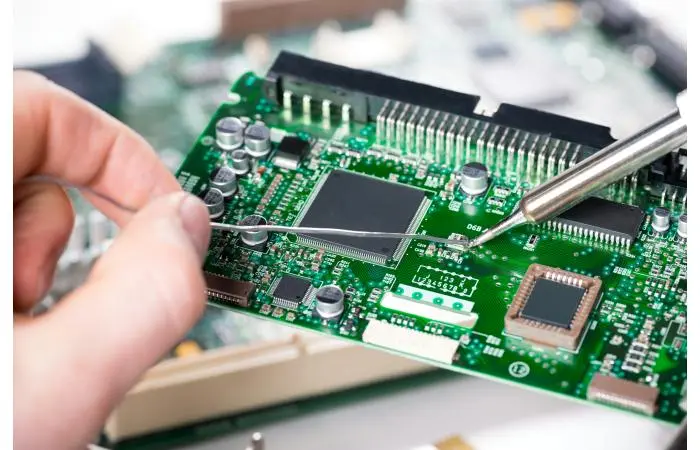
Bringing a new electronic product to market involves more than just innovative features or sleek aesthetics. One of the most critical factors that determines success is electronic product design for manufacturability (DFM). This approach ensures that products are not only functional and reliable but also optimized for efficient, cost-effective, and high-quality manufacturing.
By considering manufacturing constraints early in the design process, teams can avoid costly redesigns, reduce time to market, and improve product quality. Whether you’re developing a consumer gadget, industrial controller, or IoT device, understanding the principles of DFM is essential for a smooth transition from prototype to mass production.
For those interested in ensuring robust performance throughout the product lifecycle, the electronic product design performance testing guide offers valuable insights into testing strategies that complement DFM principles.
Understanding the Importance of Manufacturability in Electronics
Manufacturability refers to the ease with which a product can be produced at scale, meeting quality standards and cost targets. In the context of electronics, this means designing printed circuit boards (PCBs), enclosures, and assemblies with manufacturing processes in mind. Overlooking these considerations can lead to:
- Increased production costs due to complex or non-standard components
- Delays from unanticipated manufacturing challenges
- Quality issues such as poor solder joints or assembly errors
- Difficulty scaling from prototype to mass production
Integrating electronic product design for manufacturability from the outset helps mitigate these risks and streamlines the entire development process.
Key Principles of DFM for Electronic Products
Successful implementation of DFM in electronics requires attention to several core principles. These guidelines help designers create products that are both innovative and practical to manufacture.
Component Selection and Standardization
Choosing readily available, standard components is a cornerstone of DFM. Using off-the-shelf parts reduces lead times, lowers costs, and minimizes supply chain risks. Avoiding obsolete or hard-to-source components also ensures long-term product viability.
Optimizing PCB Layout for Manufacturability
The layout of a PCB has a significant impact on assembly efficiency and reliability. Consider the following best practices:
- Maintain consistent trace widths and spacing to facilitate automated assembly
- Group similar components to simplify placement and soldering
- Minimize the use of vias and complex layer stacks unless necessary
- Ensure adequate clearances for testing and inspection

For more details on selecting the right materials for your PCB, the electronic product design pcb material selection guide provides in-depth recommendations.
Designing for Automated Assembly
Modern electronics manufacturing relies heavily on automation. To maximize compatibility with automated assembly lines:
- Use surface-mount technology (SMT) components where possible
- Orient polarized components consistently
- Include fiducial marks for pick-and-place machine alignment
- Design PCBs with panelization in mind for efficient handling
Mechanical Integration and Enclosure Design
Mechanical design plays a vital role in manufacturability. Enclosures should be easy to assemble, require minimal fasteners, and allow for straightforward access to connectors and test points. Collaboration between electrical and mechanical engineers is crucial to avoid misalignments or assembly bottlenecks.
For a deeper dive into integrating electronics with mechanical components, the electronic product mechanical integration guide is a helpful resource.
Cost, Quality, and Time-to-Market Considerations
Balancing cost, quality, and speed is a constant challenge in product development. DFM helps achieve this balance by:
- Reducing the need for manual rework and inspection
- Lowering defect rates through robust design choices
- Shortening production cycles by minimizing complexity
It’s also important to factor in lifecycle costs, not just initial manufacturing expenses. The electronic product lifecycle cost analysis guide explores strategies for evaluating total cost of ownership from design through end-of-life.
Design Validation and Testing for Manufacturability
Before moving to full-scale production, thorough validation and testing are essential. This includes:
- Prototype builds to identify assembly or component issues
- Design for Test (DFT) features such as test points and accessible connectors
- Collaboration with manufacturing partners to review design files and assembly instructions
Early and frequent testing reduces the risk of costly changes later in the process and ensures the final product meets both functional and manufacturability requirements.
Common Pitfalls and How to Avoid Them
Even experienced teams can encounter challenges when scaling up production. Some frequent pitfalls in electronic product design for manufacturability include:
- Overly complex designs that are difficult to assemble or test
- Neglecting to consult with manufacturing partners early in the process
- Failing to account for component tolerances and variations
- Underestimating the impact of supply chain disruptions
To avoid these issues, maintain open communication with suppliers and contract manufacturers, conduct regular design reviews, and stay updated on industry best practices.
Working with Manufacturing Partners
Collaboration is key to successful product launches. Involving manufacturing experts early can provide valuable feedback on design choices, material selection, and assembly methods. This partnership can also help identify cost-saving opportunities and ensure compliance with industry standards.
For those evaluating outsourcing or freelance design services, resources such as cost and pricing guides for electronic product design services can help set realistic budgets and expectations.
Localization and Regulatory Considerations
When designing electronics for global markets, it’s important to consider local manufacturing capabilities, regulatory requirements, and certification processes. Adapting designs to meet regional standards can prevent costly delays and open up new market opportunities. The electronic product localization considerations article offers practical advice on navigating these challenges.
Frequently Asked Questions
What is the main goal of designing electronics for manufacturability?
The primary objective is to create products that can be manufactured efficiently, reliably, and at scale, while minimizing costs and quality issues. This involves considering manufacturing processes, component selection, and assembly methods from the earliest design stages.
How can I ensure my PCB design is optimized for manufacturing?
Follow best practices such as using standard components, minimizing complex features, grouping similar parts, and including clear silkscreen markings. Collaborate with your manufacturing partner to review the design and address any potential assembly challenges before production.
Why is early collaboration with manufacturers important?
Engaging manufacturing experts early helps identify potential issues, optimize design choices, and streamline the transition from prototype to mass production. This reduces the risk of costly redesigns and accelerates time to market.
Conclusion
Prioritizing electronic product design for manufacturability is essential for delivering high-quality, cost-effective, and scalable electronic products. By integrating DFM principles throughout the design process, teams can avoid common pitfalls, reduce production costs, and achieve faster time-to-market. Leveraging internal and external resources, maintaining open communication with manufacturing partners, and staying informed about industry trends are all crucial steps toward successful product launches in today’s competitive electronics landscape.
