

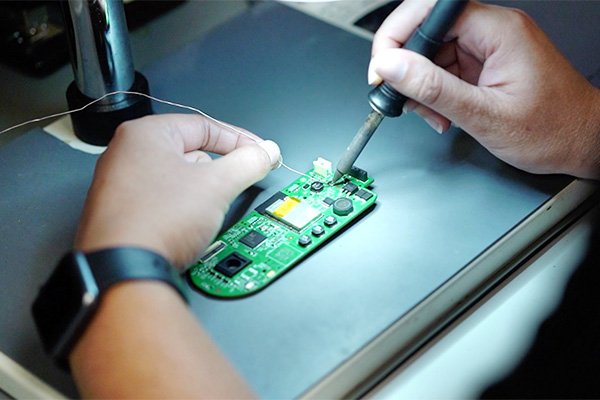
As the demand for portable and battery-powered devices continues to grow, electronic product design for low power consumption has become a top priority for engineers and manufacturers. Efficient energy management not only extends battery life but also reduces heat, improves reliability, and supports sustainability goals. Whether you’re developing wearable technology, IoT sensors, or consumer electronics, understanding how to minimize power usage is essential for delivering competitive and environmentally responsible products.
In this guide, we’ll explore the core strategies, best practices, and considerations that drive successful low-power electronic development. We’ll also highlight practical tips, common pitfalls, and resources to help you optimize your next project from concept to production.
For a deeper dive into related topics such as reliability and compliance, you may find the electronic product design performance testing guide helpful as you plan your next device.
Key Principles of Low Power Electronic Development
Effective electronic product design for low power consumption starts with a clear understanding of where and how energy is used within a system. The following principles serve as a foundation for any low-power project:
- Component Selection: Choose microcontrollers, sensors, and ICs that are optimized for minimal current draw and support low-power modes.
- Efficient Circuit Topology: Design circuits that reduce unnecessary current paths and avoid leakage.
- Dynamic Power Management: Implement strategies to switch off or throttle subsystems when not in use.
- Software Optimization: Write firmware that leverages sleep states, interrupts, and efficient algorithms to minimize active time.
- Voltage and Frequency Scaling: Operate devices at the lowest practical voltage and clock frequency to reduce consumption.
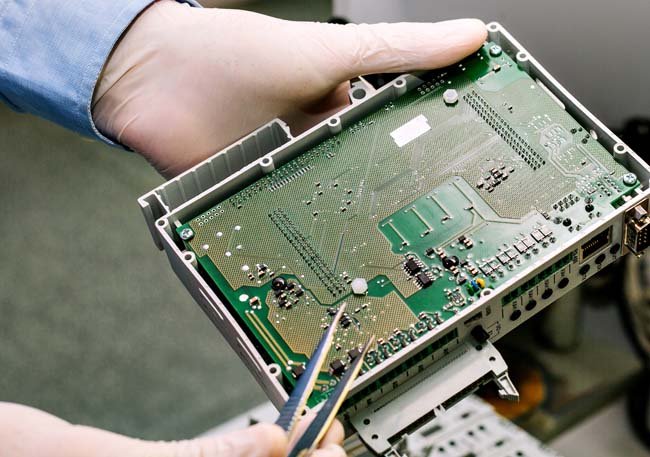
Component Choices That Impact Power Efficiency
The selection of hardware components is one of the most influential factors in achieving low energy usage. Here are some considerations for each major category:
- Microcontrollers (MCUs): Look for MCUs with ultra-low-power sleep modes, fast wake-up times, and integrated power management features.
- Wireless Modules: Prefer communication protocols like Bluetooth Low Energy (BLE) or Zigbee, which are designed for minimal transmission power.
- Sensors: Use digital sensors with built-in power-saving capabilities and low standby currents.
- Voltage Regulators: Choose high-efficiency switching regulators over linear ones when possible, especially for higher current loads.
- Displays: Consider e-paper or OLED screens, which can consume far less power than traditional LCDs, especially for static images.
For more details on how material choices affect power and performance, the electronic product design pcb material selection article provides valuable insights.
Design Techniques for Reducing Power Consumption
Beyond hardware selection, the architecture and layout of your circuit can significantly influence overall efficiency. Here are some proven approaches:
- Minimize Quiescent Current: Select components with low standby current and design power rails that can be fully disabled when not needed.
- Segment Power Domains: Divide your system into separate power domains so that only essential parts are powered at any given time.
- Use Pull-Down/Pull-Up Resistors Wisely: Avoid unnecessary current paths by correctly sizing resistors and eliminating floating inputs.
- Optimize PCB Layout: Shorter traces and careful placement reduce parasitic capacitance and inductance, which can lower losses.
- Implement Power Gating: Use MOSFETs or load switches to disconnect non-critical subsystems during idle periods.

Firmware and Software Strategies for Energy Savings
Software plays a critical role in electronic product design for low power consumption. Even the most efficient hardware can be undermined by poorly optimized code. Consider these techniques:
- Sleep and Idle Modes: Ensure the firmware aggressively uses sleep, deep sleep, or idle states whenever possible.
- Interrupt-Driven Operation: Replace polling loops with interrupts so the processor only wakes when necessary.
- Duty Cycling: Schedule tasks in bursts and allow the system to remain inactive between operations.
- Peripheral Management: Power down unused peripherals and modules through software control.
- Efficient Algorithms: Use lightweight, optimized routines to minimize processor cycles and memory access.
For global products, it’s also important to consider electronic product localization considerations to ensure compliance and efficiency across different regions.
Testing and Validation for Low Power Designs
Verifying that your device meets its power targets is just as important as the design itself. Here’s how to approach validation:
- Current Profiling: Use precision measurement tools to monitor current draw in all device states (active, idle, sleep).
- Battery Life Estimation: Simulate real-world usage scenarios to predict operational time between charges or battery replacements.
- Thermal Analysis: Monitor for excessive heat, which may indicate inefficiencies or leakage paths.
- Long-Term Testing: Run extended tests to catch issues like memory leaks or unexpected wake-ups that can drain power over time.
For a comprehensive approach to cost and performance, review the electronic product lifecycle cost analysis guide.
Manufacturing and Compliance Considerations
Low power objectives must be maintained throughout the manufacturing process and into the product’s lifecycle. Key considerations include:
- Component Sourcing: Ensure suppliers provide components that meet your specified power ratings and tolerances.
- Assembly Quality: Poor solder joints or PCB defects can increase leakage and reduce efficiency.
- Regulatory Compliance: Many regions have energy efficiency standards for electronic devices; ensure your design meets all relevant requirements.
- End-of-Life Planning: Design for recyclability and minimal environmental impact by selecting eco-friendly materials and processes.
For expert support in optimizing your device for energy efficiency and manufacturability, consider consulting with a professional electronic design and engineering partner.
Common Pitfalls and How to Avoid Them
Even experienced engineers can encounter challenges when aiming for minimal power usage. Here are some frequent mistakes and how to prevent them:
- Overlooking Sleep Currents: Always measure and optimize sleep mode consumption, not just active current.
- Ignoring Firmware Updates: Unoptimized or outdated firmware can waste energy; plan for efficient over-the-air updates.
- Underestimating Leakage: Pay attention to leakage currents in both components and PCB layout, especially in high-impedance designs.
- Poor Power Sequencing: Incorrect power-up or shutdown sequences can cause unnecessary surges or residual consumption.
- Neglecting User Behavior: Real-world usage patterns may differ from lab tests; gather user data to refine power management strategies.
Integrating mechanical considerations early can also help avoid costly redesigns. The electronic product mechanical integration guide offers practical advice for seamless development.
FAQ: Low Power Electronic Product Design
What are the most effective ways to reduce power usage in electronic devices?
The most effective strategies include selecting low-power components, implementing dynamic power management, optimizing firmware for sleep and idle states, and designing efficient circuit layouts. Combining hardware and software techniques is key to achieving the lowest possible energy consumption.
How can I estimate the battery life of my product?
Start by measuring the current draw in all operational modes (active, idle, sleep). Calculate the average current based on expected usage patterns, then divide the battery capacity by this value to estimate runtime. Simulate real-world scenarios for more accurate predictions.
Why is firmware optimization important for low power designs?
Firmware controls how often the processor and peripherals are active. Efficient code can minimize wake-ups, reduce unnecessary processing, and ensure that hardware spends as much time as possible in low-power states. Even the best hardware can be compromised by inefficient software.
