

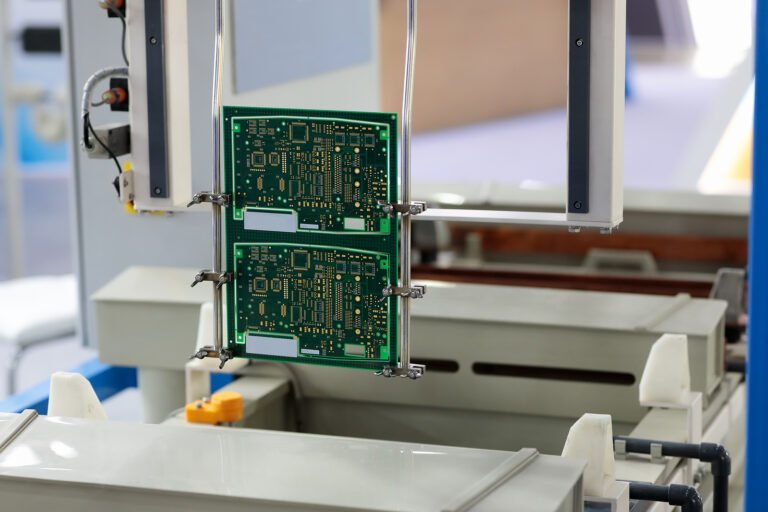
The rapid expansion of the Internet of Things (IoT) has transformed how we interact with technology, making electronic product design for IoT devices a critical discipline in modern engineering. Developing connected products involves unique challenges, from hardware integration and connectivity to security and scalability. This guide provides a comprehensive overview of the essential steps, considerations, and best practices for designing robust, reliable IoT electronics that meet today’s market demands.
Whether you’re an engineer, product manager, or entrepreneur, understanding the intricacies of IoT device development can help you create solutions that are not only innovative but also practical and market-ready. For a deeper dive into related topics, you may also find value in our electronic product design system integration guide, which explores how to bring together complex components into a cohesive system.
Key Principles in Connected Device Engineering
Designing electronics for IoT applications requires a multidisciplinary approach. Here are some foundational principles to consider:
- Connectivity: Selecting the right wireless protocol (Wi-Fi, Bluetooth, Zigbee, LoRa, NB-IoT, etc.) is essential for device interoperability and power efficiency.
- Power Management: Many IoT devices operate on batteries or energy harvesting, making low-power design a top priority.
- Security: Protecting data and device integrity is crucial, especially as IoT networks grow in scale and complexity.
- Scalability: The design should accommodate future updates, additional sensors, and increased data throughput.
- Reliability: Devices must function consistently in diverse environments, often without direct human intervention.
Stages of IoT Device Development
The process of electronic product design for IoT devices typically follows a structured path from concept to deployment. Each stage presents its own set of technical and business considerations.
1. Requirements Gathering and Market Research
Start by defining the target user, application environment, and core features. Consider:
- What problems does the device solve?
- What are the environmental and regulatory constraints?
- What connectivity and data requirements exist?
Early research helps avoid costly redesigns and ensures the product aligns with real-world needs.
2. Hardware Architecture and Component Selection
Choosing the right microcontroller, sensors, wireless modules, and power management ICs is fundamental. Evaluate:
- Processing power versus energy consumption
- Sensor accuracy and compatibility
- Physical size and form factor limitations
- Availability and supply chain stability
Balancing performance, cost, and scalability is key at this stage.
3. Schematic Design and PCB Layout
Once the architecture is set, engineers create detailed schematics and printed circuit board (PCB) layouts. Considerations include:
- Signal integrity and electromagnetic compatibility (EMC)
- Thermal management for heat-sensitive components
- Placement of antennas for optimal wireless performance
- Design for manufacturability and testability
Modern PCB design tools streamline this process, but attention to detail remains critical.
4. Firmware Development and Integration
Firmware is the bridge between hardware and cloud services. It handles sensor data acquisition, wireless communication, and local processing. Best practices include:
- Efficient coding for low-power operation
- Secure boot and encrypted data transmission
- Support for over-the-air (OTA) updates
- Modular code structure for easier maintenance
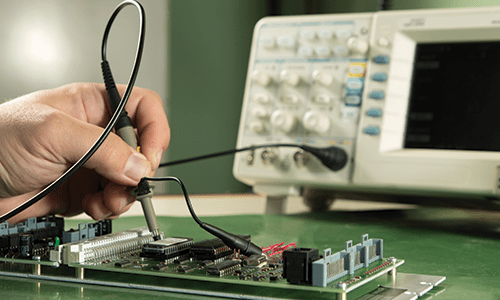
5. Prototyping and Testing
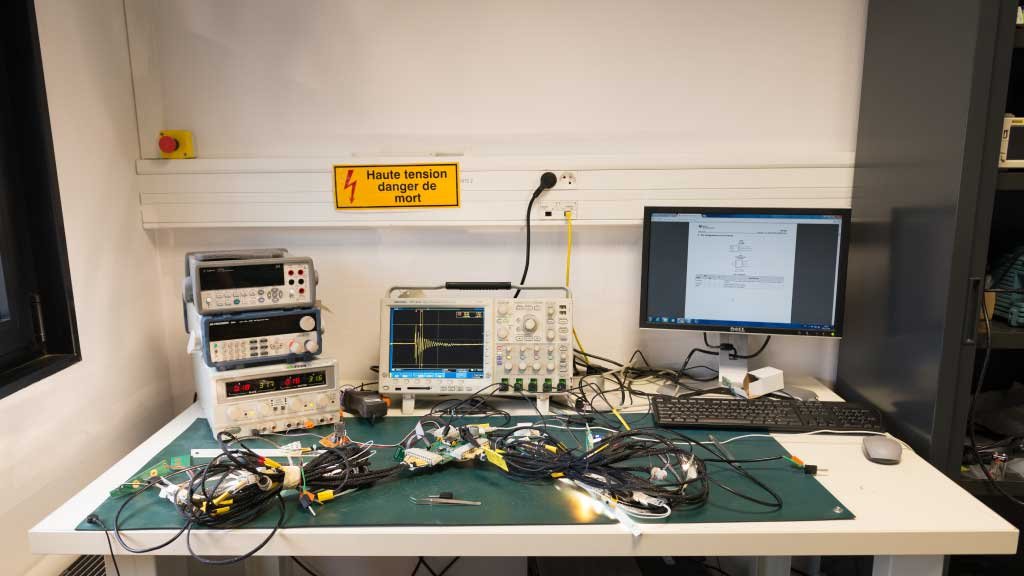
Building functional prototypes allows for real-world validation. Testing should cover:
- Electrical and functional verification
- Wireless range and connectivity stability
- Battery life and power consumption analysis
- Environmental and stress testing
Iterative prototyping helps refine the design before mass production.
Best Practices for IoT Hardware Design
To ensure your connected device stands out in a competitive market, follow these best practices:
- Design for Security: Implement secure elements, encrypted storage, and regular firmware updates to protect against cyber threats.
- Optimize for Power Efficiency: Use sleep modes, efficient voltage regulators, and low-power components to maximize battery life.
- Plan for Scalability: Modular designs make it easier to add features or scale production volumes.
- Consider Certification Early: Compliance with standards like CE, FCC, or UL is often required for market entry. Plan for testing and documentation from the outset.
- Document Thoroughly: Maintain clear records of design decisions, schematics, and testing results. For guidance on documentation, see our electronic product design documentation workflow.
Challenges Unique to IoT Product Development
While many principles overlap with traditional electronics, IoT projects introduce additional complexities:
- Interoperability: Devices must communicate seamlessly with various platforms and ecosystems.
- Data Privacy: Handling personal or sensitive data requires robust encryption and compliance with regulations like GDPR.
- Remote Management: Devices often need to be updated and monitored remotely, increasing the importance of reliable OTA mechanisms.
- Environmental Factors: IoT devices may be deployed outdoors or in industrial settings, demanding ruggedization and weatherproofing.
Addressing these challenges early in the design process helps prevent costly setbacks later on.
Integrating IoT Devices with Cloud and Edge Systems
Successful IoT solutions rely on seamless integration between hardware, cloud platforms, and sometimes edge computing nodes. Key considerations include:
- Choosing communication protocols (MQTT, HTTP, CoAP, etc.) that suit your application’s bandwidth and latency needs
- Ensuring secure authentication and data transfer between device and server
- Implementing edge processing for latency-sensitive or bandwidth-constrained scenarios
For more insights into the broader development process, the comprehensive overview of electronic product design and development provides additional context and technical details.
Testing, Compliance, and Preparing for Production
Before launching an IoT product, thorough testing and regulatory compliance are essential. This phase includes:
- Performance Testing: Assessing device operation under various conditions. Our electronic product design performance testing guide covers this in detail.
- Safety and Certification: Meeting industry standards for electrical safety, emissions, and wireless operation. For a comparison of standards, see our electronic product design safety standards comparison.
- Manufacturing Readiness: Finalizing design files, sourcing components, and setting up quality control processes.
Early engagement with manufacturing partners can help identify potential issues and streamline the transition from prototype to production.
Designing for Global Markets
IoT devices are often intended for international deployment. Considerations for global readiness include:
- Supporting multiple wireless bands and certifications
- Adapting to regional power and environmental standards
- Providing multilingual documentation and user interfaces
For a deeper look at these topics, refer to our guide on electronic product design for global markets.
Frequently Asked Questions
What are the most important considerations when designing electronics for IoT?
Key factors include selecting the right connectivity protocol, optimizing for low power consumption, ensuring robust security, and planning for scalability and remote management. Early attention to certification and manufacturability also helps avoid delays and extra costs.
How do I choose the best wireless technology for my IoT device?
The choice depends on range, data rate, power requirements, and application environment. Wi-Fi and Bluetooth are common for consumer products, while LoRa, Zigbee, and NB-IoT are better suited for industrial or long-range applications. Evaluate trade-offs based on your specific use case.
Why is security such a challenge in IoT device design?
IoT devices often operate unattended and connect to public networks, making them vulnerable to attacks. Security must be built in from the start, including secure boot, encrypted communication, and regular firmware updates to address emerging threats.
