

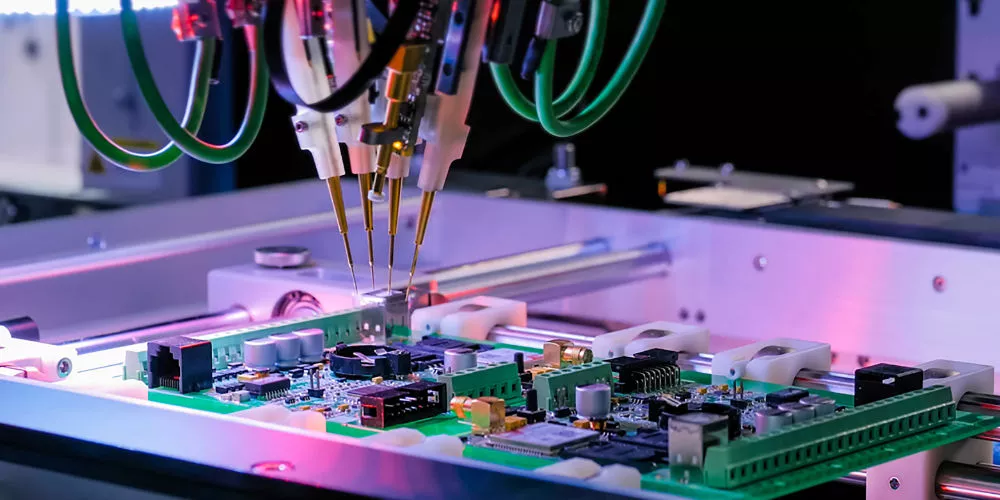
Electronic product design for industrial automation is a cornerstone of modern manufacturing and process control. As industries increasingly rely on smart systems to improve efficiency, safety, and scalability, the demand for robust and innovative electronic solutions continues to grow. This guide explores the essential principles, challenges, and best practices for developing electronic products tailored to the needs of automated industrial environments.
From selecting the right components to ensuring long-term reliability, every stage of the design process has a direct impact on the performance and sustainability of automation systems. Whether you are an engineer, project manager, or business leader, understanding the nuances of this field is crucial for successful implementation and competitive advantage.
For those interested in the critical role of performance verification, our electronic product design performance testing guide provides in-depth insights into testing strategies and standards specific to industrial applications.
Key Considerations in Automation-Focused Electronic Design
Designing electronics for automated industrial settings requires a different mindset compared to consumer or commercial products. The stakes are higher, as failures can lead to costly downtime, safety hazards, or compromised product quality. Here are some core factors to address:
- Reliability and Durability: Devices must withstand harsh environments, including temperature extremes, vibration, dust, and electromagnetic interference.
- Scalability: Solutions should be modular and adaptable, allowing for future expansion or integration with new technologies.
- Compliance: Adherence to industry standards and certifications (such as IEC, ISO, or UL) is non-negotiable for safety and interoperability.
- Maintenance: Designs should facilitate easy diagnostics, repair, and firmware updates to minimize downtime.
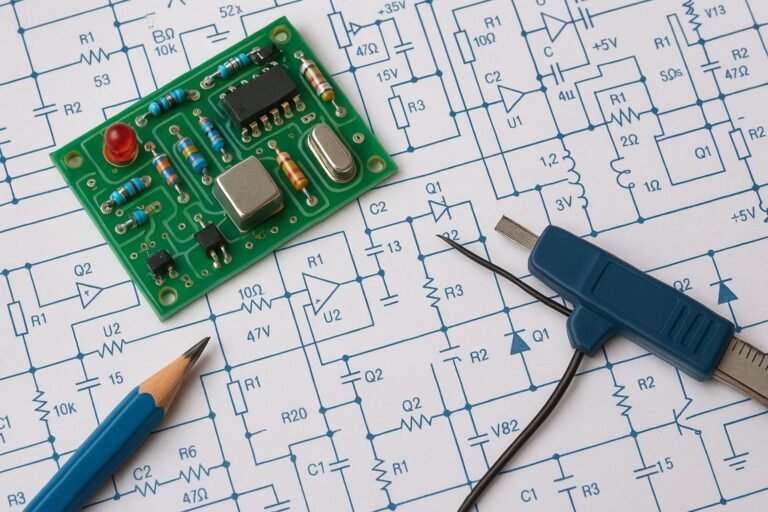
Stages of Electronic Product Development for Industrial Use
The process of creating electronics for automation involves several distinct phases, each with its own set of challenges and deliverables. A structured approach helps ensure that the final product meets both technical and operational requirements.
- Requirement Analysis: Gather detailed specifications from stakeholders, including environmental conditions, communication protocols, power requirements, and user interfaces.
- Conceptual Design: Develop block diagrams and system architectures, selecting the most appropriate microcontrollers, sensors, and connectivity options.
- Prototyping: Build functional prototypes to validate concepts, test performance, and identify potential issues early in the process.
- Design Validation: Conduct rigorous testing, including stress, EMC, and safety assessments, to ensure compliance and reliability.
- Production and Deployment: Finalize PCB layouts, source components, and set up manufacturing processes tailored to industrial-grade quality standards.
For more on material selection and integration, see our electronic product design PCB material selection and electronic product mechanical integration guide.
Core Technologies Driving Industrial Automation Electronics
The rapid evolution of automation is powered by several key technologies. Understanding these is essential for anyone involved in the design and deployment of industrial electronic systems.
- Programmable Logic Controllers (PLCs): These are the backbone of factory automation, providing robust, real-time control over machinery and processes.
- Field-Programmable Gate Arrays (FPGAs): FPGAs offer flexibility and high-speed processing for custom logic, signal processing, and interface bridging.
- Industrial IoT (IIoT): Sensors and edge devices collect and transmit data, enabling predictive maintenance, remote monitoring, and analytics.
- Communication Protocols: Standards such as Modbus, Profibus, and Ethernet/IP ensure seamless data exchange between devices and control systems.
Best Practices for Robust Automation Electronics
To achieve optimal results in electronic product design for industrial automation, it’s important to follow proven strategies that address both technical and operational needs:
- Design for Manufacturability (DFM): Simplify assembly and testing to reduce costs and improve quality.
- Redundancy and Fault Tolerance: Incorporate backup systems and fail-safes to minimize the risk of catastrophic failures.
- Thermal Management: Use heatsinks, ventilation, and thermal simulation to prevent overheating in dense or enclosed environments.
- EMC and EMI Protection: Shield sensitive circuits and use proper grounding techniques to avoid interference from industrial equipment.
- Lifecycle Planning: Consider long-term support, component obsolescence, and upgrade paths from the outset. For a deeper dive, our electronic product lifecycle cost analysis guide covers cost and support considerations.
Challenges in Industrial Automation Product Development
While the benefits of automation are clear, developing electronics for these environments is not without obstacles. Some of the most common challenges include:
- Harsh Operating Conditions: Devices may be exposed to moisture, chemicals, or mechanical shock, requiring robust enclosures and protective coatings.
- Component Sourcing: Supply chain disruptions and the need for industrial-grade parts can complicate procurement and increase lead times.
- Integration Complexity: Ensuring compatibility with legacy systems, diverse protocols, and third-party equipment demands careful planning and testing.
- Localization: Adapting products for different regions, languages, or regulatory environments is essential for global deployment. For more, see our electronic product localization considerations.
Industry Standards and Compliance in Automation Electronics
Meeting regulatory and safety standards is a fundamental requirement for any industrial electronic product. Compliance not only ensures legal operation but also builds trust with customers and end-users.
- IEC Standards: Cover general safety, electromagnetic compatibility, and environmental requirements for industrial equipment.
- ISO Certifications: Address quality management, risk assessment, and process control.
- UL and CE Marking: Required for products sold in North America and Europe, respectively, confirming adherence to safety and performance benchmarks.
For a comprehensive overview of what goes into creating successful automation electronics, the definition and scope of electronic product design offers valuable context and industry insights.
Future Trends in Automation Electronics
The landscape of industrial automation is rapidly changing, driven by advances in connectivity, artificial intelligence, and miniaturization. Some emerging trends to watch include:
- Edge Computing: Processing data closer to the source for faster response times and reduced network load.
- Wireless Communication: Adoption of 5G, Wi-Fi 6, and private networks for flexible, cable-free installations.
- AI and Machine Learning: Enabling smarter diagnostics, predictive maintenance, and adaptive control systems.
- Sustainable Design: Emphasis on energy efficiency, recyclability, and reduced environmental impact throughout the product lifecycle.
FAQ
What are the most important factors when designing electronics for industrial automation?
Key factors include reliability, durability, compliance with industry standards, ease of maintenance, and the ability to integrate with existing automation infrastructure. Environmental considerations such as temperature, vibration, and electromagnetic interference must also be addressed.
How do you ensure compliance with industrial standards?
Compliance is achieved by following relevant IEC, ISO, UL, and CE standards throughout the design and testing phases. This involves detailed documentation, rigorous validation, and often third-party certification to verify that products meet all regulatory and safety requirements.
Why is prototyping critical in the development process?
Prototyping allows designers to test concepts, validate functionality, and identify potential issues early. This reduces the risk of costly errors in later stages and ensures that the final product performs reliably in real-world industrial environments.
