

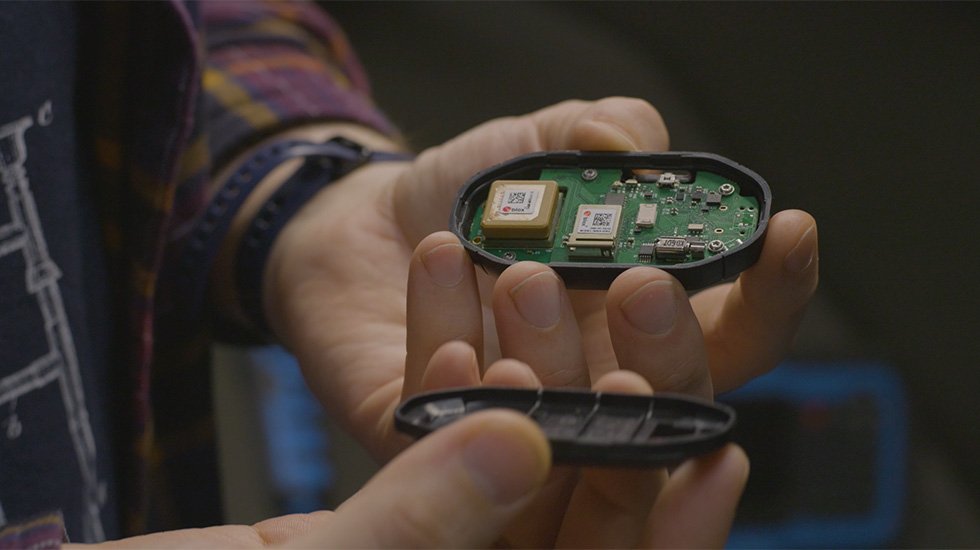
The healthcare industry relies on advanced technology to deliver accurate diagnostics, effective treatment, and reliable patient monitoring. Electronic product design for healthcare devices is a complex process that demands precision, safety, and regulatory compliance. From wearable monitors to sophisticated imaging equipment, the journey from concept to functional medical device involves multidisciplinary expertise and rigorous validation.
As medical technology evolves, the expectations for device performance, usability, and integration into clinical workflows continue to rise. Whether developing a new diagnostic tool or enhancing an existing platform, understanding the unique requirements of healthcare electronics is essential for successful product development. This article explores the key principles, challenges, and best practices that shape the creation of innovative medical electronics.
A crucial aspect of developing medical electronics is ensuring robust performance and reliability. For those interested in the technical assessment of new devices, the electronic product design performance testing guide provides valuable insights into validation and testing protocols specific to healthcare applications.
Key Considerations in Medical Electronics Development
Designing electronics for medical use involves more than just technical innovation. Developers must address a range of factors, from patient safety to data security and regulatory compliance. Here are some of the most important considerations:
- Regulatory Standards: Medical devices must comply with standards such as ISO 13485, IEC 60601, and FDA guidelines. These regulations govern everything from electrical safety to software validation and risk management.
- Patient Safety: Devices must be designed to minimize risks, including electrical hazards, electromagnetic interference, and software errors. Redundancy, fail-safes, and thorough testing are essential.
- Reliability and Longevity: Healthcare environments demand devices that function reliably over extended periods, often in challenging conditions. Component selection and robust design practices are critical.
- Usability: Medical staff and patients require intuitive interfaces and ergonomic designs. Human factors engineering helps ensure devices are easy to operate and reduce the risk of user error.
- Data Security: With the rise of connected healthcare, protecting patient data is paramount. Secure communication protocols and encryption must be integrated from the outset.
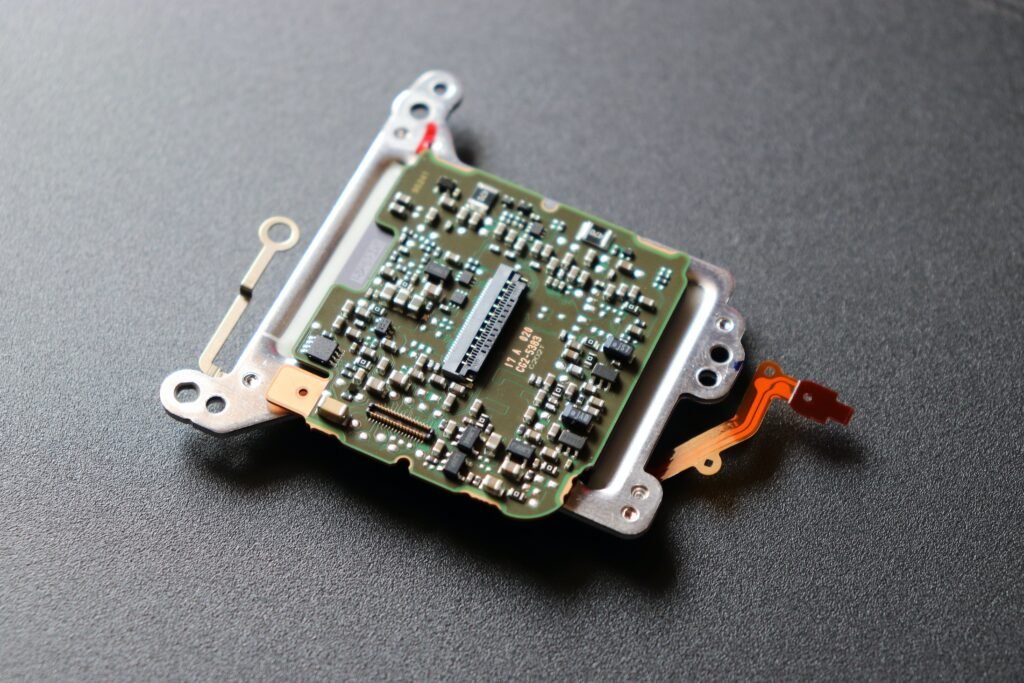
Stages of Electronic Product Design in Healthcare
The process of creating medical electronics follows a structured pathway, from initial concept to market launch. Each stage presents unique challenges and opportunities for innovation.
1. Needs Assessment and Specification
The journey begins with identifying clinical needs and defining product requirements. This involves collaboration with healthcare professionals, understanding user workflows, and benchmarking against existing solutions. Clear specifications guide the engineering process and set the foundation for regulatory approval.
2. Feasibility and Prototyping
Early-stage prototypes allow teams to test concepts and validate design assumptions. Rapid prototyping tools, such as 3D printing and development boards, accelerate iteration and help identify potential issues before full-scale development.
3. Detailed Design and Engineering
During this phase, engineers select components, design printed circuit boards (PCBs), and develop embedded software. For insights into material choices, the electronic product design pcb material selection resource offers guidance on choosing substrates that meet medical standards.
4. Verification, Validation, and Testing
Comprehensive testing ensures the device meets all functional, safety, and regulatory requirements. This includes electrical testing, software validation, and clinical trials where necessary. Documentation is critical for regulatory submissions and future audits.
5. Manufacturing and Scale-Up
Once validated, the design transitions to manufacturing. This stage requires careful management of supply chains, quality control, and traceability. Design for manufacturability (DFM) principles help streamline production and reduce costs.
Challenges Unique to Healthcare Device Design
While many principles of electronics development apply across industries, medical devices face unique hurdles:
- Stringent Compliance: Navigating complex regulatory landscapes can be time-consuming and costly. Early engagement with regulatory experts is recommended.
- Interoperability: Devices must often communicate with hospital information systems, other medical equipment, and cloud platforms. Ensuring seamless integration is a technical and security challenge.
- Miniaturization: Wearable and implantable devices require compact, energy-efficient designs without compromising reliability or safety.
- Environmental Factors: Devices may be exposed to fluids, sterilization processes, and varying temperatures. Materials and enclosures must be chosen accordingly.
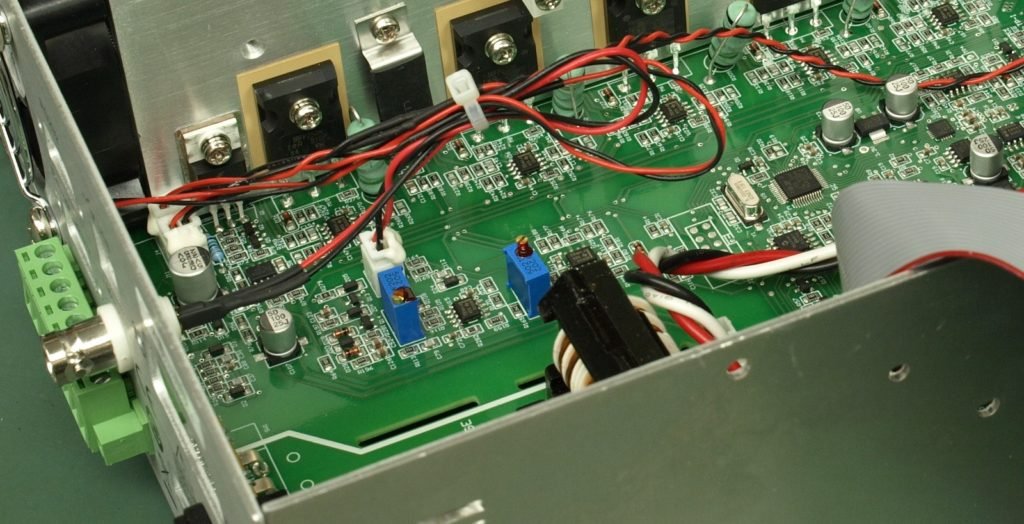
Best Practices for Success in Medical Electronics Projects
To achieve reliable and compliant healthcare electronics, teams should adopt proven strategies throughout the development lifecycle:
- Cross-Functional Collaboration: Involve clinicians, engineers, quality assurance, and regulatory specialists from the outset to align technical and clinical goals.
- Iterative Development: Use agile methods and rapid prototyping to refine designs based on real-world feedback and evolving requirements.
- Comprehensive Documentation: Maintain detailed records of design decisions, testing, and risk assessments to support regulatory submissions and future updates.
- Continuous Testing: Integrate verification and validation activities throughout the project to catch issues early and ensure ongoing compliance.
- Lifecycle Cost Analysis: Consider long-term costs, including maintenance, support, and upgrades. The electronic product lifecycle cost analysis guide provides a framework for evaluating total ownership expenses.
Emerging Trends in Healthcare Electronics
The landscape of medical electronics is rapidly evolving, driven by advances in digital health, connectivity, and artificial intelligence. Some notable trends include:
- Wearable Health Monitors: Devices that track vital signs, activity, and chronic conditions are becoming more sophisticated and user-friendly.
- Remote Patient Monitoring: Telemedicine and IoT-enabled devices allow clinicians to monitor patients outside traditional settings, improving outcomes and reducing costs.
- AI Integration: Artificial intelligence is enhancing diagnostics, automating image analysis, and supporting clinical decision-making.
- Personalized Medicine: Electronics are enabling tailored therapies and drug delivery systems based on individual patient data.
For a deeper dive into the broader process of developing innovative electronics, the comprehensive guide to electronic product design offers additional context and practical advice.
Localization and Mechanical Integration in Medical Devices
Global deployment of medical electronics often requires adapting products for different markets and environments. Localization may involve language support, compliance with regional standards, and adaptation to local clinical practices. The electronic product localization considerations article explores these challenges in detail.
Mechanical integration is another critical aspect, ensuring that electronic components fit seamlessly within enclosures and interact reliably with mechanical parts. For more on this topic, the electronic product mechanical integration guide provides practical tips for robust assembly and testing.
Frequently Asked Questions
What regulatory standards apply to medical electronic devices?
Medical electronics must comply with a range of standards, including ISO 13485 for quality management, IEC 60601 for electrical safety, and country-specific regulations such as FDA guidelines in the United States or CE marking in Europe. Meeting these standards is essential for market approval and patient safety.
How is patient data protected in connected healthcare devices?
Security is a top priority. Devices use encryption, secure authentication, and regular software updates to protect sensitive patient information. Developers must also follow data privacy laws such as HIPAA in the US or GDPR in Europe.
What are the main challenges in designing wearable medical electronics?
Wearable devices must balance miniaturization, battery life, comfort, and reliability. Ensuring accurate sensor data, robust wireless connectivity, and compliance with medical standards adds to the complexity.
