

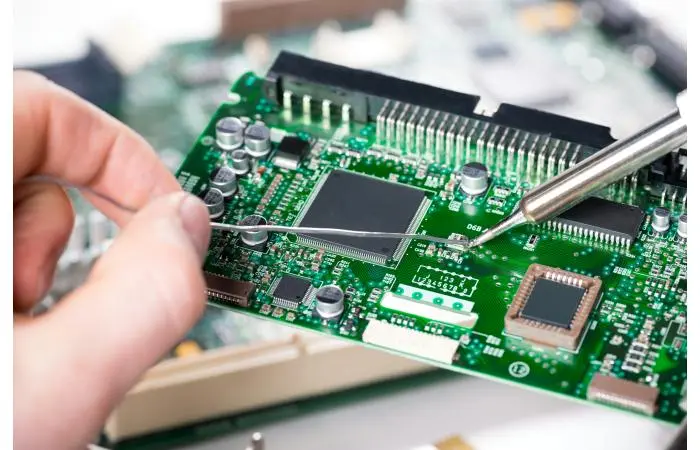
Developing modern electronics involves a complex interplay of innovation, engineering, and market demands. As technology advances, the obstacles faced by design teams become more intricate, requiring thoughtful strategies and practical solutions. From initial concept to final production, each stage presents unique hurdles that can impact cost, performance, and time to market. Understanding these electronic product design challenges and solutions is essential for anyone involved in bringing new devices to life.
This article explores the most common technical and organizational barriers in electronics development and provides actionable approaches to overcome them. For those interested in the specifics of evaluating device reliability, the electronic product design performance testing guide offers a deeper look at performance validation strategies.
Key Obstacles in Modern Electronics Development
The process of designing electronic products is rarely straightforward. Teams must navigate technical complexity, shifting requirements, and tight timelines. Some of the most significant difficulties include:
- Component selection and sourcing: Finding reliable, cost-effective parts that meet performance and regulatory requirements.
- Thermal management: Ensuring devices operate safely and efficiently without overheating.
- Regulatory compliance: Meeting global safety, electromagnetic compatibility (EMC), and environmental standards.
- Mechanical integration: Achieving seamless interaction between electronic and physical components.
- Design for manufacturability (DFM): Creating products that can be efficiently and consistently produced at scale.
- Time-to-market pressures: Balancing innovation with the need to launch quickly and stay ahead of competitors.
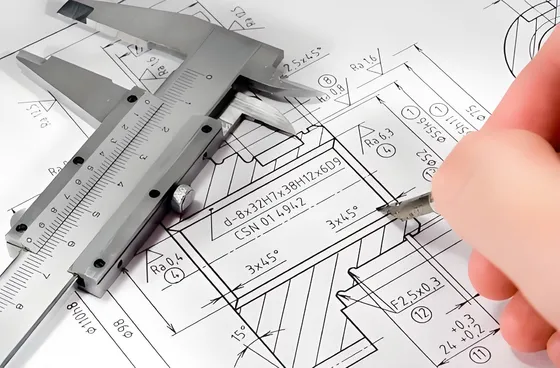
Addressing Component Sourcing and Supply Chain Risks
One of the most persistent electronic product design challenges is managing the supply chain. Component shortages, long lead times, and sudden obsolescence can derail even the best-laid plans. To mitigate these risks:
- Work closely with trusted suppliers and maintain a list of approved alternatives for critical parts.
- Monitor market trends and component life cycles to anticipate shortages or end-of-life notices.
- Design with flexibility in mind, allowing for easy substitution of equivalent components.
- Leverage partnerships with contract manufacturers who have strong procurement networks.
For a comprehensive look at the cost implications of sourcing and design decisions, the electronic product lifecycle cost analysis resource provides valuable insights.
Overcoming Thermal and Mechanical Integration Issues
As devices become more compact and powerful, managing heat and ensuring robust mechanical integration are critical. These factors can affect both performance and longevity. Effective strategies include:
- Incorporating thermal simulation early in the design phase to identify hotspots and optimize heat dissipation.
- Selecting materials and enclosures that support efficient cooling and protect sensitive components.
- Collaborating with mechanical engineers to ensure that PCB layouts, connectors, and housing fit together seamlessly.
- Referencing resources like the electronic product mechanical integration guide for best practices.
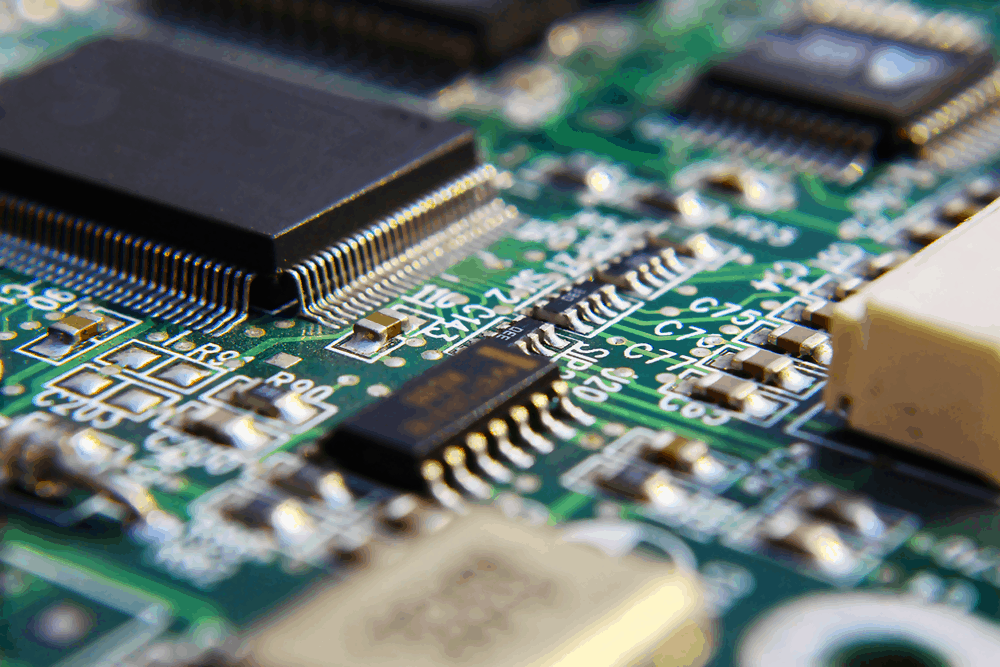
Ensuring Compliance and Quality in Electronic Design
Navigating regulatory requirements is a core aspect of bringing electronics to market. Compliance with standards such as CE, FCC, RoHS, and others is mandatory for global distribution. To streamline this process:
- Engage compliance experts early to identify applicable standards and testing protocols.
- Design with certification in mind, including proper shielding, grounding, and documentation.
- Conduct pre-compliance testing to catch issues before formal certification, reducing costly redesigns.
- Utilize guides like the electronic product design pcb material selection to ensure material choices align with regulatory needs.
Balancing Cost, Performance, and Time-to-Market
Achieving the right balance between innovation, affordability, and speed is a constant challenge. Teams must make trade-offs between advanced features, reliable performance, and budget constraints. Effective approaches include:
- Prioritizing essential features and phasing in advanced options for future releases.
- Implementing modular design principles to enable flexibility and faster updates.
- Using rapid prototyping and iterative testing to identify and resolve issues early.
- Engaging with experienced freelancers or design firms, as detailed in this analysis of electronic design service costs and rates, to fill skill gaps and accelerate development.
Best Practices for Overcoming Electronic Product Design Hurdles
While each project is unique, certain strategies consistently help teams navigate the most common obstacles:
- Cross-functional collaboration: Encourage regular communication between electrical, mechanical, and software engineers.
- Early and frequent testing: Validate assumptions and catch issues before they escalate.
- Design for scalability: Anticipate future updates and market expansion.
- Continuous learning: Stay updated on new materials, tools, and regulatory changes.
- Documentation: Maintain clear records of design decisions, test results, and compliance steps.
For those expanding into new regions, understanding electronic product localization considerations can help ensure products meet local requirements and user expectations.
FAQ: Common Questions About Electronic Design Obstacles
What are the most frequent causes of project delays in electronics development?
Delays often stem from component shortages, unforeseen technical issues, and late-stage design changes. Early planning, alternative sourcing, and iterative prototyping can help minimize these risks.
How can teams ensure regulatory compliance from the start?
Involving compliance experts early, designing with standards in mind, and performing pre-compliance testing are key steps. This approach reduces the likelihood of costly redesigns and accelerates certification.
What is the best way to manage cost without sacrificing quality?
Focus on core features, use modular designs, and select components with proven reliability. Partnering with experienced design professionals and leveraging cost analysis tools can also help optimize budgets.
How important is mechanical integration in electronic product success?
Mechanical integration ensures that electronic and physical components work together seamlessly, affecting durability, user experience, and manufacturability. Early collaboration between disciplines is essential for success.
Navigating the landscape of electronic product design challenges and solutions requires a proactive, informed approach. By applying best practices and leveraging the right resources, teams can bring innovative, reliable products to market efficiently and effectively.
