

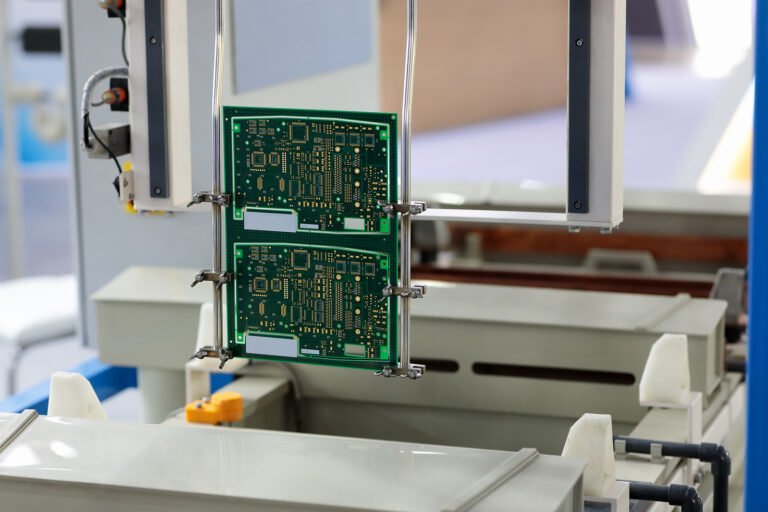
Developing successful electronic products requires a thoughtful approach that balances innovation, functionality, manufacturability, and compliance. Following electronic product design best practices helps teams avoid costly mistakes, reduce time to market, and deliver reliable solutions that meet customer needs. This guide outlines essential principles, practical steps, and actionable tips for professionals involved in hardware development, from concept through production.
For those interested in integrating complex systems, the electronic product design system integration guide provides additional insights into combining hardware and software components seamlessly.
Key Principles for Effective Hardware Development
Adhering to proven strategies during the design phase can make the difference between a product that thrives in the market and one that struggles with reliability or compliance issues. The following principles form the foundation of electronic product design best practices:
- User-Centric Design: Understand the end-user’s requirements and environment. Early engagement with stakeholders ensures the product addresses real-world needs and usability expectations.
- Design for Manufacturability (DFM): Consider manufacturing constraints from the outset. This reduces redesigns, streamlines production, and lowers costs.
- Component Selection and Sourcing: Choose components that are readily available, cost-effective, and supported by reliable suppliers. Avoid parts nearing end-of-life or with unpredictable lead times.
- Compliance and Safety: Ensure the design meets all relevant regulatory standards, including EMC, safety, and environmental requirements.
- Documentation and Traceability: Maintain thorough records of design decisions, revisions, and testing. Good documentation supports troubleshooting, certification, and future updates.
Stages of the Electronic Product Lifecycle
Each phase of the product lifecycle presents unique challenges and opportunities for optimization. By applying best practices in electronic product design at every stage, teams can minimize risks and maximize efficiency.
1. Concept and Feasibility
Start with a clear definition of the product’s goals, target market, and technical requirements. Conduct feasibility studies to evaluate technical risks, cost estimates, and potential barriers. Early prototyping can validate concepts before significant investment.
2. Detailed Design and Simulation
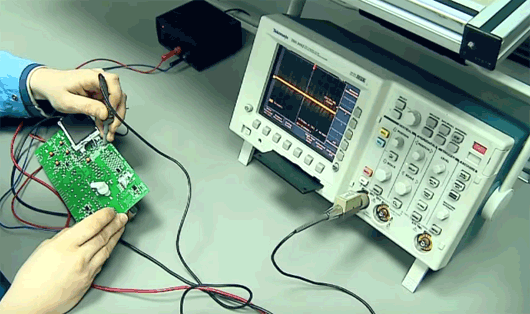
During this phase, engineers translate requirements into schematics, PCB layouts, and firmware. Simulation tools help identify performance bottlenecks, signal integrity issues, and thermal concerns before building physical prototypes. Collaboration between electrical, mechanical, and software teams is essential to avoid integration problems later.
For guidance on managing technical documents throughout this process, refer to the electronic product design documentation workflow.
3. Prototyping and Testing
Building prototypes allows teams to verify functionality, identify design flaws, and refine features. Iterative prototyping—starting with simple breadboards or development kits and progressing to production-like samples—enables rapid learning and risk reduction.
Comprehensive testing—including functional, environmental, and compliance checks—should be performed on each prototype iteration. For an in-depth look at performance validation, see the electronic product design performance testing guide.
4. Design for Reliability and Safety
Reliability engineering ensures that products perform consistently over their intended lifespan. This includes stress testing, failure mode analysis, and robust component selection. Safety considerations, such as proper insulation, grounding, and protection circuits, are critical for regulatory approval and user trust. More information is available in the electronic product design reliability engineering basics and the electronic product design safety standards comparison.
Cost Optimization and Time-to-Market
Managing costs without sacrificing quality is a core aspect of electronic product design best practices. Early engagement with manufacturing partners, clear communication of requirements, and careful supply chain management help prevent delays and budget overruns.
- Design for Assembly (DFA): Simplify the assembly process by minimizing part count and using standardized components.
- Supplier Collaboration: Work closely with suppliers to ensure component availability and negotiate favorable terms.
- Parallel Development: Overlap hardware, firmware, and enclosure development to shorten the overall timeline.
- Risk Management: Identify potential bottlenecks early and develop contingency plans for critical path items.
For specialized support, companies like professional electronic product design services can assist with design reviews, prototyping, and compliance testing.
Regulatory Compliance and Certification
Meeting regulatory requirements is non-negotiable for market entry. Standards vary by region and application, covering areas such as electromagnetic compatibility (EMC), safety, and environmental impact (RoHS, REACH). Early engagement with certification bodies and pre-compliance testing can prevent costly redesigns.
- Document Everything: Maintain detailed records of design changes, test results, and supplier certifications.
- Plan for Certification: Allocate time and budget for certification testing in the project schedule.
- Stay Informed: Regulatory standards evolve—monitor updates relevant to your product category.
Continuous Improvement and Post-Launch Support
The product journey does not end at launch. Gathering user feedback, monitoring field performance, and planning for future updates are all part of a robust development strategy. Post-launch support includes firmware updates, troubleshooting, and warranty management.
- Feedback Loops: Establish channels for customers and support teams to report issues and suggest improvements.
- Lifecycle Management: Plan for component obsolescence and end-of-life transitions to support long-term customers.
- Documentation Updates: Keep manuals, datasheets, and service guides current as products evolve.
Frequently Asked Questions
What are the most common mistakes in electronic product development?
Frequent pitfalls include inadequate requirements gathering, poor documentation, neglecting manufacturability, and overlooking compliance requirements. Addressing these areas early and following electronic product design best practices can prevent costly setbacks.
How can I ensure my design is ready for mass production?
Engage manufacturing partners early, use DFM and DFA principles, and conduct pilot runs to identify issues before scaling up. Comprehensive testing and clear documentation are essential for a smooth transition to volume production.
Why is regulatory compliance so important?
Compliance ensures legal market access, user safety, and product reliability. Failing to meet standards can result in recalls, fines, or bans from key markets. Incorporating compliance checks throughout the design process is a core best practice.
