


The world of electronics is constantly evolving, and the need for reliable, innovative, and efficient circuit solutions has never been greater. Businesses and entrepreneurs seeking to bring new products to market often rely on specialized partners to turn their concepts into functional, manufacturable hardware. This guide provides a comprehensive look at electronic circuit design services, covering the process, benefits, and what to expect when working with professional design teams.
Whether you are developing a consumer device, industrial equipment, or a custom embedded system, understanding the scope and value of these services can help you make informed decisions and achieve better outcomes. For those interested in ensuring optimal performance and reliability, resources like the electronic product design performance testing guide offer valuable insights into testing and validation as part of the overall development process.
What Are Electronic Circuit Design Services?
At their core, these services encompass the end-to-end process of transforming an idea or specification into a working electronic circuit. This includes everything from initial concept and schematic capture to PCB layout, prototyping, and design validation. Professional design teams use their expertise to address technical challenges, ensure regulatory compliance, and optimize for manufacturability and cost.
The scope of these offerings can vary widely depending on the provider and the complexity of the project. Some firms specialize in specific industries or technologies, while others offer a broad range of capabilities, including analog, digital, mixed-signal, and RF circuit design.

Key Stages in the Circuit Design Process
A typical project involves several critical phases, each requiring specialized knowledge and attention to detail. Understanding these stages can help clients set realistic expectations and collaborate more effectively with their chosen design partner.
- Requirements Gathering: The process begins with defining the functional, electrical, and environmental requirements of the product. This stage is crucial for aligning the design with business goals and regulatory needs.
- Schematic Design: Engineers create a detailed circuit diagram, selecting appropriate components and establishing how they will interact. This step often involves simulation and analysis to verify performance.
- PCB Layout: Translating the schematic into a physical board layout, designers optimize component placement and routing for signal integrity, thermal management, and manufacturability.
- Prototyping: A physical prototype is built and tested to validate the design. This phase may include multiple iterations to refine performance and resolve issues.
- Testing and Validation: Comprehensive testing ensures the circuit meets all requirements and standards. For more on this, see the electronic product design performance testing guide.
- Production Handover: Once validated, the final design files, bill of materials, and documentation are prepared for manufacturing.
Benefits of Professional Circuit Design Solutions
Engaging with experienced providers offers several advantages, especially for organizations lacking in-house expertise or resources. Some of the most significant benefits include:
- Expertise and Innovation: Access to skilled engineers who stay current with the latest technologies and best practices.
- Reduced Time-to-Market: Streamlined processes and proven workflows help accelerate development and avoid costly delays.
- Risk Mitigation: Thorough design reviews, simulation, and testing reduce the likelihood of failures or compliance issues.
- Cost Optimization: Careful component selection and design for manufacturability can lower production costs and simplify supply chain management.
- Scalability: Solutions can be tailored to meet the needs of startups, SMEs, or large enterprises, from single prototypes to high-volume production.
Choosing the Right Partner for Your Project
Selecting a design service provider is a critical decision that can impact the success of your product. Consider the following factors when evaluating potential partners:
- Technical Capabilities: Ensure the team has experience with your application domain and the specific technologies required.
- Portfolio and References: Review past projects and ask for client testimonials to gauge reliability and quality.
- Communication and Collaboration: Look for clear, responsive communication and a willingness to work closely with your team.
- Support for Compliance: Providers should be familiar with relevant standards and able to guide you through regulatory processes.
- Post-Design Support: Ongoing assistance with prototyping, testing, and production can be invaluable as your product moves through its lifecycle.
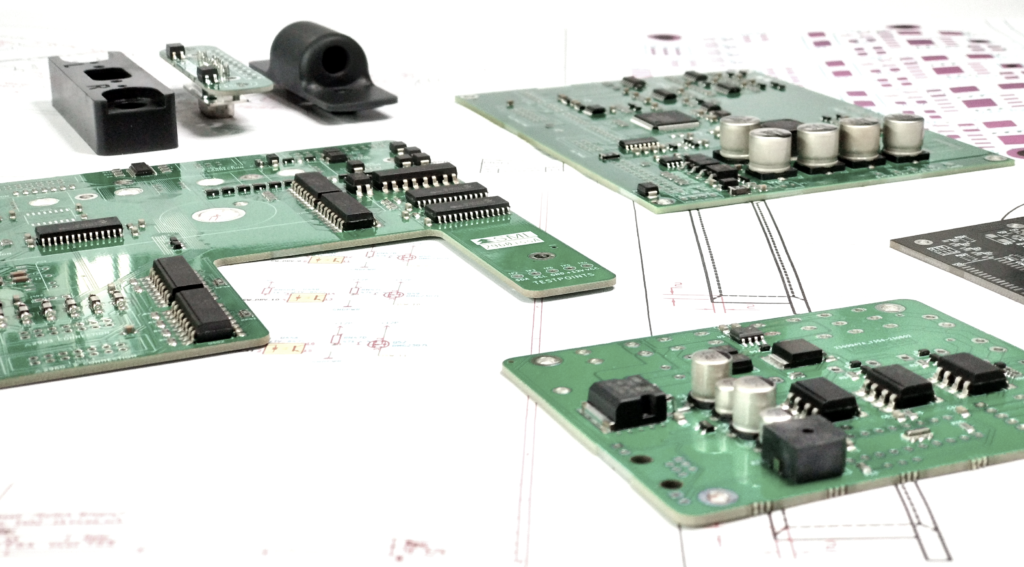
How Circuit Design Services Integrate with Product Development
Effective circuit design is just one part of a successful product launch. Integration with mechanical, firmware, and software development is essential for creating a cohesive solution. Teams often work in parallel, sharing information and iterating designs to address challenges such as enclosure constraints, thermal management, and user interface requirements.
For a deeper understanding of how electronics integrate with mechanical systems, the electronic product mechanical integration guide provides practical advice on cross-disciplinary collaboration.
Industry Applications and Trends
The demand for advanced circuit design spans a wide range of industries, including consumer electronics, automotive, healthcare, industrial automation, and IoT. Recent trends influencing the field include miniaturization, increased connectivity, energy efficiency, and the adoption of advanced materials and manufacturing techniques.
Providers must stay ahead of these trends, investing in ongoing training and adopting new tools to deliver innovative solutions. For those interested in exploring the broader landscape of design services, this comprehensive overview of electronics design services offers additional perspectives on industry standards and emerging practices.
Cost Considerations and Lifecycle Management
Budgeting for circuit design involves more than just engineering hours. Factors such as prototyping, testing, compliance, and design revisions can all impact the total cost. Early engagement with a design partner can help identify potential cost drivers and optimize the project plan accordingly.
Lifecycle management is another important aspect, encompassing everything from initial concept to end-of-life planning. For guidance on managing costs throughout a product’s lifespan, see the electronic product lifecycle cost analysis resource.
Frequently Asked Questions
What information should I provide to start a circuit design project?
It’s important to share as much detail as possible about your product requirements, intended use, target market, and any regulatory standards that must be met. Providing block diagrams, performance goals, and preferred components can help the design team deliver a solution that meets your needs.
How long does the typical design process take?
The timeline varies depending on project complexity, but most engagements range from a few weeks for simple circuits to several months for advanced or highly regulated products. Early planning and clear communication can help keep the project on track.
Can I request changes after the initial design is complete?
Yes, most providers accommodate design revisions as part of the process. However, significant changes may affect the schedule and cost, so it’s best to communicate any updates as early as possible.
Conclusion
Partnering with an experienced circuit design team can make the difference between a successful product launch and costly setbacks. By understanding the process, benefits, and key considerations, businesses can confidently navigate the path from concept to reality. For those seeking to optimize every stage of development, exploring related topics such as electronic product design pcb material selection and electronic product localization considerations can provide additional value and insight.
