

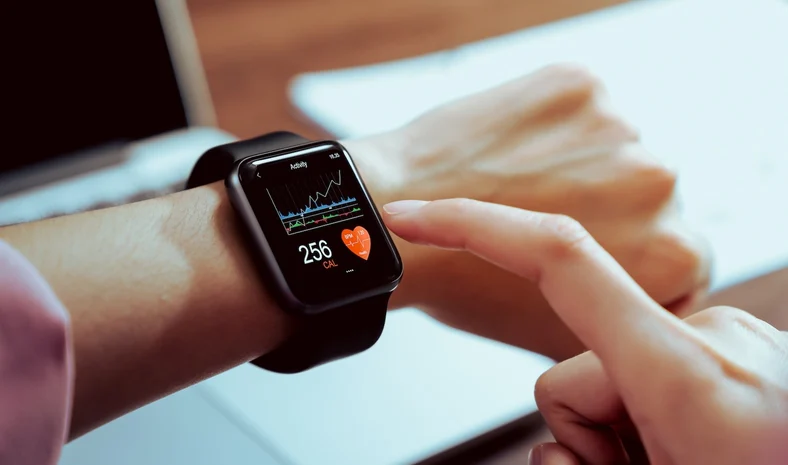
Wearable technology has rapidly evolved from simple fitness trackers to advanced health monitors, smartwatches, and even medical-grade diagnostic tools. As these devices become more sophisticated, the need for fast, reliable, and secure data processing grows. Edge computing in wearable devices is transforming how data is handled, processed, and utilized, enabling real-time insights and improved user experiences.
By processing data closer to the source—on the device itself or nearby—edge computing reduces latency, enhances privacy, and minimizes reliance on cloud connectivity. This shift is particularly important in healthcare, fitness, and safety applications, where immediate feedback and data security are critical. For those interested in broader applications of technology in sustainable living, you might also explore regenerative living off-grid and how emerging tech supports self-sufficiency.
Understanding Edge Processing in Wearables
At its core, edge computing in wearable devices refers to the practice of performing data analysis and processing on or near the device itself, rather than sending all information to a remote cloud server. This approach allows wearables to deliver faster responses, conserve bandwidth, and maintain functionality even when internet connectivity is limited.
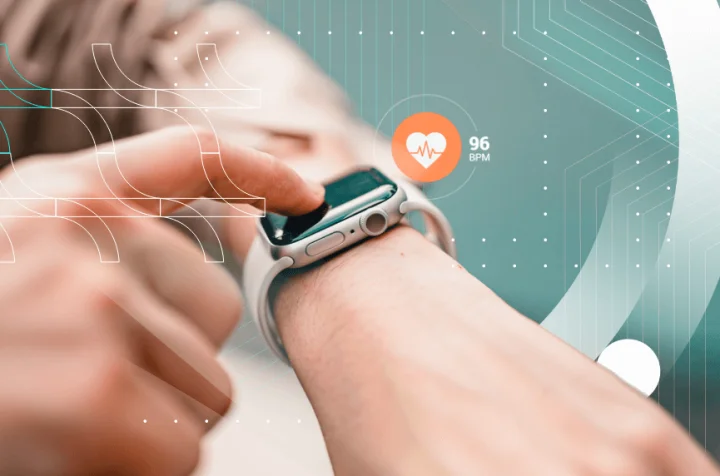
For example, a smartwatch monitoring your heart rate can analyze the data locally to detect irregularities and alert you instantly, without waiting for cloud-based analysis. This is especially valuable in scenarios where every second counts, such as detecting arrhythmias or falls in elderly users.
Key Benefits of Local Data Processing
- Reduced Latency: By analyzing data on the device, wearables can provide immediate feedback, which is crucial for applications like fitness tracking, medical alerts, and real-time notifications.
- Improved Privacy: Sensitive health or location data can be processed and stored locally, minimizing exposure to external threats and reducing the risk of data breaches.
- Lower Bandwidth Usage: Only essential or summarized data needs to be sent to the cloud, saving on data costs and making wearables more efficient in remote or bandwidth-constrained environments.
- Enhanced Reliability: Devices can continue to function and deliver insights even when offline or experiencing connectivity issues.
How Edge Computing Powers Modern Wearable Technology
The integration of edge processing capabilities enables wearables to handle increasingly complex tasks. For instance, smartwatches and fitness bands now offer advanced features like sleep analysis, stress detection, and even early warning systems for certain medical conditions.
Many of these functions rely on continuous data collection and real-time analysis. Edge computing makes this possible by leveraging embedded processors and efficient algorithms that run directly on the device. This not only improves speed but also reduces the need for constant data transmission, which can drain battery life.
For a deeper understanding of how wearables manage immediate data needs, see our article on real time data processing in wearables.

Applications of Edge Technology in Wearables
The use of edge computing extends across a wide range of wearable applications:
- Health Monitoring: Devices can track vital signs, detect anomalies, and provide instant alerts for conditions like high blood pressure or irregular heartbeats.
- Fitness and Activity Tracking: Real-time feedback on steps, calories burned, and exercise intensity helps users adjust their routines on the fly.
- Safety and Emergency Response: Wearables can detect falls or accidents and trigger emergency protocols without delay.
- Location Services: GPS-enabled devices can process location data locally for navigation, geofencing, or child safety applications. To learn more about this, check out our resource on GPS tracking in wearables.
- Predictive Analytics: By analyzing patterns over time, wearables can anticipate user needs or potential health risks. For further reading, see our post on predictive analytics in wearables.
Challenges and Considerations
While edge computing offers clear advantages, it also presents unique challenges. Wearable devices have limited processing power, memory, and battery life compared to smartphones or computers. Developers must design efficient algorithms that balance performance with resource constraints.
Security is another critical factor. Although local processing reduces some risks, devices must still be protected against physical tampering and software vulnerabilities. Regular updates and secure firmware are essential to maintain device integrity.
Interoperability and standardization are ongoing concerns, as the wearable ecosystem includes a wide variety of devices and platforms. Ensuring seamless communication and compatibility remains a priority for manufacturers and developers.
Future Trends in Wearable Edge Solutions
The future of edge computing in wearables looks promising. Advances in microprocessor technology, artificial intelligence, and sensor design are enabling even more powerful on-device analytics. We can expect to see wearables that not only monitor but also predict and prevent health issues, support advanced biometric authentication, and integrate seamlessly with smart environments.
Additionally, as privacy regulations become stricter and users demand more control over their data, local processing will play an increasingly important role. The ability to deliver personalized, context-aware experiences without compromising security or performance will set the next generation of wearables apart.
For a broader perspective on wearable technology and its impact, you can read this comprehensive overview of wearable technology.
FAQ: Edge Computing and Wearable Technology
What is the main advantage of edge computing in wearables?
The primary benefit is real-time data processing, which allows wearables to deliver instant feedback and alerts without relying on cloud connectivity. This improves user experience, enhances privacy, and ensures devices remain functional even when offline.
How does local processing improve data privacy in wearables?
By handling sensitive information directly on the device, edge computing reduces the amount of data transmitted to external servers. This limits exposure to potential breaches and gives users more control over their personal data.
Are there any limitations to edge computing in wearable devices?
Yes, wearables have limited hardware resources, which can restrict the complexity of algorithms and the amount of data processed locally. Developers must optimize software for efficiency and ensure robust security measures to protect against vulnerabilities.
Can edge technology be integrated with other wearable features?
Absolutely. Edge processing can work alongside technologies like Bluetooth Low Energy (BLE) for efficient data transfer. To understand more about connectivity in wearables, see our article on how BLE works in wearable devices.
