


Wearable devices have rapidly evolved from simple step counters to sophisticated health and activity monitors. Today, these gadgets do more than just collect data—they interpret it, helping users and professionals make informed decisions. At the heart of this transformation is predictive analytics in wearables, a technology that leverages data science to anticipate trends, detect anomalies, and even forecast health events before they happen.
As the adoption of smartwatches, fitness trackers, and medical sensors grows, so does the importance of understanding how predictive models work within these devices. Whether you’re a tech enthusiast, healthcare provider, or simply interested in the future of personal technology, this article will break down how predictive analytics is shaping the wearable landscape and what it means for everyday users.
For those interested in the technical side of data handling, you may also want to explore real time data processing in wearables to see how information is managed and analyzed on the go.
Understanding Predictive Models in Smart Devices
The core of predictive analytics in wearables lies in the use of algorithms that process historical and real-time data to forecast future outcomes. These models can identify patterns in heart rate, sleep cycles, movement, and even environmental factors. By doing so, wearables can alert users to potential health risks, suggest lifestyle changes, or optimize athletic performance.
For example, a smartwatch might notice irregular heart rhythms and prompt the wearer to seek medical advice, potentially catching a condition before it becomes serious. In fitness, predictive models can estimate recovery times or recommend personalized training plans based on previous activity and biometric data.
How Data Is Collected and Processed in Wearable Technology
Wearable devices are equipped with a range of sensors—accelerometers, gyroscopes, optical heart rate monitors, and more. These sensors continuously gather data, which is then processed locally on the device or sent to the cloud for more complex analysis.
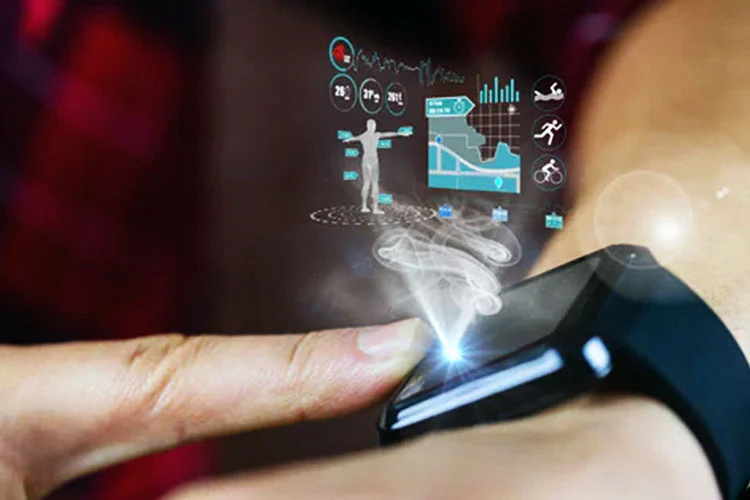
The process typically involves several steps:
- Data Acquisition: Sensors capture raw signals such as movement, heart rate, or temperature.
- Preprocessing: The device cleans and filters the data to remove noise and errors.
- Feature Extraction: Key characteristics are identified—like average heart rate or step cadence.
- Model Application: Predictive algorithms analyze the features to make forecasts or detect anomalies.
- Feedback: Results are delivered to the user, often as notifications, recommendations, or alerts.
This seamless flow enables wearables to provide real-time insights and long-term trend analysis, making them valuable for both daily wellness and clinical applications.
Key Applications of Predictive Analytics in Wearables
The integration of predictive analytics with wearable technology has opened up a wide range of practical uses. Here are some of the most impactful applications:
- Health Monitoring: Devices can predict potential cardiac events, detect sleep disorders, or identify early signs of chronic diseases. This is especially valuable for elderly care, where timely alerts can prevent hospitalizations.
- Fitness Optimization: Wearables use predictive models to tailor workout plans, monitor fatigue, and suggest optimal recovery periods, helping athletes and casual users alike reach their goals safely.
- Personal Safety: Some devices can anticipate falls or dangerous situations by analyzing movement patterns, sending alerts to caregivers or emergency contacts.
- Workplace Wellness: Employers are adopting wearables to monitor employee health trends, reduce workplace injuries, and promote healthier habits through predictive feedback.
These applications demonstrate how predictive analytics is not just about data collection, but about turning information into actionable insights that improve quality of life.
Challenges and Considerations in Predictive Wearable Tech
While the benefits are significant, there are also important challenges to address:
- Data Privacy: Wearables collect sensitive personal information. Ensuring this data is secure and used ethically is a top concern for both users and manufacturers.
- Accuracy of Predictions: Predictive models are only as good as the data and algorithms behind them. Inaccurate predictions can lead to false alarms or missed warnings.
- Regulatory Compliance: As wearables become more involved in healthcare, they must adhere to strict regulations. For more on this, see how regulations for AI in elderly care are shaping the industry.
- User Engagement: The effectiveness of predictive analytics depends on users acting on the insights provided. Clear communication and user-friendly interfaces are essential.
Future Trends in Wearable Predictive Analytics
As technology advances, the capabilities of predictive analytics in wearables will continue to expand. Some emerging trends include:
- Integration with Other Technologies: Combining wearables with AI, IoT, and cloud computing will enable more accurate and comprehensive predictions.
- Personalized Medicine: Wearables will play a larger role in tailoring treatments and interventions to individual needs, especially as genetic and lifestyle data are integrated.
- Continuous Monitoring: Devices will become less intrusive and more comfortable, allowing for 24/7 monitoring without disrupting daily life.
- Expanded Use Cases: Beyond health and fitness, predictive analytics will find applications in areas like insurance, sports analytics, and even smart clothing.
For a broader look at how these devices function, you can read more about the fundamentals of wearable technology and how they are changing the way we interact with our environment.
Related Technologies and Further Reading
The field of wearable analytics is closely linked to several other innovations. For example, understanding how BLE works in wearable devices can shed light on how data is transmitted efficiently and securely. Similarly, GPS tracking in wearables is crucial for location-based predictions and safety features.
As predictive analytics becomes more sophisticated, issues like AI bias in elderly healthcare AI must be considered to ensure fair and accurate outcomes for all users.
Frequently Asked Questions
How do wearables use predictive analytics to improve health?
Wearables analyze historical and real-time health data to forecast potential issues, such as irregular heart rhythms or sleep disturbances. By identifying patterns early, these devices can prompt users to take preventive action or seek medical advice, ultimately supporting better health outcomes.
Is my personal data safe when using predictive features in wearables?
Data privacy is a major concern in wearable technology. Most reputable manufacturers use encryption and follow strict data protection protocols. However, users should review privacy policies and consider device settings to control what information is shared and with whom.
What are the limitations of predictive analytics in wearable devices?
While predictive models can provide valuable insights, they are not infallible. Limitations include potential inaccuracies due to poor-quality data, algorithmic bias, and the need for user engagement to act on recommendations. Additionally, regulatory and ethical considerations continue to evolve as the technology advances.
