


The concept of regenerative living off-grid is gaining traction among those seeking to move beyond traditional sustainability. Instead of simply minimizing harm, regenerative practices aim to restore and enhance the natural environment, creating systems that give back more than they take. This approach is especially relevant for individuals and families choosing to live independently from conventional utilities and infrastructure.
Embracing this lifestyle means rethinking how we interact with land, water, energy, and community. It’s about designing homesteads and daily routines that actively improve soil health, biodiversity, and resilience. For those interested in the intersection of technology and self-sufficiency, exploring topics like real time data processing in wearables can offer insights into monitoring and optimizing off-grid systems.
What Sets Regenerative Off-Grid Living Apart?
While sustainable living focuses on reducing negative impacts, regenerative approaches go further by improving ecosystems and supporting long-term abundance. Living off-grid with a regenerative mindset means:
- Restoring soil health through composting, cover cropping, and rotational grazing.
- Enhancing biodiversity by planting native species and creating wildlife habitats.
- Closing resource loops with water catchment, greywater recycling, and nutrient cycling.
- Building community resilience through knowledge sharing and local collaboration.
These principles transform an off-grid homestead from a place of mere self-sufficiency into a hub of ecological regeneration.
Core Elements of a Regenerative Homestead
Creating a truly regenerative off-grid lifestyle involves integrating several key systems. Each element works together to create a balanced, productive environment.
Water Management and Conservation
Water is a foundational resource for any homestead. Techniques such as rainwater harvesting, swales, and ponds help capture and store rainfall, reducing reliance on wells or municipal sources. Greywater systems can safely reuse household water for irrigation, while mulching and perennial plantings help retain soil moisture.
Soil Building and Food Production
Healthy soil is central to regenerative living. Practices like no-till gardening, composting, and using raised beds support microbial life and prevent erosion. Integrating animals such as chickens or goats can further enrich the land by cycling nutrients and controlling pests. For those interested in starting their own garden, a raised garden bed can be an excellent first step.
Renewable Energy and Resource Independence
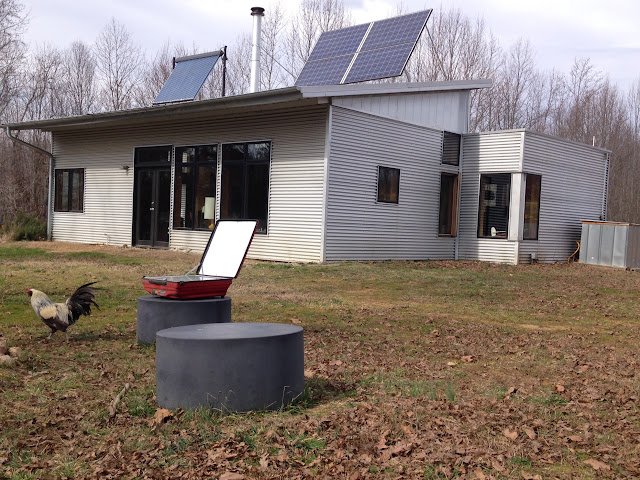
Off-grid homes often rely on solar, wind, or micro-hydro power systems. Choosing renewable energy reduces fossil fuel use and supports a regenerative ethos. Battery storage, energy-efficient appliances, and passive solar design further minimize environmental impact.
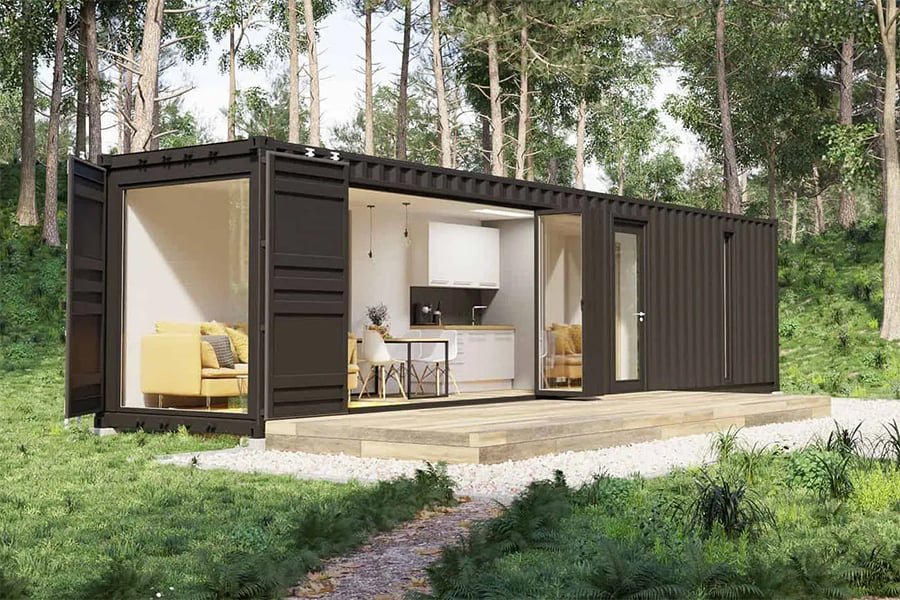
Repurposing materials—such as using shipping containers for building—can also reduce waste and lower costs. For those interested in resourceful construction, there are many creative ways to upcycle and adapt materials for off-grid use.
Community and Knowledge Sharing in Regenerative Living
Although living off-grid often conjures images of isolation, most successful regenerative homesteads thrive through connection and collaboration. Sharing resources, skills, and experiences with neighbors helps build resilience and fosters innovation. Online communities and local workshops can be invaluable for troubleshooting, inspiration, and support.
For those just starting out, resources like the ultimate guide to starting a frugal off-grid homestead offer practical advice and step-by-step roadmaps. These guides can help newcomers avoid common pitfalls and accelerate their journey toward a regenerative lifestyle.
Challenges and Rewards of Regenerative Off-Grid Living
Transitioning to a regenerative, off-grid lifestyle comes with unique challenges. Initial setup can require significant planning, investment, and learning. Adapting to new systems—such as compost toilets, alternative energy, and permaculture gardening—takes time and patience.
However, the rewards are substantial. Many find deep satisfaction in producing their own food, restoring damaged land, and living in harmony with nature. Over time, regenerative practices can lead to healthier ecosystems, lower living costs, and a greater sense of purpose.
Getting Started: Practical Steps Toward Regeneration
- Assess your site: Understand your land’s water, soil, sun, and climate conditions.
- Start small: Begin with manageable projects like a raised bed or rainwater barrel.
- Build soil health: Compost kitchen scraps, mulch, and plant cover crops.
- Invest in renewables: Install solar panels or a small wind turbine as budget allows.
- Connect with others: Join local or online groups to share knowledge and resources.
Remember, regeneration is a process. Each small step contributes to a larger transformation, both for your homestead and the surrounding environment.
FAQ: Regenerative Off-Grid Living
How is regenerative living different from sustainable living?
While sustainability aims to minimize harm and maintain current conditions, regenerative practices actively restore and improve ecosystems. The goal is to leave the land healthier and more productive than before.
What are the first steps to start living regeneratively off-grid?
Begin by observing your land, collecting rainwater, building soil with compost, and growing a diverse mix of plants. Gradually integrate renewable energy and resource loops as your skills and resources grow.
Can regenerative practices be applied in urban or suburban settings?
Yes, many regenerative principles—like composting, water conservation, and biodiversity enhancement—can be adapted to small lots or even balconies. The key is to work with your available space and resources.
For anyone considering this path, learning from others and staying open to experimentation is essential. Whether you’re just starting or looking to deepen your commitment, regenerative off-grid living offers a rewarding way to care for both people and the planet.
