


Bluetooth Low Energy (BLE) has become a foundational technology in the world of smart wearables. From fitness trackers and smartwatches to medical monitoring bands, BLE enables these compact devices to communicate efficiently with smartphones, tablets, and other electronics. Understanding how BLE works in wearable devices helps clarify why this wireless protocol is so widely adopted for health, fitness, and lifestyle applications.
In this guide, we’ll break down the basics of BLE, explore its role in wearables, and discuss the advantages and challenges it brings to device manufacturers and users. If you’re interested in related topics like GPS tracking in wearables or connectivity protocols, you’ll find this overview especially relevant.
Understanding Bluetooth Low Energy Technology
BLE, sometimes called Bluetooth Smart, is a wireless communication protocol designed for short-range data exchange with minimal power consumption. Unlike classic Bluetooth, which is optimized for continuous streaming, BLE is engineered for applications that require periodic data transfers and long battery life—making it ideal for wearables.
The core principle of BLE is efficiency. Devices can remain in sleep mode most of the time, waking up only to send or receive small packets of data. This approach dramatically reduces energy usage compared to traditional Bluetooth, which is crucial for devices that need to operate for days or weeks on a single charge.
Key Components of BLE in Smart Wearables
To understand how BLE works in wearable devices, it’s helpful to look at the main components involved in BLE communication:
- Peripheral: The wearable device (such as a fitness band or smartwatch) acts as the peripheral, broadcasting data or waiting for connection requests.
- Central: Typically a smartphone or tablet, the central device scans for peripherals and initiates connections to exchange data.
- Advertising: Wearables periodically send out advertising packets to announce their presence and capabilities.
- Connection: Once a central device detects a peripheral, it can establish a secure, low-power connection to transfer data.
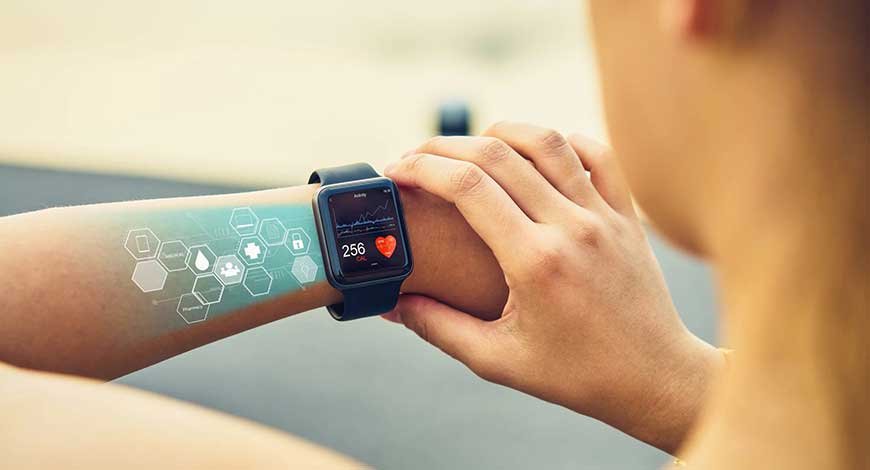
How Data Transmission Happens in Wearables Using BLE
The process of data exchange in wearables using BLE is streamlined for efficiency. Here’s how it typically works:
- Advertising and Discovery: The wearable periodically sends out advertising packets. These contain information such as device name, available services, and unique identifiers.
- Scanning: The central device (like a smartphone) scans for nearby BLE peripherals. When it detects the wearable’s advertisement, it can choose to initiate a connection.
- Pairing and Bonding: For secure communication, the devices may pair and establish encryption keys. This is especially important for sensitive data, such as health metrics.
- Data Transfer: Once connected, the wearable can send sensor readings, notifications, or status updates to the central device. BLE uses a simple attribute protocol (ATT) and a generic attribute profile (GATT) to organize and exchange data efficiently.
- Disconnection and Sleep: After data transfer, the connection can be terminated, and the wearable returns to a low-power sleep state until the next scheduled communication.
Benefits of BLE for Smart Wearable Devices
The adoption of BLE in wearables is driven by several clear advantages:
- Low Power Consumption: BLE’s design allows wearables to operate for extended periods without frequent recharging.
- Compact Hardware Requirements: BLE chips are small and can be integrated into slim, lightweight devices.
- Interoperability: BLE is supported by most modern smartphones and tablets, ensuring broad compatibility.
- Secure Communication: BLE supports encryption and authentication, protecting user data during transmission.
- Flexible Data Exchange: BLE can handle both simple notifications and more complex data, making it suitable for a wide range of wearable applications.
Challenges and Considerations in BLE-Enabled Wearables
While BLE offers many benefits, there are also challenges to consider when implementing it in wearable technology:
- Limited Bandwidth: BLE is optimized for small data packets, so it’s not suitable for high-throughput applications like streaming audio.
- Interference: BLE operates in the crowded 2.4 GHz ISM band, which can be affected by Wi-Fi and other wireless devices.
- Security Risks: Although BLE includes security features, improper implementation can leave devices vulnerable to attacks. Developers must follow best practices for pairing and encryption.
- User Experience: Maintaining reliable connections and seamless data transfer is essential for a positive user experience. For more on this, see our article on user experience challenges in wearables.
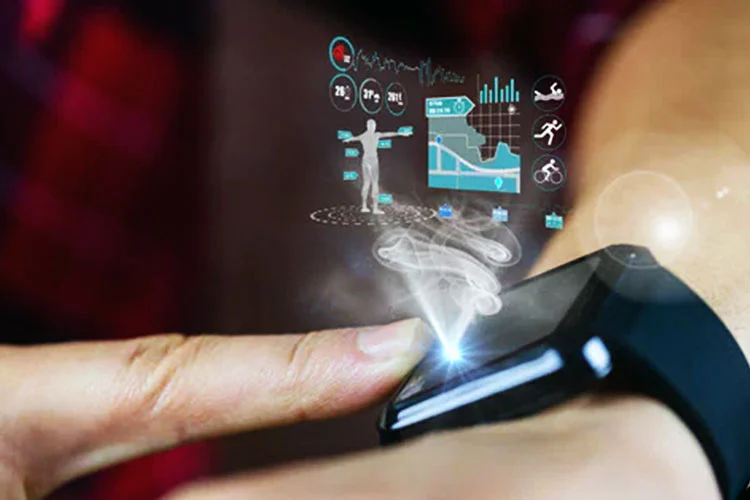
Real-World Applications of BLE in Wearable Technology
BLE powers a diverse range of wearable devices, each leveraging its unique strengths:
- Fitness Trackers: These devices monitor steps, heart rate, and sleep patterns, sending data to companion apps via BLE.
- Smartwatches: BLE enables notifications, health tracking, and control of smartphone functions from the wrist.
- Medical Wearables: Devices like glucose monitors and ECG patches use BLE to transmit health data securely to healthcare providers or mobile apps. For a deeper dive into medical applications, see this comprehensive review of BLE in healthcare wearables.
- Safety and Location Devices: BLE beacons and tags help track children, pets, or valuable items, alerting users when they move out of range.
Optimizing BLE Performance in Wearables
To get the most out of BLE in wearable technology, developers and manufacturers focus on several best practices:
- Efficient Advertising Intervals: Balancing how often a device advertises its presence can help conserve battery while maintaining responsiveness.
- Data Compression: Sending only essential or compressed data reduces transmission time and power usage.
- Firmware Updates: Keeping device firmware up to date ensures the latest security patches and performance improvements.
- User-Centric Design: Integrating BLE seamlessly into the user experience is key. For insights on this approach, explore human centered design for wearables.
BLE and the Future of Connected Wearables
As wearable devices continue to evolve, BLE remains at the heart of their connectivity. Its combination of low energy use, robust security, and broad compatibility ensures that it will power the next generation of health, fitness, and lifestyle wearables. Developers are also exploring new BLE features, such as mesh networking and improved location services, to expand what wearables can do.
For those interested in the broader landscape of connectivity options, our overview on wearable connectivity explained covers additional protocols and trends.
Frequently Asked Questions
What makes BLE different from classic Bluetooth in wearables?
BLE is optimized for low power consumption and short bursts of data transfer, making it ideal for devices that need to last days or weeks on a single charge. Classic Bluetooth, on the other hand, is designed for continuous, high-bandwidth connections like audio streaming.
How secure is BLE communication in smart wearables?
BLE includes built-in security features such as encryption and authentication. However, security depends on proper implementation. Developers must use secure pairing methods and keep firmware updated to protect against vulnerabilities.
Can BLE be used for medical-grade data transmission?
Yes, BLE is widely used in medical wearables for transmitting health data. Its low power requirements and support for secure, encrypted communication make it suitable for sensitive applications. For more details, see this in-depth review of BLE in healthcare wearables.
